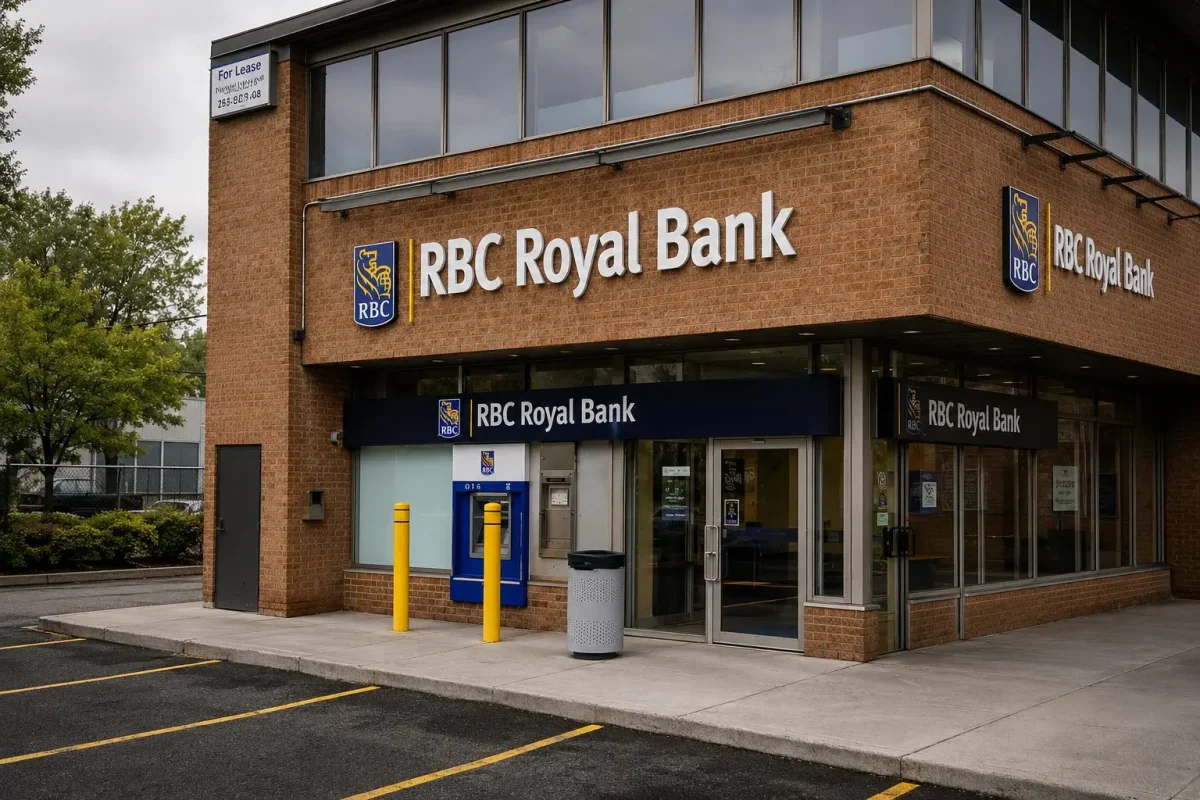
Royal Bank of Canada (RY) shares surged to a 52-week high of C$257.91 on Wednesday, closing at C$257.55, a gain of 1.99% for the session. The move came as Toronto stocks rebounded from two days of losses, with the S&P/TSX Composite Index climbing 0.9% to 34,067.18.
The rally was broad-based, with Canadian Imperial Bank of Commerce, National Bank of Canada, and Bank of Nova Scotia also posting gains. RBC's performance was particularly notable, as it outpaced the broader market.
Investor sentiment got a boost from Fitch Ratings, which upgraded RBC's legacy senior long-term debt rating to AA+ from AA on May 19. The short-term rating was affirmed at F1+. This upgrade covers older bank debt not included in Canada's "bail-in" regime, where certain debt can be converted to equity in a crisis. Higher ratings matter for banks because wholesale investors use them to price risk, especially in volatile bond markets.
Market participants are now focused on RBC's second-quarter results, due out on May 28 at 8:30 a.m. ET. As a bellwether for Canadian credit, mortgages, and wealth management, the bank's performance will be closely watched for signs of loan growth, net interest margins, and credit costs. The bank reported record first-quarter net income of C$5.8 billion in February, a 13% increase year-over-year, with adjusted diluted earnings per share of C$4.08, also up 13%. Its CET1 ratio stood at 13.7%.
CEO Dave McKay said RBC started fiscal 2026 from a "position of strength," citing a robust balance sheet and capital position. The bank returned C$3.3 billion to shareholders in the first quarter through buybacks and common dividends.
However, risks remain. The TSX had fallen to a two-week low the previous day as higher oil prices stoked inflation fears and pushed up long-term borrowing costs. "Oil remains expensive," said Michael Sprung, president of Treegrove Investment Management, noting that inflation expectations were "going higher." For RBC, a fresh bond selloff, weaker housing credit, or an increase in credit loss provisions in next week's earnings would be the most direct downside risks.
Despite these concerns, RBC is seen as a cleaner large-cap option in the Canadian financial sector. The stock's new high leaves little room for error, and investors will look to the May 28 earnings to see if the bank's capital position is sustainable without sacrificing growth.