Moscow, June 16, 2026 — Russian fuel markets face increasing strain as Tatneft, a major oil producer, implements temporary fuel purchase limits across its network of filling stations. The move follows a Ukrainian drone strike that damaged the largest refinery in the Moscow region, intensifying supply concerns that have already driven wholesale gasoline and diesel prices up by 10% in the first half of June.
Tatneft Imposes Purchase Caps
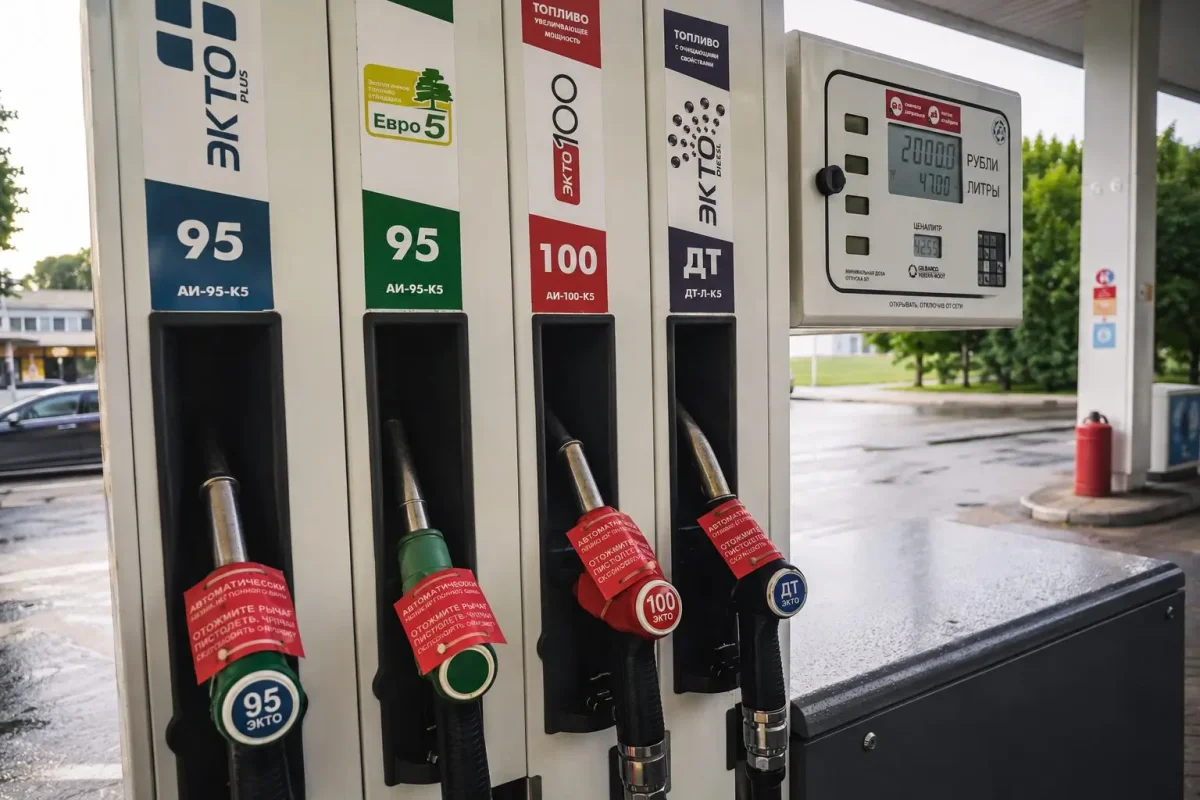
According to reports from Interfax, Tatneft has begun restricting gasoline and diesel sales at all of its petrol stations. The company's hotline confirmed to customers that these limitations are temporary, with only cash payments currently accepted. At one Tatneft station south of Moscow, gasoline purchases were capped at 20 liters per vehicle, while diesel was limited to 40 liters, as noted by Reuters.
Drone Strike Escalates Supply Pressure
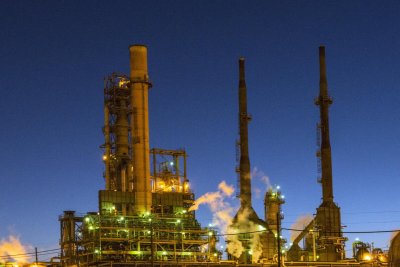
The supply disruption stems from a Ukrainian drone strike on Tuesday that hit the Gazprom Neft refinery, the largest such facility in the Moscow region. Local officials reported that emergency crews extinguished the fire and kept processing operations running, but the attack underscores Ukraine's evolving strategy of targeting critical energy infrastructure. President Zelenskiy described the strike, launched from 500 kilometers away, as a "just response to Russian strikes – and to the dragging out of a war that must be ended," according to Reuters.
Government Relaxes Fuel Quality Standards
In a bid to ease supply tightness, the Russian government has permitted some refineries to produce lower-grade fuel for the domestic market. Kommersant reported that select plants have been allowed to continue shipping gasoline and diesel with higher sulfur content and other pollutants. This regulation, initially implemented last autumn, was extended on May 1. Under the new rules, gasoline can contain up to 150 parts per million of sulfur, roughly 15 times the limits allowed in Europe, China, or India. Wholesale prices for AI-95 gasoline and diesel on the St. Petersburg International Mercantile Exchange rose 10% in early June, signaling mounting pressure on the market.
Targeting Hard-to-Replace Refinery Units
Ukraine's recent strikes have become more destructive by targeting refinery units that are difficult to replace, rather than simpler storage tanks or basic equipment. Data from Kpler, cited by RFE/RL, indicates that Russia's offline secondary processing capacity reached approximately 1.2 million to 1.3 million barrels per day in May. Hydrocracker outages alone hit 250,000 barrels per day, compared to 50,000–60,000 barrels per day last year. "Not all strikes are equal," said Tatiana Mitrova of Columbia University's Center on Global Energy Policy. She explained that Russia finds it harder to circumvent damage to specialized bottlenecks than to basic assets.
Widespread Impact Across Regions
Reports from Ukrainska Pravda, citing Meduza and Ksenia Sobchak's channel, indicate that Tatneft's restrictions are nationwide, with stations in Tatarstan, Moscow, and St. Petersburg capping purchases at 20 liters for AI-92 and AI-95 petrol and 40 liters for diesel. The report also noted limits at Rosneft and Lukoil stations in Moscow, as well as fuel shortages in Belgorod and Ryazan oblasts, Krasnodar Krai, and Russian-held Crimea.
Market Implications and Investor Risks
The combination of drone strikes, supply constraints, and rising wholesale prices poses significant risks for investors in Russian energy markets. The Kremlin faces the dual challenge of repairing damaged refinery capacity while maintaining fuel flows to prevent domestic shortages and potential public backlash. With wholesale prices already surging, the pressure on retail fuel costs could further strain consumers and heighten economic uncertainty. The situation remains fluid, with markets closely watching for any additional government measures to stabilize supply.