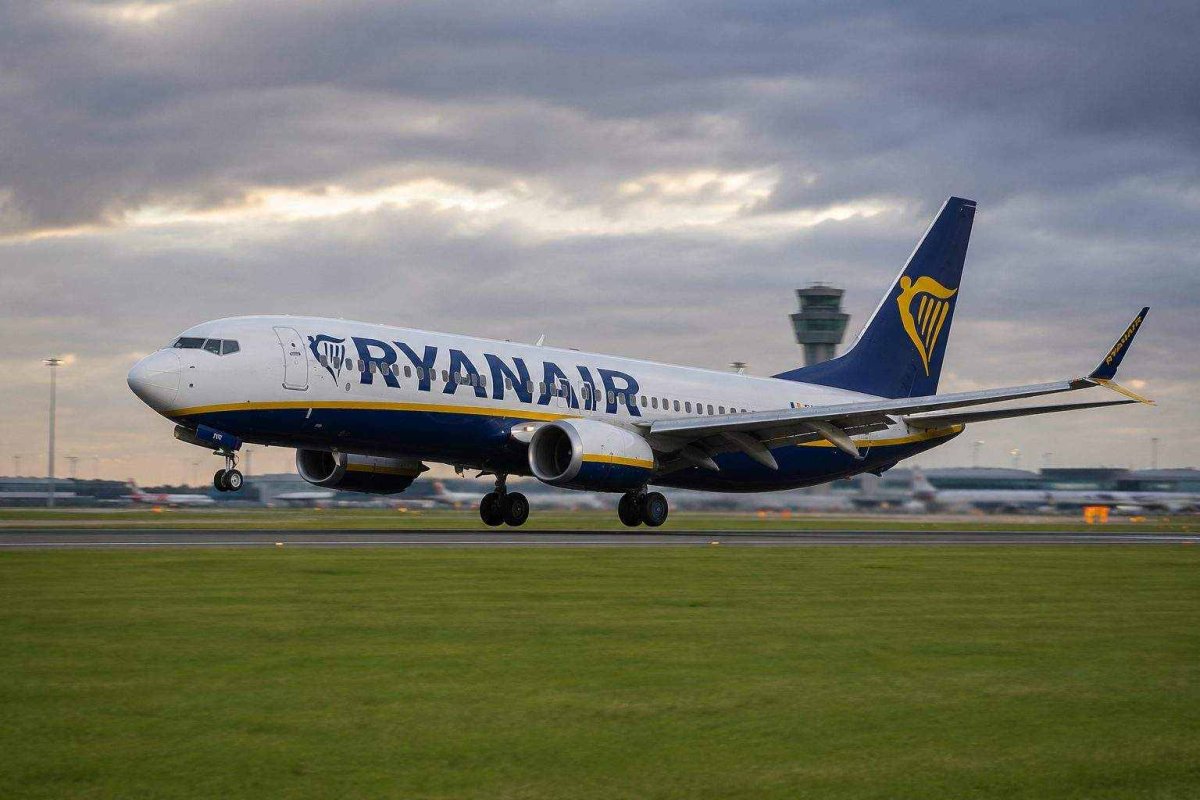
Ryanair has revised its outlook for peak summer fares, now expecting them to remain broadly flat, a shift from its earlier forecast of a modest increase. The airline cited a trend of later bookings and persistent fuel cost concerns as key factors behind the cautious stance.
Despite reporting a record full-year after-tax profit of €2.26 billion—up 40% before an exceptional charge—the company's shares dropped over 3% in Dublin trading. The stock fell 3.18% to €21.32, while its Nasdaq-listed shares declined 3.35% to $53.36.
Ryanair, a bellwether for low-cost leisure travel in Europe, now expects fares for April-June to decline by a mid-single-digit percentage, with July-September fares likely to be "broadly flat." This marks a more challenging environment for carriers seeking to offset rising fuel expenses.
Chief Financial Officer Neil Sorahan noted that while demand remains strong, travelers are booking closer to departure dates, making it harder to predict trends for the peak summer months. He warned that late bookers may face higher fares as capacity tightens.
On the fuel front, Ryanair has hedged approximately 80% of its jet-fuel requirements through March 2027 at around $67 a barrel, using fixed-price contracts. The remaining 20% remains exposed to market volatility. Spot prices surged above $150 a barrel following geopolitical tensions in the Middle East and prolonged closures in the Strait of Hormuz.
The airline expressed increasing confidence that jet-fuel supply issues will not materialize through mid-July, but it declined to issue a profit forecast for the year ending March 2027, citing ongoing volatility in fuel prices, wage inflation, maintenance costs, new environmental taxes, and risks related to the Middle East, Ukraine, and European air-traffic control disruptions.
Annual results showed revenue rose 11% to €15.54 billion, with passenger traffic up 4% to 208.4 million. Average fares increased 10% for the year to March, recovering from the previous year's decline.
The broader airline sector faces similar headwinds. Air France-KLM is reportedly facing a $2.4 billion increase in its fuel bill this year, while British Airways parent IAG has cut its annual profit outlook. EasyJet flagged an extra £25 million in fuel charges for March.
Ryanair's low-cost base and hedging strategy provide some pricing flexibility, but analysts remain cautious. Goodbody revised its profit estimate for the year to March 2027 down by 14% to €1.93 billion, citing expectations of a roughly 1% decline in average fares for the year.
Dan Coatsworth, head of markets at AJ Bell, commented that the market is too fragile for fare increases at this time, though carriers may be forced to raise prices if costs continue to climb. Meanwhile, Ryanair is nearing completion of negotiations to extend CEO Michael O'Leary's contract through 2032, with a new package that includes an option for 10 million shares, vesting only if profit or share price targets are met.