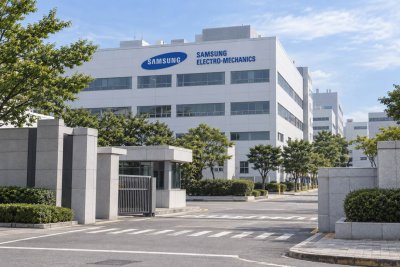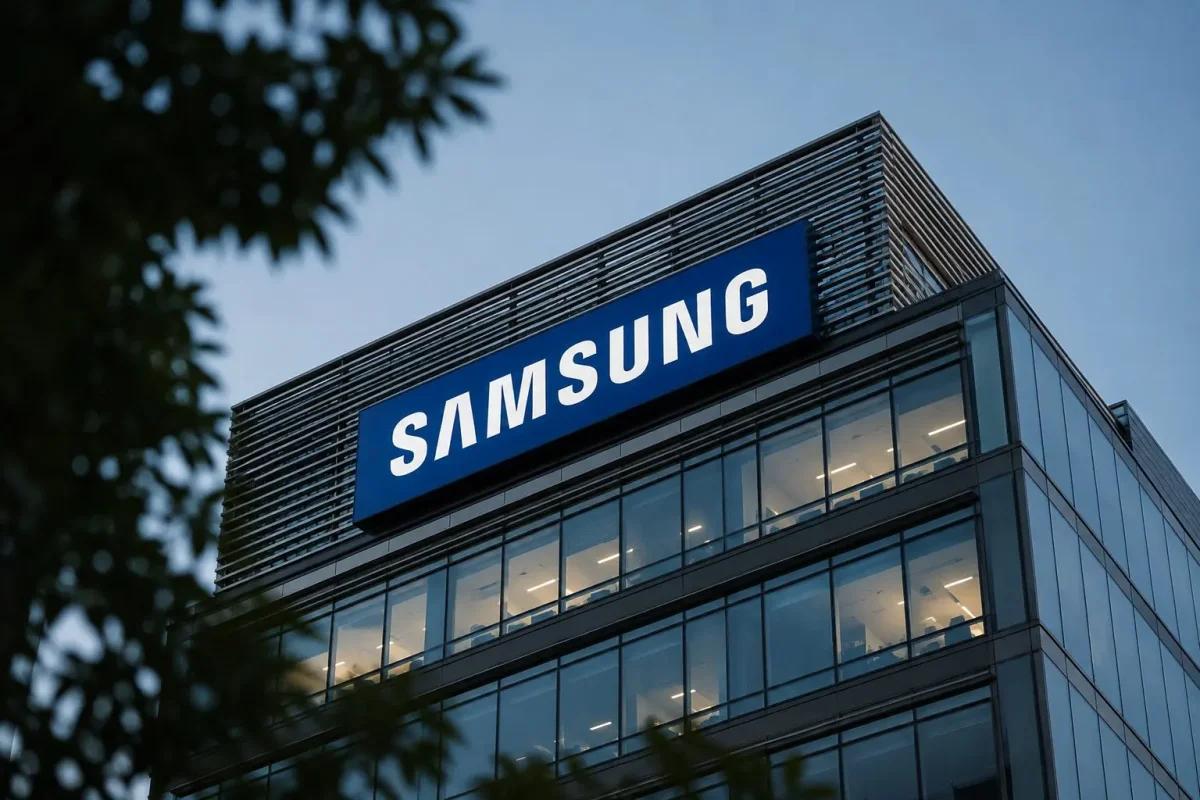
Samsung Electronics Co., Ltd. is entering a critical 48-hour window of government-mediated wage negotiations starting Monday, as the threat of an extended strike looms over the company's record-breaking financial performance. The union has set a May 21 deadline for a walkout that could last 18 days if no agreement is reached.
The South Korean tech giant recently reported its highest-ever first-quarter revenue of 133.9 trillion won, with operating profit reaching 57.2 trillion won. The Device Solutions segment, which includes its semiconductor business, contributed 53.7 trillion won to that profit, underscoring the company's reliance on chip sales amid the artificial intelligence boom.
At the heart of the dispute is the union's demand for a bonus pool tied to 15% of operating profit, along with the removal of the current bonus cap. According to market projections, operating profit could reach around 300 trillion won by 2026, which would translate to approximately 45 trillion won available for bonuses under the union's formula. The union chapter head, Choi Seung-ho, stated that without satisfactory results, they will proceed with a general strike without hesitation.
This labor unrest comes at a particularly sensitive time for Samsung. The company is aggressively expanding into the high-bandwidth memory (HBM) market, a segment critical for AI accelerators, where it currently trails rival SK Hynix. Any disruption in production could erode customer confidence and allow competitors to gain ground. Shareholder resistance is mounting, with the Korea Shareholder Activism Headquarters criticizing the proposed bonus structure as unprecedented among global chipmakers and threatening legal action against any settlement reached under strike pressure.
Internal tensions are also evident, with employees on the anonymous work app Blind urging union representatives to reach a deal. Comments such as 'take what we can and step back' and 'please just reach an agreement' reflect a workforce weary of the conflict. Board chairman Shin Je-yoon has intervened, sending a memo to staff expressing concerns about losing market leadership and calling for resolution through sincere dialogue.
Analysts are divided on the potential fallout. Citi Research's Peter Lee warns that Samsung might have to account for a full year of bonus provisions in just three quarters, creating a meaningful drag on earnings. Conversely, Daol Investment & Securities' Ko Young-min points to robust memory prices and long-term supply contracts as mitigating factors. The Seoul Economic Daily has described the current talks as the decisive moment before the strike deadline.
Despite the labor dispute, Samsung's shares have been surging, with its common-stock market cap recently surpassing $1 trillion, making it only the second Asian firm to achieve that milestone after TSMC. For investors, the immediate focus remains on whether Samsung can maintain its AI-chip momentum without being overshadowed by union headlines.