San Francisco International Airport experienced significant flight disruptions on July 2, 2026, as 368 delays and five cancellations were recorded by late afternoon. The Federal Aviation Administration implemented a traffic management program, holding inbound flights with an average delay of 42 minutes. This operational strain highlights ongoing capacity constraints at one of the nation's busiest airports.
Operational Details and Passenger Impact
Despite the high number of delays, security checkpoint wait times remained low. SFO reported general screening lines of 1-3 minutes and TSA PreCheck wait times of 1-4 minutes at 3:50 p.m., indicating that the congestion was airside rather than at passenger screening points. The delays, while numerous, did not lead to widespread cancellations, suggesting that flights are being completed but not on schedule.
FlightAware data showed 368 delays and five canceled flights on Thursday. The FAA's traffic management program targeted inbound flights, averaging 42 minutes of delay. SFO's own live tracker, updated every five minutes, logs any delay of at least 15 minutes, aligning with standard aviation metrics.
Investor Implications for United Airlines
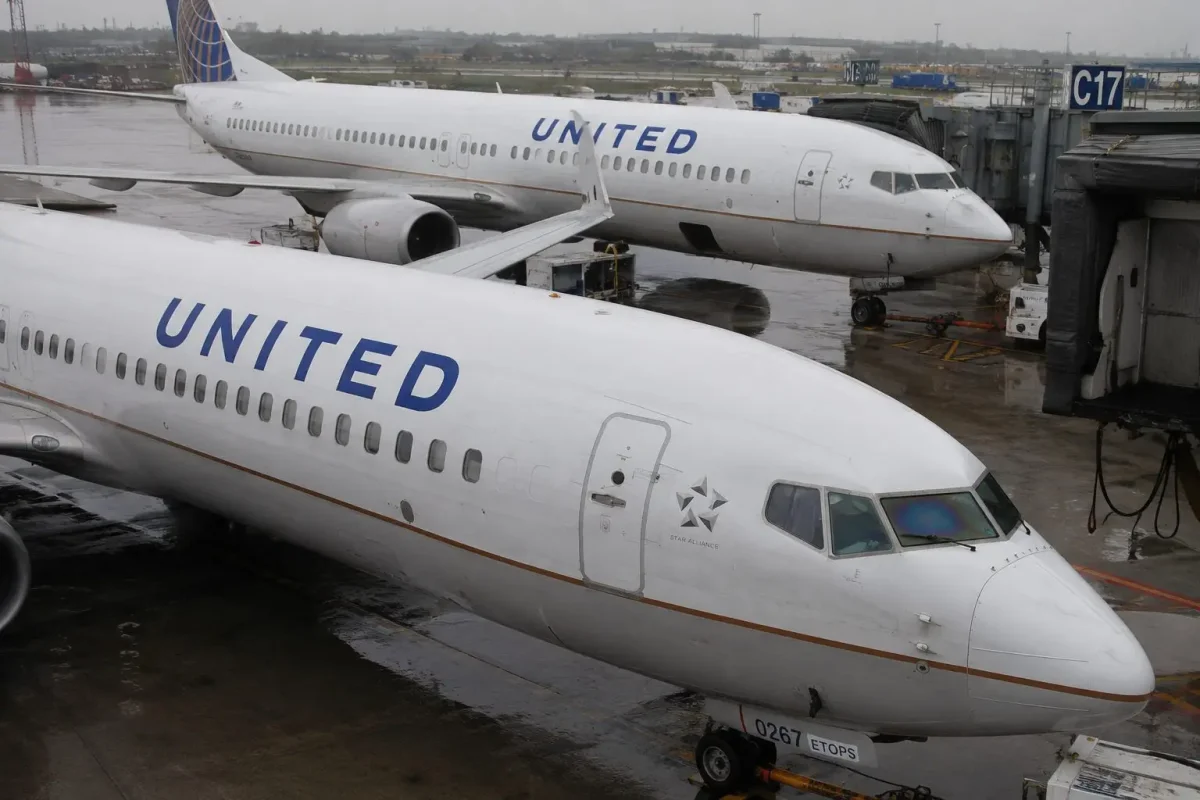
United Airlines Holdings (NASDAQ:UAL) carries the largest investor exposure to SFO's operations. According to SFO's bond filing, United and United Express accounted for 48.7% of the airport's enplanements in fiscal 2024-25 and contributed 25.5% of SFO's operating revenue. The delays can impact aircraft turnaround times, crew scheduling, and gate availability, potentially affecting United's operational efficiency and costs.
Other airlines with significant SFO presence include Alaska Air Group (NYSE:ALK) with 9.5% of enplanements and Delta Air Lines (NYSE:DAL) with 7.6%. However, United's dominant market share makes it the primary focus for investors monitoring SFO's performance.
Broader Context: FAA Capacity Reductions
The current disruptions are not solely weather-related. The FAA reduced SFO's arrival capacity from 54 to 36 flights per hour following a March order, as the airport undertakes runway reconstruction. The FAA also discontinued side-by-side approaches on parallel runways—spaced just 750 feet apart—deeming them too dangerous in the busy Bay Area airspace, according to FAA spokesman Ian Gregor.
SFO closed Runway 1 Right on March 30 for a project expected to run through October 2. Claudia Luquin, SFO's director of project management, described the work as fast-paced and highly sensitive at an airport commission meeting. These structural changes are likely to continue affecting flight schedules throughout the summer.
Market Reaction and Stock Performance
U.S. equity markets closed before the full impact of the delays could be priced in. United Airlines stock traded at $133.32, down 1.3% in after-hours trading. Alaska Air was at $51.09, off 0.3%, and Delta at $92.75, also down 0.3%. The delays add to existing headwinds for airlines, including rising fuel costs and labor shortages.
Investors should watch for any operational metrics from United Airlines in upcoming earnings reports, as persistent delays could signal higher costs or reduced customer satisfaction. The broader airline sector may face similar challenges at other congested airports.