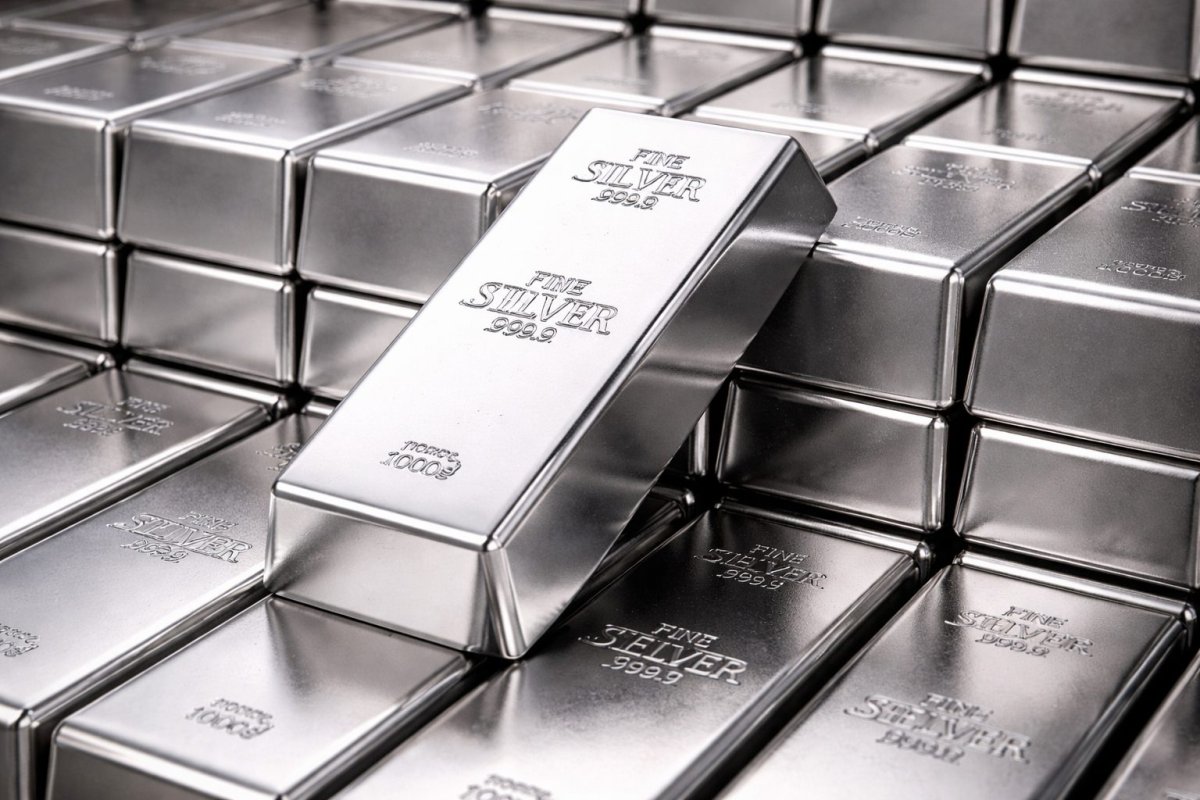
Silver prices retreated on Tuesday, surrendering a portion of the previous session's sharp gains as the U.S. dollar strengthened and investor sentiment tilted toward riskier assets like equities. The spot price for the white metal declined 1.4% to $82.20 per ounce by 0900 GMT, reversing a nearly 7% surge from Monday. This price action underscores the metal's acute sensitivity to currency fluctuations and shifting expectations for U.S. monetary policy.
Market Catalysts and Data Focus
The immediate driver for the pullback was a firmer U.S. dollar, which makes dollar-denominated commodities like silver more expensive for holders of other currencies, thereby dampening demand. Concurrently, a rally in equity markets drew capital away from non-yielding precious metals. The market's attention is now squarely fixed on two critical U.S. economic releases scheduled for later this week: the nonfarm payrolls report on Wednesday, February 11, and the Consumer Price Index (CPI) inflation data on Friday, February 13. These figures are pivotal as they will heavily influence the Federal Reserve's interest rate trajectory.
Analysts note that silver has exhibited significant volatility since late January, behaving as a momentum-driven asset that has shaken out many speculative positions. The upcoming data presents a clear binary risk. Strong employment or hotter-than-expected inflation could bolster the dollar and push out expectations for interest rate cuts, applying further pressure on silver. Since the metal offers no yield, higher real returns on competing assets like Treasury bonds diminish its appeal. Conversely, weak data could reignite speculation about imminent Fed easing, potentially weakening the dollar and catalyzing another rally for silver.
ETF and Futures Market Reaction
The sentiment shift was evident in related financial instruments. The iShares Silver Trust ETF (SLV), a popular vehicle for gaining silver exposure, traded lower in premarket activity. According to data from Investing.com, the ETF was quoted around $74.62 premarket, down from its prior session close of $76.04. This move highlights how quickly sentiment can pivot even in heavily traded silver proxies.
In the Indian market, a major physical consumer, MCX silver futures also traded lower on Tuesday morning. Analysts like Jigar Trivedi of IndusInd Securities identified a near-term technical support level for domestic prices near ₹2,58,000 per kilogram, with local traders largely awaiting directional cues from the impending U.S. macroeconomic data.
Analyst Perspective and Technical Outlook
Market observers remain cautious about silver's medium-term trajectory. Kelvin Wong, a senior market analyst at OANDA, suggested in a recent analysis that unless silver can decisively break above the $92.24 resistance level, a sustained uptrend is not yet confirmed. He attributed Monday's rebound primarily to a temporary softening in the U.S. dollar, which spurred some bargain-hunting activity.
Silver occupies a unique and often contradictory position in the markets, caught between its historical role as a store of value during times of uncertainty and its significant industrial demand profile. This duality means its price can be pulled in opposing directions: safe-haven flows can support it during risk-off periods, while strong economic growth that boosts industrial demand can also be accompanied by rising interest rates that act as a headwind. The current environment, where equity markets are rallying and rate expectations are in flux, creates a particularly murky backdrop for silver's price action.
Ultimately, the metal's near-term fate appears tethered to the dollar's path, which itself hinges on the upcoming economic data. Traders are positioned to react swiftly to any surprises. A dollar-negative outcome from the jobs or inflation reports could provide the catalyst for silver's next leg higher, while data supporting a "higher-for-longer" Fed rate stance could extend the current period of pressure on the metal.