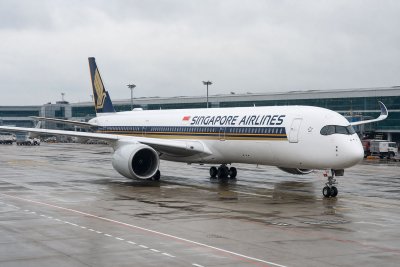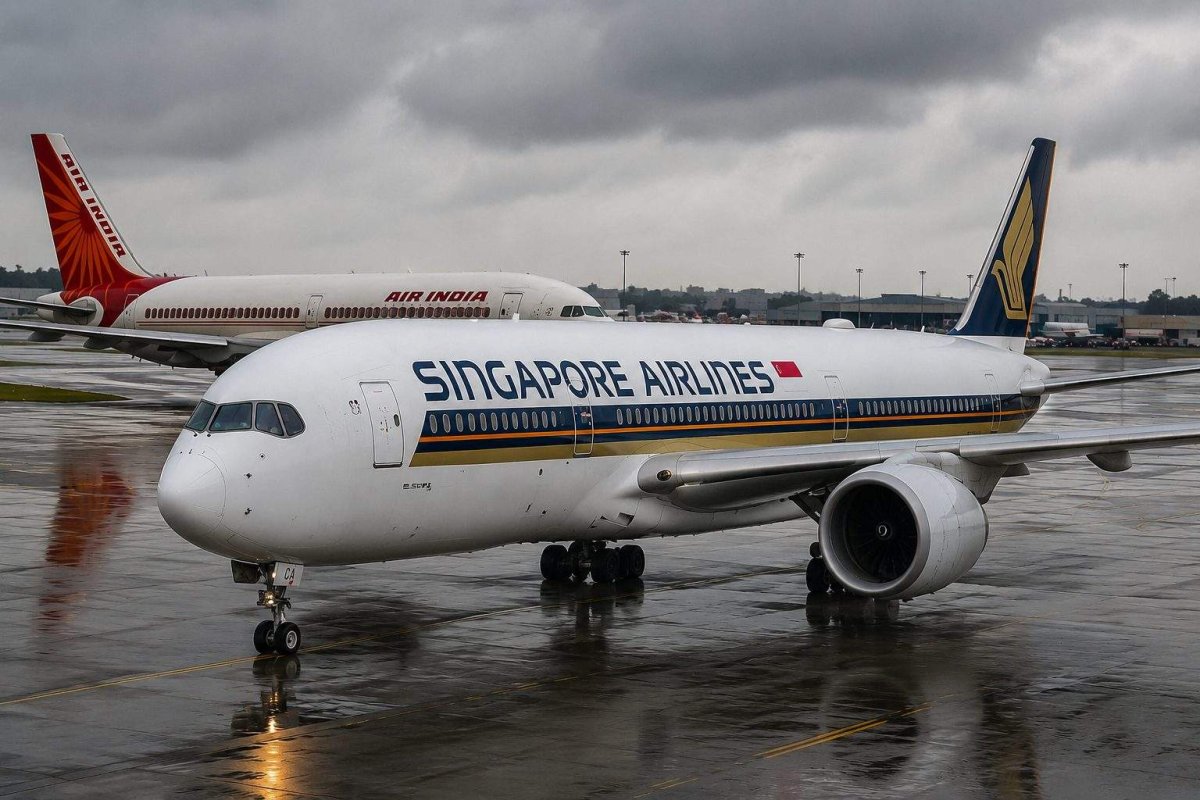
Singapore Airlines (SIA) reported a sharp 57.4% decline in net profit to S$1.18 billion for the fiscal year ended March 31, even as revenue climbed to a record S$20.52 billion. The drop was driven by substantial losses from its investment in Air India and the absence of a one-time gain that boosted prior-year results.
Key Financial Highlights
Operating profit rose 39% to S$2.38 billion, while passenger numbers hit an all-time high of 42.4 million across SIA and its budget arm Scoot. However, the bottom line was heavily impacted by a S$945.2 million share of Air India's losses, which stemmed from a comprehensive loss of S$3.56 billion at the Indian carrier. Additionally, the previous year included a S$1.10 billion non-cash gain from the Air India-Vistara merger, which did not recur.
Fuel Cost Headwinds
The airline warned that higher jet fuel prices will weigh on results in FY2026/27. While the impact partly emerged in March, the full effect is expected to materialize in the coming year. Jet fuel prices have surged, with FOB Singapore jet fuel/kerosene averaging $200.42 per barrel in April, more than double the February average of $89.03. As of May 14, the price stood at $151.92 per barrel.
Management noted that fare increases at both SIA and Scoot have not kept pace with rising costs, leading to expected margin compression. DBS analyst Tabitha Foo warned of "meaningful margin compression ahead," as passenger yield strength may not fully offset fuel expenses.
Air India Investment Under Scrutiny
CEO Goh Choon Phong defended the Air India investment, calling India a market with "tremendous potential" and describing the turnaround as a "long game." Challenges include supply chain delays, the Middle East crisis, Pakistan's airspace closure for Indian airlines, the AI171 crash, and a weaker rupee. Auditor KPMG flagged "indicators of impairment" on the investment but no write-down was made.
DBS analyst Jason Sum estimates Air India could continue to weigh on SIA's earnings for two to three years. Goh stated that any fresh capital injection would require discussions with other shareholders.
Capacity Expansion Amid Competitor Cuts
Despite industry headwinds, SIA is boosting capacity on select routes, including flights to London Gatwick, Manchester, Milan, and Munich, with Madrid via Barcelona launching in October. Chief Commercial Officer Lee Lik Hsin cited the carrier's financial flexibility, noting S$7.9 billion in cash, S$1.7 billion in long-term deposits, and S$3.3 billion in undrawn credit lines. This contrasts with competitors like Cathay Pacific and Qantas, which have trimmed capacity due to fuel costs.
SIA has cut or deferred some Middle East routes but is eyeing demand for routes avoiding Gulf hubs.
Outlook and Risks
The airline faces a dual risk: sustained high fuel prices and a prolonged turnaround at Air India. DBS warns of margin compression, while SIA's stock closed at S$6.42 on Friday, up 2.39%. Investors will react to these developments when trading resumes on Monday.