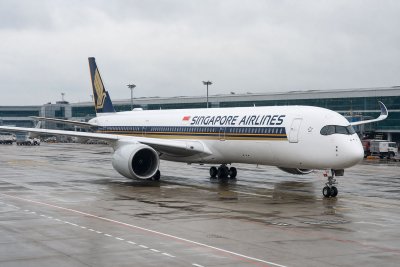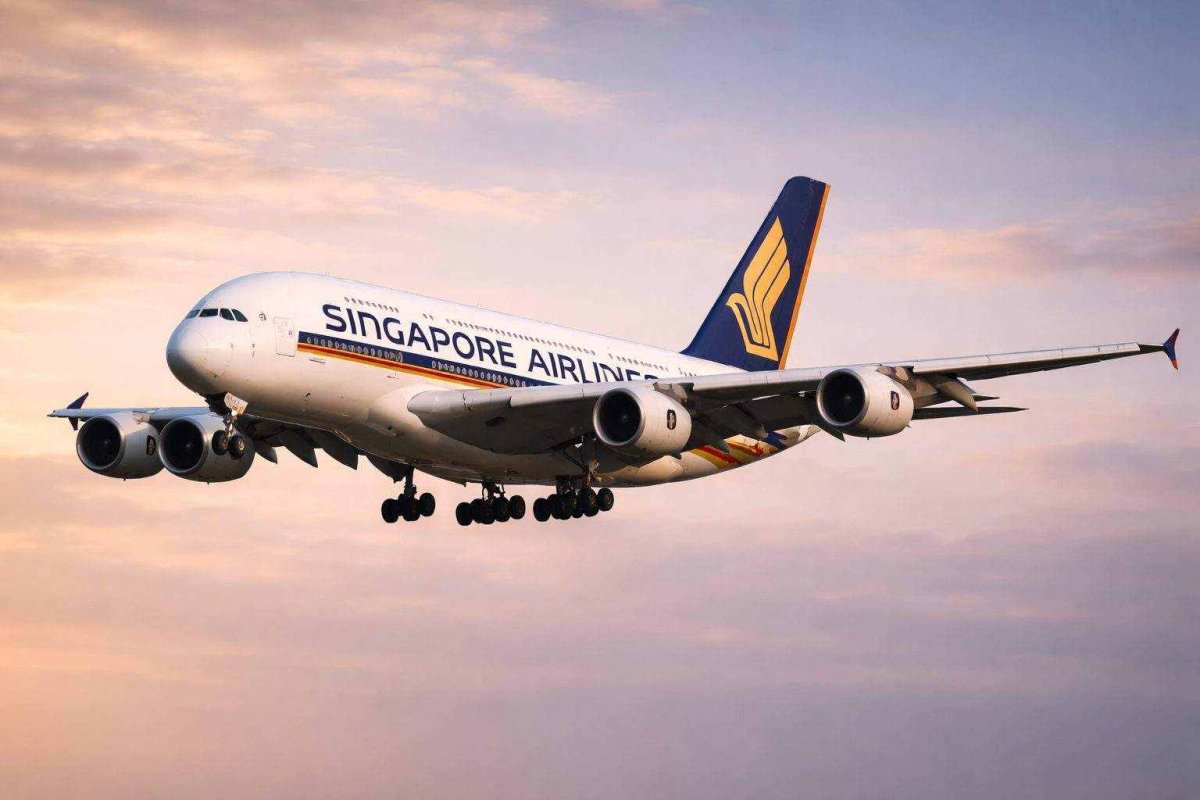
Shares of Singapore Airlines Ltd (SGX:C6L) experienced a slight decline during Tuesday's trading session, shedding 0.3% to S$6.78 by the mid-afternoon period. Trading volume reached approximately 3.5 million shares as the stock fluctuated between S$6.72 and S$6.85. This movement occurred against a backdrop of broader market softness, with Singapore's benchmark Straits Times Index retreating 0.1%.
Market Anticipation Builds Ahead of Key Update
Investor attention is increasingly focused on the forthcoming business update scheduled for February 24. The airline is set to release its third-quarter financial results for the fiscal year 2025/26 after the market closes, according to a filing with the Singapore Exchange. This update is expected to provide crucial insights into current demand trends, unit cost developments, and the ongoing financial impact of the company's 25.1% strategic stake in Air India.
The upcoming report holds particular significance as Singapore Airlines is widely regarded as a bellwether for regional travel demand. Historically, the carrier's stock has demonstrated sensitivity to revisions in its operational guidance and cost projections. The previous earnings release in November revealed a challenging environment, with first-half profit plunging 68% year-over-year. Management attributed this sharp decline to substantial losses from the Air India investment, rising operational expenses, and intensified competitive pressures within the aviation sector.
Fuel Cost Dynamics and External Pressures
Jet fuel expenses, a major component of airline operating costs, remain a persistent concern. Oil markets exhibited volatility on Tuesday, with prices easing following a warning from the United States government advising commercial vessels to avoid Iranian waters near the strategic Strait of Hormuz. This vital maritime chokepoint handles a significant portion of global crude shipments. Analysts note that geopolitical tensions in the region continue to inject a modest risk premium into energy markets, contributing to uncertainty for fuel-intensive industries like aviation.
Tony Sycamore, an analyst at IG, commented on the situation, indicating that lingering geopolitical uncertainty has maintained a degree of pricing pressure. For airlines, even minor fluctuations in crude oil benchmarks can directly influence profitability, given that fuel constitutes one of their largest variable costs. Furthermore, passenger yield—the average revenue earned per passenger per kilometer—remains a critical metric. A slight contraction in yields, as noted by Morningstar analyst Lorraine Tan following the November results, can significantly alter profit forecasts. Tan observed that much of the recent profit decline stemmed from yields normalizing from their elevated post-pandemic peaks.
Tuesday's trading activity appeared driven more by position adjustments and broader market sentiment than by new company-specific developments. Traders monitored the interplay between oil price movements, overall risk appetite, and the evolving narrative surrounding global travel recovery. The stock had closed the previous session, Monday, at S$6.80, marking a gain of roughly 1.5% for that day, with intraday pricing data indicating it reached a high of S$6.85.
Strategic Stake and Forward Outlook
The Air India investment continues to represent a notable overhang for Singapore Airlines. The stake, while strategic, has proven financially burdensome, contributing directly to the steep profit contraction reported last quarter. Investors will scrutinize the February 24 update for any signs of improvement or further challenges related to this holding. The broader risks facing the airline are well-understood by the market: potential spikes in fuel costs, competitive pressures on fares, and the financial drag from its associate investment.
As the session progressed, market participants seemed to be calibrating their expectations ahead of the pivotal business update. The combination of external macro factors—from oil market gyrations to regional geopolitical alerts—and internal company-specific challenges creates a complex investment landscape for Singapore Airlines. The forthcoming data on demand, costs, and the Air India venture will provide a clearer picture of whether the airline is navigating these headwinds effectively or if further turbulence lies ahead for its financial performance.