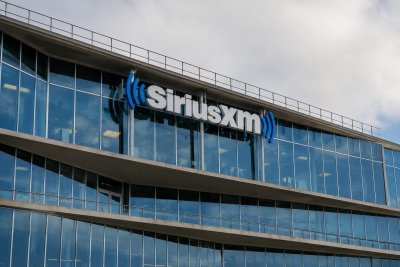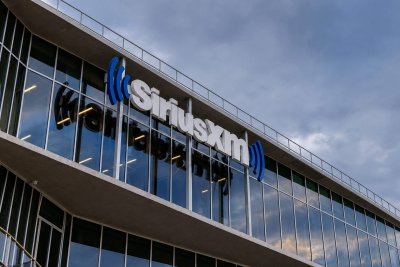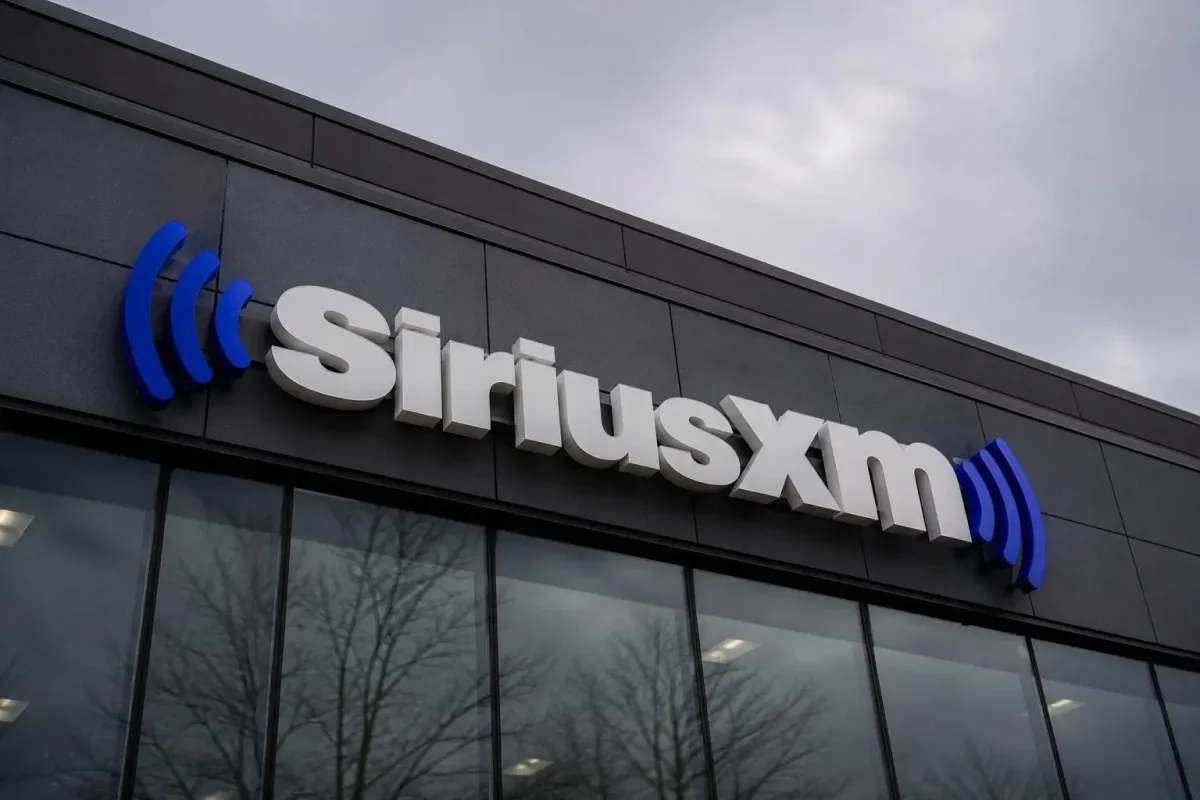
Sirius XM Radio Inc. finds itself in a legal dispute over its corporate branding, as Screendollars LLC filed a trademark infringement lawsuit in Massachusetts federal court on July 6. The suit claims that SiriusXM's updated logo, introduced in 2023 and featuring a star inside the letter 'S', closely resembles Screendollars' own registered trademark, which has been in continuous use since 2022.
The legal action comes at a pivotal time for SiriusXM Holdings Inc. (NASDAQ: SIRI). The stock hit a 52-week high of $31.42 on Tuesday before retreating to close at $30.26 on Wednesday, a decline of 1.47%. The company is scheduled to report its second-quarter 2026 operating and financial results on July 30, with a conference call set for 8:00 a.m. Eastern Time.
According to the complaint, filed in the U.S. District Court for the District of Massachusetts and assigned to Judge Patti B. Saris, Screendollars alleges that SiriusXM's logo infringes on its federally registered mark, which was approved by the U.S. Patent and Trademark Office on December 24, 2024. The smaller media company claims that the similarity could cause consumer confusion about the source of goods or services, particularly given SiriusXM's widespread use of the logo across its website, mobile app, social media channels, and Apple CarPlay integration.
Screendollars is seeking a permanent injunction barring SiriusXM from using the contested logo, along with disgorgement of profits, monetary damages, cancellation of SiriusXM's trademark filings, and attorneys' fees. The lawsuit invokes the Lanham Act as well as state laws in Massachusetts, New York, and California. As of press time, neither SiriusXM nor Screendollars had issued public statements regarding the litigation.
While the trademark dispute adds a layer of uncertainty, the core investment thesis for SiriusXM remains centered on its operational performance. The company reported first-quarter 2026 revenue of $2.09 billion, up 1% year-over-year, with net income climbing 20% to $245 million. Free cash flow surged to $171 million, more than tripling from the prior-year period, as management maintained tight control over costs and capital expenditures. CEO Jennifer Witz described the quarter as a 'strong start in 2026,' while CFO Zac Coughlin highlighted 'solid progress' on cost reduction and debt management.
Despite these financial metrics, SiriusXM faces ongoing challenges, including sluggish subscriber growth and intensifying competition from rivals in the automotive, podcast, and streaming audio sectors. The company's platform, which includes SiriusXM, Pandora, and podcast services, reaches approximately 255 million monthly listeners. However, investors continue to weigh the company's robust cash flow against these headwinds.
The legal case's outcome could have financial implications for SiriusXM, ranging from legal costs and potential damages to a forced logo redesign if Screendollars secures early injunctive relief. Conversely, if the court finds that consumer confusion is unlikely, the lawsuit may fade into the background. The greater risk for shareholders, however, likely remains on the operational front—specifically, trends in subscriber numbers, automotive market conditions, and competitive moves from Spotify and YouTube's audio platforms.
Wall Street appears cautious. According to FactSet consensus data cited by The Wall Street Journal, analysts rate SiriusXM shares as 'Hold,' with an average price target of $27.62—below the current trading level. The Motley Fool recently compared SiriusXM with Roku, positioning the satellite radio firm as the value option given its dividend yield and cash generation, while Roku, following Fox's $22 billion acquisition announcement last month, is viewed as having more upside from M&A in the connected TV space.
As the July 30 earnings date approaches, investors will be watching closely for any updates on the lawsuit and, more importantly, for signs of stabilization in subscriber metrics and competitive positioning. The trademark case may ultimately prove to be a sideshow, but it adds an extra dimension of risk to an already closely watched story.