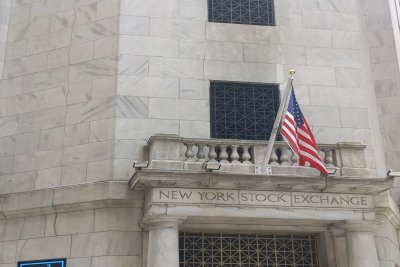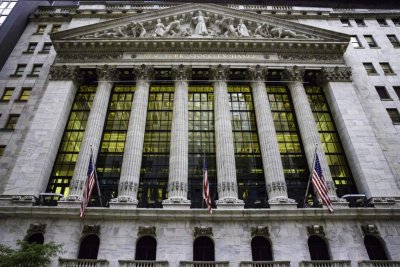
SoFi Technologies Inc. experienced a sharp decline in Friday's trading session, with shares closing down 7% at $17.76. The fintech stock reached an intraday low of $17.31 before settling near that level in after-hours trading at approximately $17.69. This downward movement reflects broader pressure on financial and technology stocks as investors reassess risk appetite amid shifting macroeconomic conditions.
Market Context and Inflation Concerns
The sell-off coincided with the release of economic data that showed inflation running hotter than anticipated. A stronger-than-expected Producer Price Index reading fueled concerns that interest rate cuts from the Federal Reserve may not materialize in the near term. Financial stocks broadly retreated as these developments prompted a risk-off sentiment across Wall Street. According to CME Group's FedWatch tool, traders now assign approximately a 94% probability that the central bank will maintain current rates at its March 17-18 policy meeting.
Ryan Detrick, chief market strategist at Carson Group, noted that "there are still some cracks out there" in the economic landscape. The market's cautious stance was further compounded by geopolitical tensions, artificial intelligence valuation questions, and tariff risks. Additional pressure came from news of potential losses tied to the collapse of UK mortgage lender Market Financial Solutions, which weighed on financial sector sentiment.
SoFi as a Bellwether
SoFi's performance has increasingly served as an indicator for two key investor concerns: consumer credit health and the trajectory of U.S. interest rates. As a provider of personal loans and online banking services, the company is particularly sensitive to shifts in risk sentiment. When markets grow anxious about tighter lending standards or the prospect of "higher for longer" interest rates, shares of consumer lenders like SoFi often face pressure—even in the absence of company-specific news.
The timing of the decline near month-end may have been exacerbated by portfolio rebalancing activities. High-beta financial stocks typically bear the brunt of such adjustments during risk-off periods. SoFi last provided a comprehensive business update in late January, reporting higher fourth-quarter profit driven by loan demand and increased fee-based revenue. During that update, CEO Anthony Noto suggested that proposed caps on credit card interest rates could create "a massive gap" in the lending market, potentially steering more borrowers toward personal loan products.
Key Data Points Ahead
Market participants are now closely monitoring several upcoming economic releases and events that could determine the near-term direction for rate-sensitive stocks:
- February Jobs Report (March 6): The U.S. Bureau of Labor Statistics will release employment data that could significantly alter interest rate expectations. Strong job gains might reinforce the case for maintaining higher rates, while weaker numbers could revive hopes for monetary policy easing.
- Federal Reserve Meeting (March 17-18): The central bank's policy decision and accompanying commentary will provide critical guidance on the future path of interest rates. For lenders and fintech companies, this represents a pivotal macroeconomic event.
Traders are watching to see whether Friday's decline represents a sustained break or if dip-buyers will emerge when markets reopen. The persistence of pressure on credit-sensitive names will largely depend on whether hopes for rate cuts continue to dim in response to incoming economic data.
Risk Factors for SoFi Investors
The primary risk for SoFi bulls remains straightforward: should job growth decelerate more rapidly than expected or if loan delinquencies begin to tick higher, lenders may implement stricter credit standards. Such developments could constrain loan growth and increase credit costs, directly impacting profitability. The company's performance is intrinsically linked to consumer financial health and borrowing capacity, both of which are influenced by employment conditions and interest rate levels.
As markets enter the new week with a risk-off sentiment prevailing, all eyes will remain on the March 6 jobs report as the next potential catalyst for rate expectations. The ripple effects from this data release will likely extend across consumer lenders and fintech names, with SoFi positioned at the intersection of these sensitive market segments.