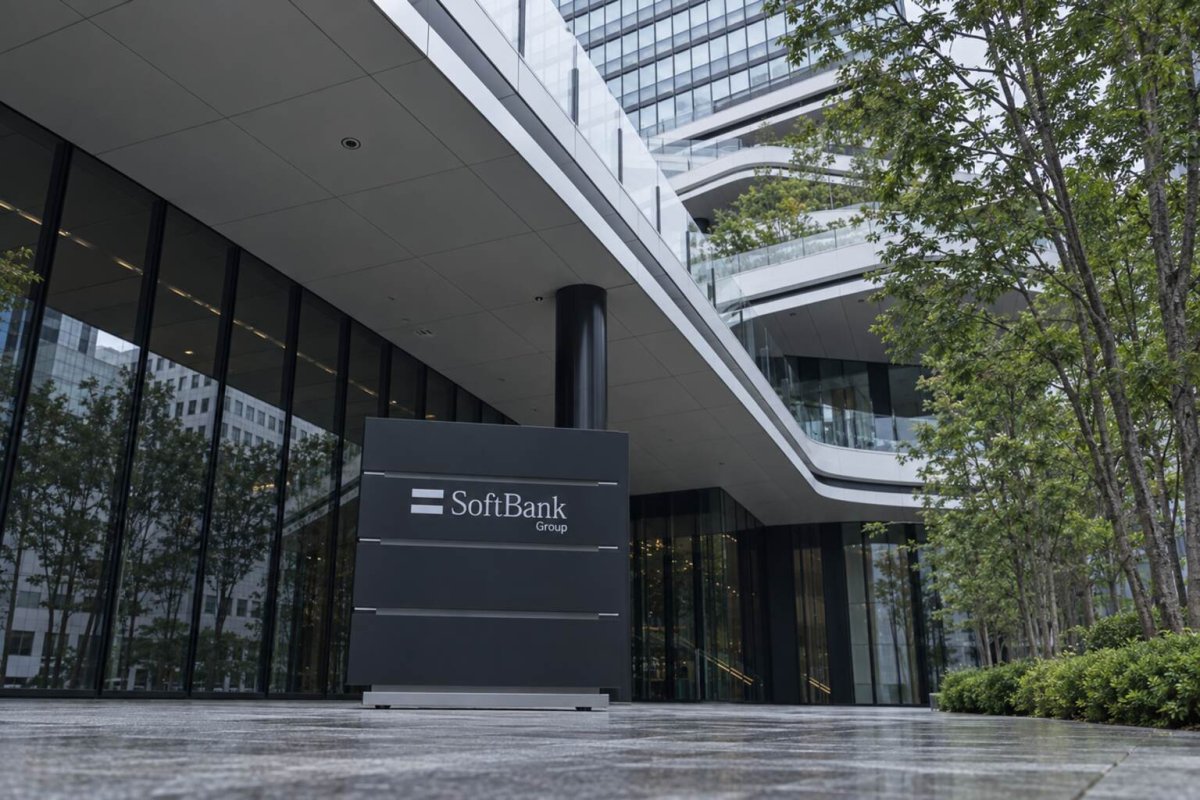
SoftBank Group Corp. (TYO:9984) has initiated a substantial debt offering, launching $10 billion in dollar-denominated notes and €1 billion in euro notes on Monday. The move is designed to finance the conglomerate's ongoing commitment to OpenAI, the artificial intelligence research organization. The sale, which was announced while Tokyo markets were closed for a public holiday, represents a significant transfer of a private-equity-style bet into the public credit markets.
The bond sale, which is set to price on September 24 and settle on September 29, according to a term sheet reported by Reuters, will establish a visible carrying cost for SoftBank's largest unlisted holding. The company's third $10 billion tranche to OpenAI is scheduled for October 1, adding to a total commitment of $64.6 billion. The dollar notes are structured across three maturities: 3.5, 5.5, and 7.5 years, while the euro notes span four and six years. Citigroup and JPMorgan are leading the sale.
Investors have been anticipating this move since August, when SoftBank first signaled its intention to raise capital through foreign-currency debt. The company's shares closed Friday at ¥6,315, up 1.09%, with volume reaching 90.29 million shares, 31% above the four-session average. However, this uptick occurred before the bond launch and cannot be attributed to the new terms.
The financing is part of SoftBank's broader strategy to fund its aggressive push into artificial intelligence. The October payment to OpenAI is estimated at ¥1.56 trillion, based on SoftBank's disclosed conversion rate of ¥155.81 per dollar, representing roughly 2.2% of the company's net asset value as of June 30. At that time, SoftBank reported ¥72.30 trillion in net asset value, with holdings worth ¥83.11 trillion against ¥10.81 trillion of net debt. Its loan-to-value ratio stood at 13.0%.
Credit Ratings and Market Sentiment
The funding cost is a critical question for SoftBank. Fitch and S&P rate its long-term bonds at BB+, while JCR assigns an A rating, reflecting a divergence in views on the company's creditworthiness. These ratings were current as of September 11. The company's balance-sheet capacity is a key counterargument to concerns: SoftBank targets a loan-to-value ratio below 25% in normal markets and holds two years of bond redemptions in cash. Replacing bridge debt with longer-term notes could reduce refinancing pressure.
Broker recommendations remain optimistic, with targets implying upside of 26.7% to 52.2% from the September 18 close. Macquarie has a Buy rating with a target of ¥8,850, Nomura/Instinet a Buy with ¥9,610, and Deutsche Bank a Buy with ¥8,000. However, these targets predate the bond pricing and may not fully reflect the new debt's implications.
September 24: A Key Test
The pricing on September 24 will provide the first hard verdict on how creditors view SoftBank's OpenAI exposure. Weak demand could force costly coupons, while a lower valuation of OpenAI would shrink SoftBank's asset cushion before the debt falls due. The deal's success will signal whether investors see the AI bet as a valuable asset or a concentration risk. As SoftBank navigates this significant financing, the market will be watching closely for signals about its future direction.
