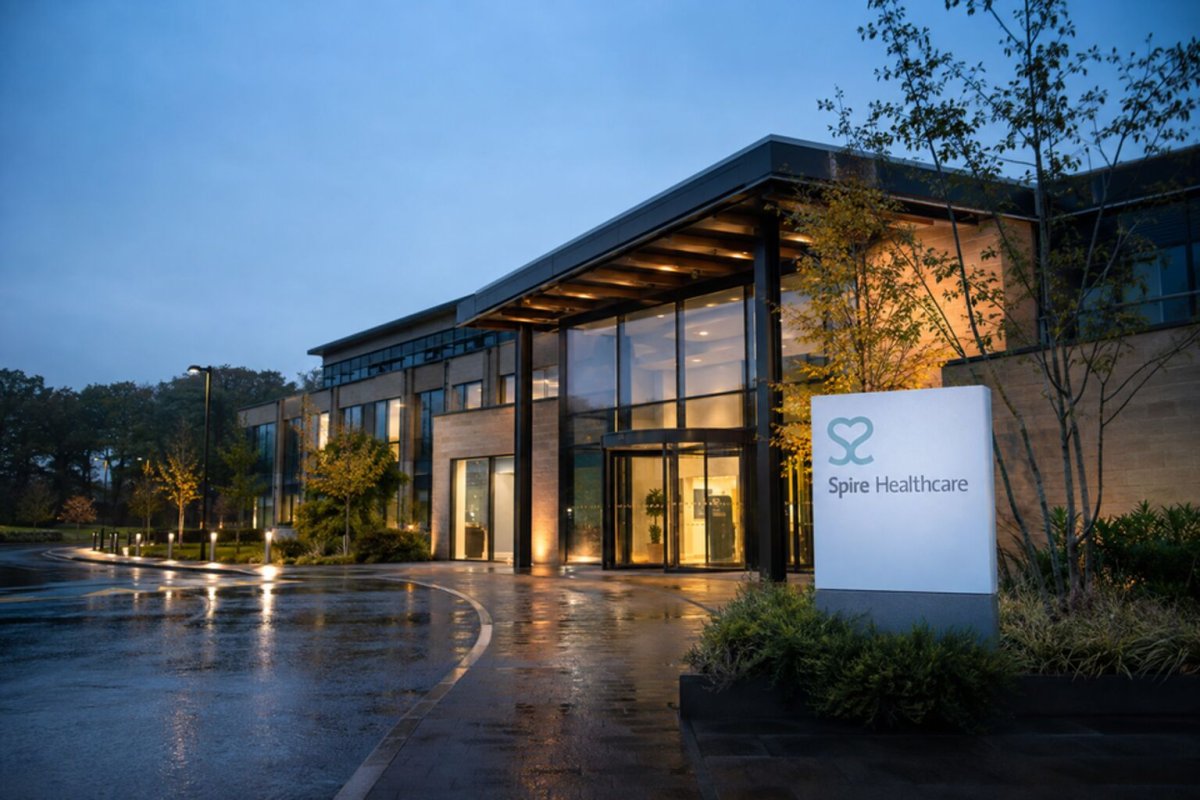
Spire Healthcare Group (LON:SPI) has agreed to a 250-pence per share cash takeover, a deal that values the private hospital operator at approximately £1.026 billion ($1.39 billion). The consortium behind the offer, comprising funds managed by Toscafund, Three Hills, and Ares, emerged as the winning bidder after a strategic review. Shareholders who bought at Friday's close of 238 pence stand to gain a 5.0% gross return if the transaction completes on those terms.
The 12-pence gap between the offer price and the last traded price is not risk-free money. Five years ago, a similar 250-pence bid from Ramsay Health Care was rejected by Spire shareholders, with only 72.07% of votes cast in favor, falling short of the 75% threshold required for approval. That historical precedent serves as a cautionary tale for investors eyeing the current spread.
This time, however, the dynamics are different. According to a Reuters report on Saturday's agreement, holders of 53.4% of Spire's shares have already pledged their support. While this reduces some uncertainty, it does not guarantee final approval. The voting base in 2021 was an actual court-meeting result, whereas the 53.4% figure represents initial support, which could fluctuate as the scheme vote approaches.
The offer price represents a 66% premium to Spire's market capitalization on May 13, the day before the approach became public. This substantial premium makes outright price resistance less likely, yet the initial backing remains below the level that failed in 2021. The comparison is useful, but not a replay; Spire's earnings, ownership, and financing backdrop have all changed since then, and a 250-pence payment in 2026 is worth less in real terms than the same nominal figure in 2021.
Spire's financial performance provides context for the takeover. The company's 2025 full-year results showed revenue rising 4.5% to £1.58 billion, with adjusted EBITDA up 3.3% to £268.6 million. Adjusted free cash flow climbed 64.9% to £64.3 million, reflecting strong cash generation. However, statutory profit before tax fell 51.4% to £18.6 million, highlighting the pressure from wage inflation, hospital costs, and shifts in NHS commissioning. Spire operates 38 hospitals and more than 55 clinics, so even small margin changes can have significant impacts across its large estate.
The board, led by chair-designate Debbie White, described the 250-pence offer as the highest proposal received during its strategic review. White emphasized that the acquisition represents the best available outcome for shareholders, citing a volatile sector and material wage and national-insurance pressures. The weak statutory profit underscores what the headline premium does not: the operator faces ongoing operational challenges.
Investors also face a near-term information gap. Spire has moved its half-year results from September 9 to a date no later than September 30, meaning fresh operating numbers may not be available before early deal decisions are made. This adds another layer of uncertainty to an already complex situation.
When London markets reopen on Monday, the first trade will provide a clear signal of market confidence. A quote near 250 pence would suggest high confidence in completion, while a stubbornly wide discount would indicate that investors want more certainty on votes, timetable, or conditions. Until then, the 5.0% spread represents an opportunity with a warning label, not a forecast.
Risks remain: a scheme vote, court approval, and other closing conditions can still delay or defeat the transaction. A break would expose the shares to stand-alone trading, and while a competing bid could lift the payoff, the board's "highest proposal" language gives no evidence that one is coming. The cleanest signal will arrive with Monday's opening trade, pricing the market's confidence in this deal's completion.
