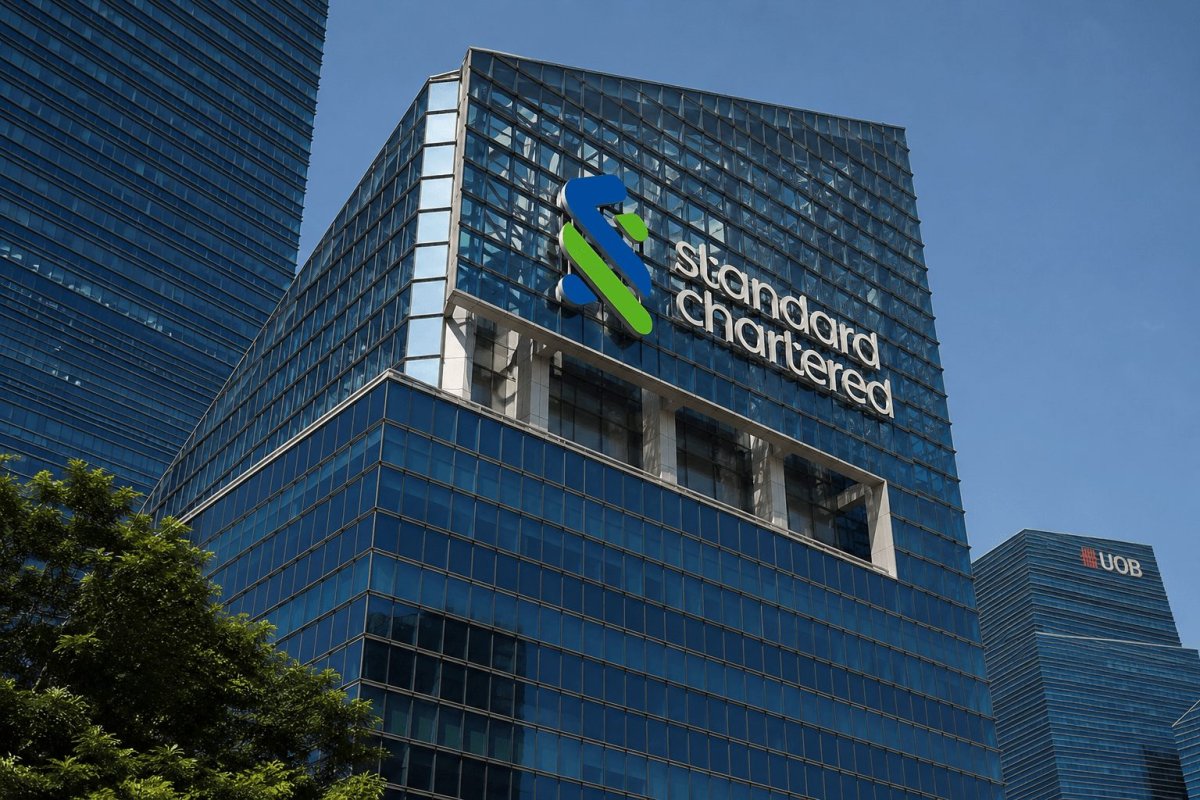
Standard Chartered has unveiled a major strategic overhaul that includes cutting more than 7,000 jobs by 2030 as part of a push to achieve a return on tangible equity (RoTE) of roughly 18%. The London-listed lender, which focuses on Asia and Africa, aims to leverage artificial intelligence and automation to drive efficiency and boost revenue per employee.
Record Quarterly Performance
The bank reported a record first-quarter operating income of $5.9 billion, up 9% year-over-year, and a record profit before tax of $2.5 billion. Wealth Solutions income surged 32%, contributing to the strong performance. However, the bank also booked a $190 million precautionary overlay related to the Middle East conflict.
Job Cuts and Efficiency Drive
The job reductions will primarily target corporate functions, including support and back-office roles in hubs such as Bengaluru, Tianjin, and Warsaw. Affected areas include human resources, risk, and compliance. The bank has already achieved its $1.5 billion annual cost-saving target under the "Fit for Growth" program a year ahead of schedule.
Strategic Goals
Standard Chartered aims to boost income per employee by approximately 20% by 2028 and reduce its cost-to-income ratio to about 57% from 63% in 2025. The plan relies on automation, advanced analytics, and AI to accelerate decision-making, improve client service, and streamline operations. The bank also targets $200 billion in net new wealth by 2028, with affluent clients expected to contribute 75% of wealth and retail banking income.
Market Context
The announcement comes as Standard Chartered wraps up a long turnaround under CEO Bill Winters, who has steered the bank away from takeover speculation and toward more stable returns. The timing coincides with HSBC's investor day, as investors compare the two London-listed Asian banks. Standard Chartered's London shares slipped 0.5% in early trading, with analysts at Keefe, Bruyette & Woods noting that performance may prove more challenging further out amid global uncertainty.
Management Changes
The bank also named Manus Costello as group CFO, promoting the head of investor relations, and Tanuj Kapilashrami as group chief operating officer, pending regulatory approvals. These moves aim to strengthen the top team as the bank pursues its ambitious targets.
Outlook and Risks
Standard Chartered faces risks from its exposure to markets where shocks can impact trade flows, oil prices, and credit costs. The bank expects high-teens compound annual earnings-per-share growth from 2025 to 2028 and plans a dividend payout ratio of at least 30%. While the targets are ambitious, they also present significant hurdles, including execution risk and macroeconomic headwinds.
