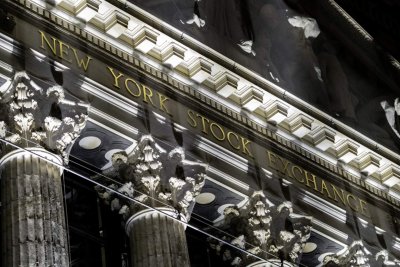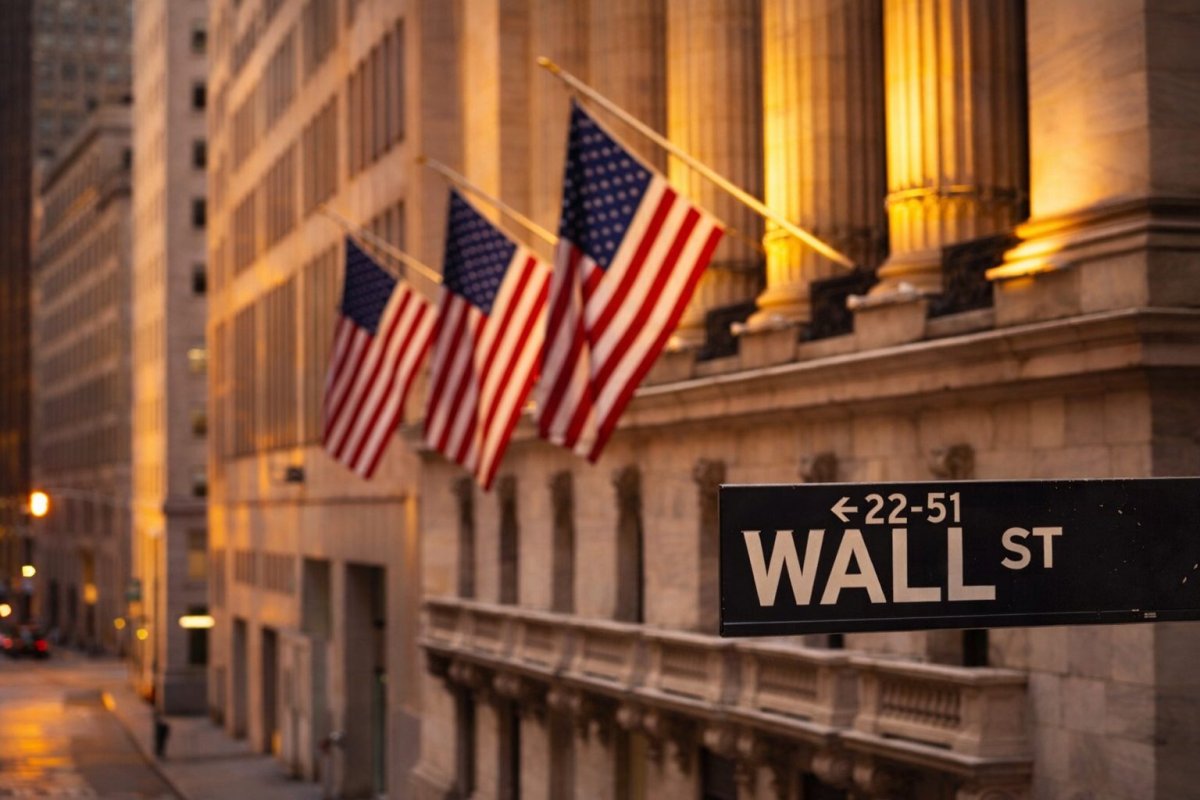
U.S. stock indices moved higher during Friday's trading session, buoyed by a landmark judicial decision that removed a significant layer of trade policy uncertainty. The Supreme Court overturned the broad "Liberation Day" tariffs implemented during the Trump administration, providing immediate relief to sectors heavily reliant on imported goods. By late morning, the S&P 500 had risen 0.64%, the Nasdaq Composite jumped 1.10%, and the Dow Jones Industrial Average edged up 0.23%.
Economic Data Presents a Complicated Picture
The market-positive tariff news arrived amidst a flurry of economic releases that painted a nuanced outlook for the economy and monetary policy. The Commerce Department reported that gross domestic product expanded at an annualized rate of just 1.4% in the fourth quarter, a sharp deceleration and well below economist forecasts of 3.0% growth. Concurrently, the Federal Reserve's preferred inflation gauge, the Personal Consumption Expenditures (PCE) price index, showed a 0.4% increase in December. The core PCE measure, which excludes volatile food and energy prices, also rose 0.4%, marking an acceleration from November's pace.
These figures left investors balancing optimism over reduced trade barriers against concerns about economic cooling and stubborn inflation, both critical factors for the timing of potential interest rate cuts by the Federal Reserve.
Business and Consumer Surveys Indicate Moderation
Further data released Friday morning suggested a loss of economic momentum. The S&P Global flash composite Purchasing Managers' Index (PMI), tracking both manufacturing and services activity, dipped to 52.3 in February—its lowest level in nearly a year, though still indicating expansion. Chris Williamson, Chief Business Economist at S&P Global Market Intelligence, noted the data suggests GDP is rising at an annualized rate of approximately 1.5%.
The University of Michigan's final reading of February consumer sentiment came in at 56.6, essentially unchanged from January. While one-year inflation expectations eased to 3.4%, survey director Joanne Hsu described sentiment as "stagnated," with continued high prices burdening household budgets.
Market Reaction and Sector Moves
Equity markets saw pronounced strength in sectors previously pressured by tariff headlines. Consumer-focused and trade-exposed companies like Hasbro (HAS), Mattel (MAT), and Wayfair (W) rallied following the court's verdict. Homebuilders and solar energy stocks also participated in a broad relief rally as investors assessed the impact of removing tariffs on input costs and consumer pricing.
The technology sector provided a significant lift, with Alphabet (GOOGL) surging 4.5% and helping communication services lead sector gains. The Nasdaq's outperformance highlighted a renewed focus on growth, though debates continue over whether massive investments in artificial intelligence are yielding sufficient near-term returns. Not all tech shares benefited; Akamai (AKAM) declined after issuing a first-quarter earnings forecast that missed analyst estimates, with its CEO citing higher memory component costs driven by AI demand.
Central Bank Commentary and Bond Market Jitters
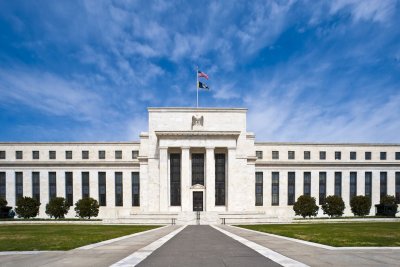
Federal Reserve officials maintained a focus on inflation risks. Dallas Fed President Lorie Logan stated that current monetary policy is "well positioned," expressing "cautious optimism" that inflation is moderating toward the central bank's 2% target. However, she noted she is not yet convinced the goal is within reach, partly due to uncertainties surrounding trade policy.
The tariff ruling also introduced fiscal concerns, unsettling the bond market. Questions arose over whether the U.S. government might need to refund up to $175 billion in previously collected tariff revenue and if the administration would seek alternative methods to impose duties. This uncertainty contributed to a rise in the 10-year Treasury yield, which approached 4.09% by midday.
In other corporate news, Blue Owl Capital (OWL) shares fell as the market digested its plan to sell $1.4 billion in assets from three funds and restructure payouts for a non-traded debt product. This move also weighed on shares of peers Apollo Global Management (APO) and KKR (KKR).
Looking Ahead
Traders are now turning their attention to upcoming inflation reports for further clues on the Fed's path. The January Producer Price Index, scheduled for release on February 27, will offer insight into pipeline price pressures. The delayed January PCE report, now set for March 13, will provide the Fed's preferred inflation snapshot, finally clear of processing delays.