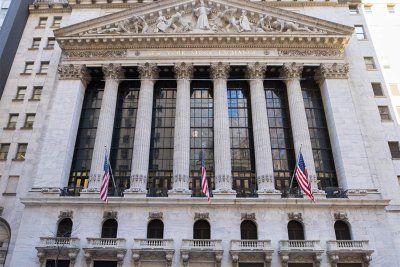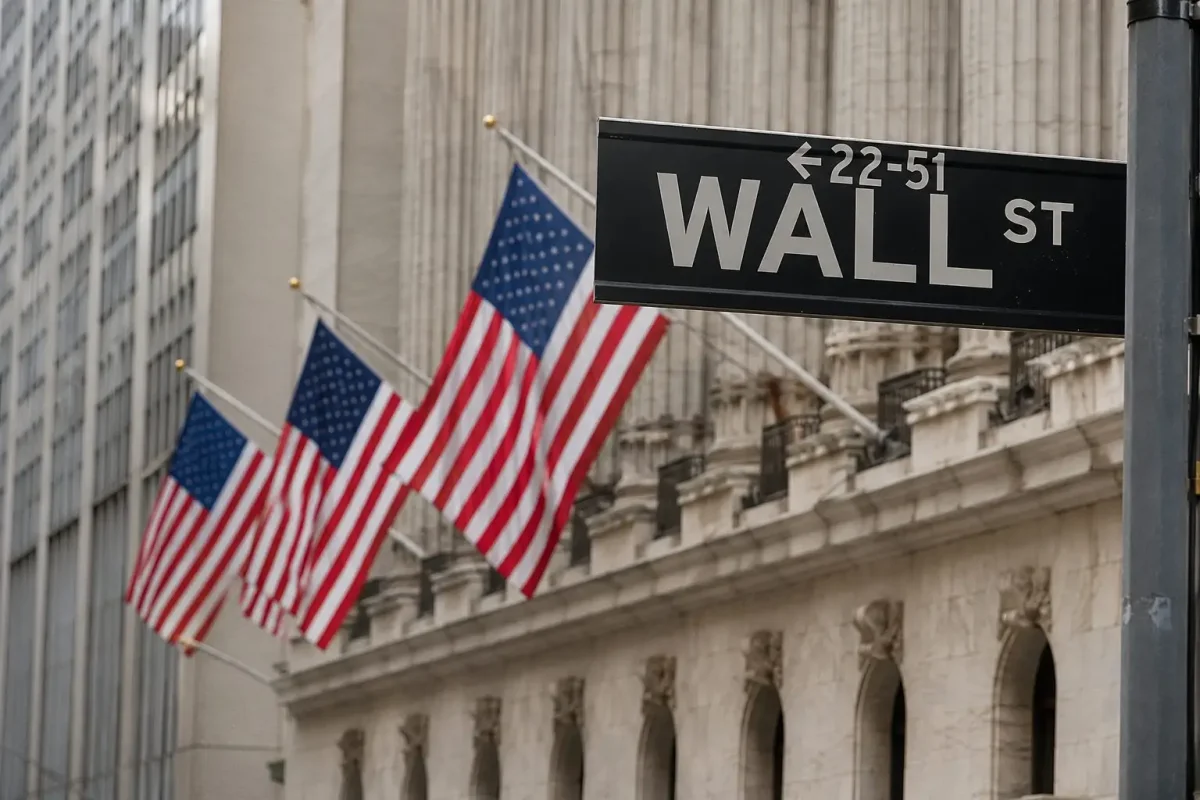
New York, June 17, 2026 — U.S. equities extended losses in after-hours trading Wednesday, following a broad sell-off triggered by the Federal Reserve's updated economic projections. The central bank kept its benchmark interest rate unchanged at 3.50% to 3.75%, but signaled that the next move could be a hike rather than a cut, surprising many investors who had anticipated a more dovish stance.
The S&P 500 dropped 91.25 points, or 1.2%, to close at 7,420.10. The Dow Jones Industrial Average tumbled 507.12 points, or 1%, ending at 51,492.55. The Nasdaq Composite lost 354.69 points, or 1.3%, finishing at 26,021.66. All 11 sectors of the S&P 500 finished in negative territory, with communication services leading the decline, falling approximately 3%.
In the after-hours session, the SPDR S&P 500 ETF Trust (SPY) traded at $740.96, the Invesco QQQ Trust (QQQ) slipped to $722.51, and the SPDR Dow Jones Industrial Average ETF Trust (DIA) was lower at $516.30. These levels remained below their prior closing prices, indicating persistent selling pressure.
The Federal Reserve's updated projections were the primary catalyst for the sell-off. The central bank raised its median federal funds rate forecast for 2026 to 3.8%, up from 3.4% in March. Additionally, the median outlook for the Personal Consumption Expenditures (PCE) inflation index increased to 3.6% from 2.7%, reflecting persistent price pressures. The Fed reiterated that inflation remains above its 2% target, stating it "will deliver price stability."
Bond markets reacted sharply to the hawkish signals. The yield on the two-year Treasury note jumped 16 basis points to 4.207%. Tom Graff, an analyst at Facet, described the shift as "clearly a big shift," while Karl Schamotta of Corpay noted the Fed had "turned sharply hawkish."
Megacap technology stocks were among the hardest hit, as higher discount rates weighed on valuations. Nvidia (NVDA) fell 1.3%, Microsoft (MSFT) dropped 3.8%, and Amazon (AMZN) declined 3.5%. The broader technology sector, as represented by the XLK ETF, also declined.
Regional banks trailed larger peers as traders priced in increased funding and credit risks. The sell-off was broad-based, with every S&P 500 sector finishing lower. Michael James, managing director at Rosenblatt Securities, characterized the market move as a "hawkish tilt."
Economic data released Wednesday provided some context for the Fed's cautious stance. The Census Bureau reported that May retail and food-services sales rose 0.9% from April to $763.7 billion, up 6.9% year-over-year. The figures, not adjusted for inflation, suggest consumers continue to spend despite elevated prices.
Looking ahead, trading volume is expected to thin quickly as markets approach the Juneteenth holiday. The New York Stock Exchange and Nasdaq will be closed on Friday, June 19, making Thursday the last full trading session of the week. Investors will watch for any further shifts in rate expectations, with potential relief if energy prices cool or inflation data softens. However, additional spikes in energy costs or hot spending numbers could keep equities under pressure, particularly for rate-sensitive sectors like regional banks, homebuilders, and high-multiple tech stocks.