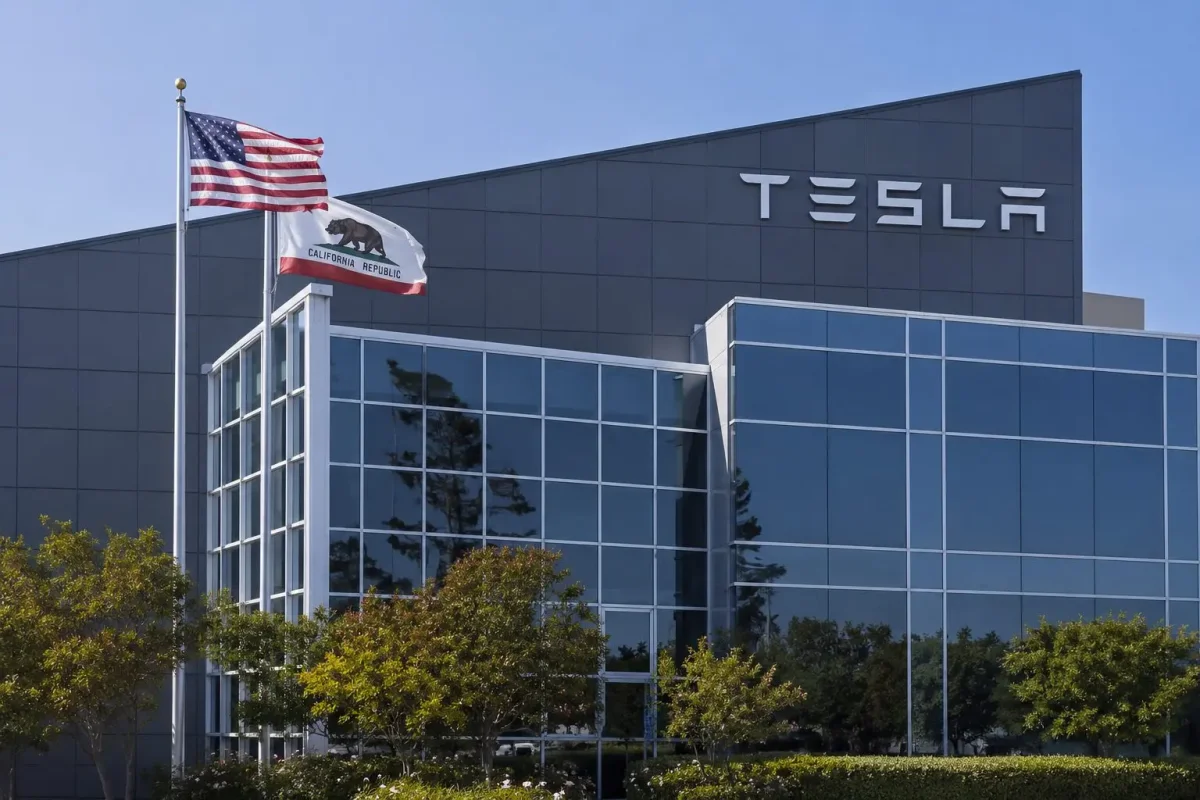
In a strategic move over the weekend, Tesla Inc. raised prices on several Model Y variants in the United States, marking its first price increase for the popular crossover in two years. The adjustments come on the heels of a sharp 4.75% decline in Tesla's stock price on Friday, which closed at $422.24. The company did not provide a reason for the price hike, according to its website.
The price changes include a $1,000 increase for the Model Y Premium All-Wheel Drive and Premium Rear-Wheel Drive versions, bringing them to $49,990 and $45,990, respectively. The Model Y Performance All-Wheel Drive saw a more modest $500 increase, now priced at $57,990. This price action is seen as a signal that Tesla is focused on protecting profit margins in its core automotive business, even as investors continue to value the company on the promise of future technologies like robotaxis and autonomous driving software.
The timing of the price increase is notable, coming after a volatile week for the stock. Tesla shares had traded as high as $445 on Monday, May 11, before sliding to close the week at $422.24. The Friday decline occurred on heavy volume of over 52 million shares. The broader market also faced headwinds, with the S&P 500 falling 1.2%, the Dow losing 1.1%, and the Nasdaq dropping 1.5%, as rising oil prices and higher bond yields pressured technology stocks, which had recently hit record highs.
Among major automakers, Tesla's Friday decline was steeper than General Motors' 3.72% drop but milder than Ford's 7.46% fall, according to MarketWatch data. This places Tesla within the same macro environment as traditional car manufacturers, even though its valuation is heavily dependent on its software and autonomous driving ambitions rather than vehicle sales alone.
The spotlight remains on Tesla's robotaxi service, which is still in beta testing. Recent reports from Reuters, based on test rides in Texas, highlighted significant challenges, including long wait times, limited availability, and drop-off points far from intended destinations. In one instance, a trip that would typically take about 20 minutes took nearly two hours. This gap between the promise of a fully autonomous fleet and the current reality is a key factor behind the stock's sensitivity to news and price signals.
CEO Elon Musk has expressed hopes of having robotaxis and driverless vehicles operating in a dozen or more states by the end of the year, but analysts remain cautious. William Blair analysts described the rollout as "far slower than expected," while CFRA analyst Garrett Nelson noted that investors are accustomed to developments occurring on "Elon time." The spending required to achieve these goals is substantial, with capital expenditures expected to exceed $25 billion this year and Tesla forecasting negative free cash flow for the remainder of the year. Morningstar analyst Seth Goldstein characterized this as a "leap of faith," and Counterpoint Research's Greg Basich warned that the company is being pulled in "too many different directions at once."
The risks are clear: if customers resist higher Model Y prices, the margin protection strategy could backfire, turning into a demand concern. Conversely, if the robotaxi expansion continues to lag, investors may begin to question the nearly $1.5 trillion market valuation. New details disclosed by Tesla in a federal database revealed 17 robotaxi incidents, including two low-speed crashes involving remote human operators, raising questions about remote-driver visibility and latency, as reported by WIRED.
As the new trading week begins, the focus will be on whether Tesla can maintain sales momentum with higher prices and whether the stock can stabilize amid ongoing macroeconomic pressures and scrutiny of its autonomous driving promises. The first test comes Monday morning.