DUBLIN, May 10, 2026 – Tesla Inc. has initiated discussions with Irish authorities to secure approval for its Full Self-Driving (FSD) software, as reported by RTÉ on Sunday. This move represents a strategic step in CEO Elon Musk's broader ambition to pivot the company toward software and automation, expanding its footprint in the European market.
The stock closed at $428.35, reflecting a 4.02% gain, buoyed by robust China sales figures and renewed optimism around artificial intelligence. However, the company's market capitalization, hovering around $1.5 trillion, continues to face investor scrutiny over the revenue potential of products that have yet to generate consistent, substantial income.
Regulatory Fragmentation in Europe
Following provisional approval from the Dutch road authority RDW on April 10, Tesla is now engaging with Irish officials. RDW has advocated for broader EU-wide consideration of FSD, but a bloc-wide decision remains distant, requiring a qualified majority of member states before any regulatory advancement.
The regulatory landscape is far from uniform. Last week, regulators in Sweden, Finland, Denmark, and Norway raised concerns about FSD, citing issues such as speeding, performance on icy roads, and the potential for the "Full Self-Driving" branding to mislead drivers. Tesla did not respond to requests for comment on these regulatory concerns.
U.S. Safety Developments
In the United States, the National Highway Traffic Safety Administration (NHTSA) announced that Tesla's 2026 Model Y became the first vehicle to pass its updated advanced driver-assistance system tests. However, separate NHTSA investigations into FSD's performance in low-visibility conditions remain ongoing.
China Sales Provide a Boost
Tesla sold 79,478 China-made Model 3 and Model Y vehicles in April, a 36% year-over-year increase, according to the China Passenger Car Association (CPCA). However, this total, which includes exports, declined 7.2% compared to March. In the competitive Chinese market, BYD led with 314,100 new energy vehicles sold at wholesale, followed by Geely Auto and Chery, while Tesla China slipped to fourth place among battery-electric, plug-in hybrid, and fuel-cell models.
Investment and Financial Outlook
Despite regulatory headwinds, Tesla remains committed to heavy spending. CEO Elon Musk told analysts after first-quarter results, "We are going to be substantially increasing our investment in the future." CFO Vaibhav Taneja characterized this as a "very big capital-investment phase," signaling negative free cash flow through the remainder of 2026.
Michael Ashley Schulman, a partner at Cerity Partners, which manages Tesla investments, noted that European approval for FSD could enhance profitability and provide a competitive edge against Chinese rivals.
Other Developments
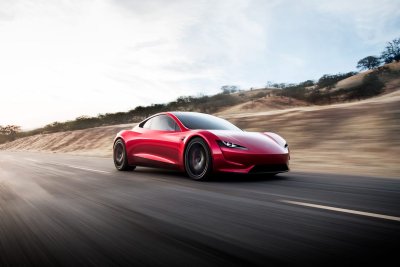
In a separate move, Tesla filed a new trademark application for the long-awaited second-generation Roadster, as reported by Car and Driver. Originally unveiled in 2017 with production slated for 2020, the vehicle has yet to reach the market.
Looking ahead, Tesla faces a series of challenges: securing regulatory approvals, maintaining margins, navigating China shipment dynamics, and accelerating software revenue to match its heavy capital expenditures. Regulators, meanwhile, show no signs of rushing their decisions.