Washington, November 13, 2026 – U.S. producer prices increased at a slower pace in October, but the freight sector continued to exert intense upward pressure, according to data released Friday by the Bureau of Labor Statistics (BLS). The headline Producer Price Index (PPI) rose 0.3% last month, a marked deceleration from September's revised 1.4% jump.
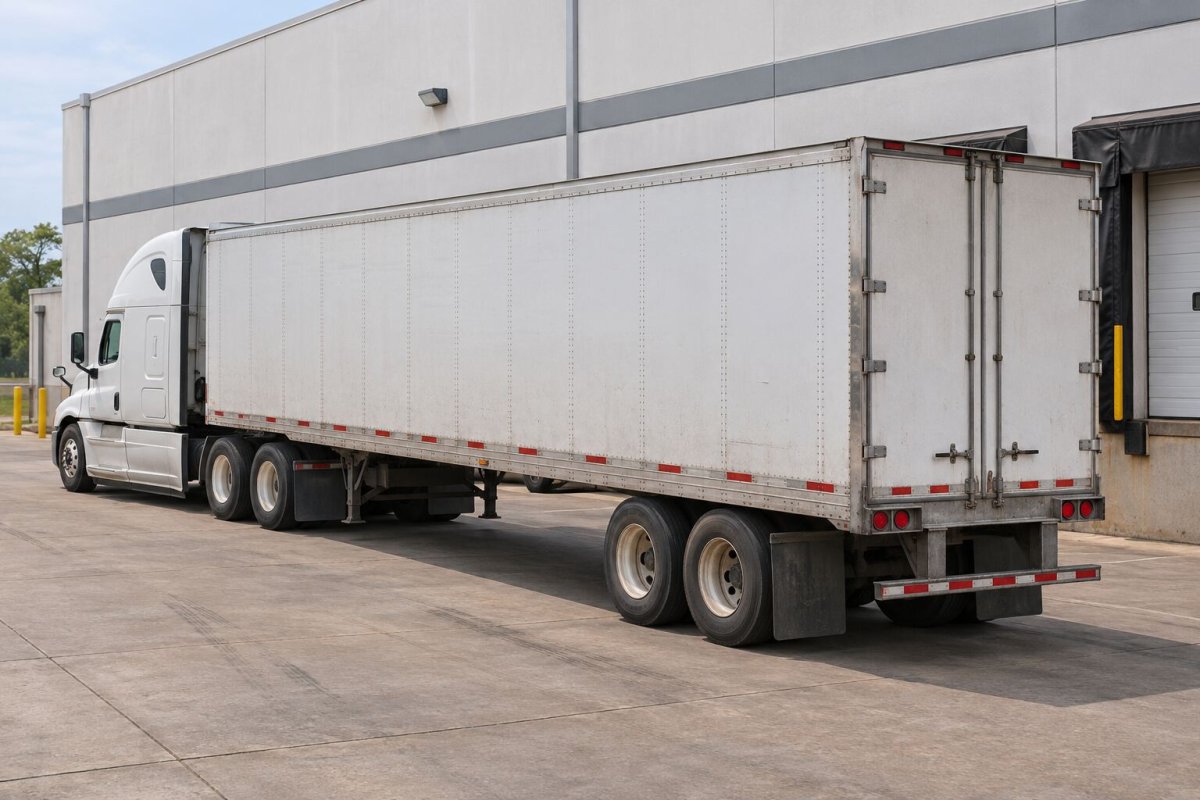
However, the moderation in overall inflation masked a sharp acceleration in truck-freight costs. Prices for truck transportation of freight climbed 3.9% in October, contributing to a three-month increase of approximately 11.0% when compounded from August through October. This surge accounted for more than 80% of the month's rise in the services sector index, which overall advanced just 0.2%.
Transportation and warehousing prices rose 2.0% in October, concentrating much of the month's price pressure in distribution networks. The BLS data underscore how supply-chain bottlenecks and strong demand for freight services continue to drive costs higher, even as broader inflationary pressures show signs of easing.
Freight and Diesel Dynamics
Diesel producer prices, a key input for trucking, fell 7.9% in October after two sharp increases in the prior months. Despite the decline, diesel prices remain well above their summer baseline. When July is set at 100, the rebased index for diesel stood at 137.4 in October, compared with 100.0 in July. Truck-freight prices, by contrast, rose consistently, reaching a rebased level of 111.0 in October.
The freight price increases were driven by monthly gains of 2.9% in August, 3.8% in September, and 3.9% in October. Diesel's monthly changes were more volatile, with a 24.4% surge in August, a 19.9% jump in September, and the sharp drop in October. These swings highlight the ongoing volatility in energy markets, which directly impact transportation costs.
On an annual basis, truck-freight producer prices rose 24.6% in October, while diesel prices surged 115.2% compared with the same month last year. These figures reflect the dramatic escalation in logistics costs over the past year, driven by tight capacity, rising fuel prices, and robust consumer demand.
Inflation Measures and Fed Context
The headline PPI increased 6.5% year-over-year in October, up from 6.3% in September and marking the highest annual reading since November 2022. The underlying measure, which excludes food, energy, and trade services, rose 0.5% on the month and 4.9% annually, a slight slowdown from September's 5.0%.
The Federal Reserve targets 2% inflation as measured by the Personal Consumption Expenditures (PCE) price index. The most recent PCE reading, for September, showed a 3.6% annual increase, according to the Bureau of Economic Analysis (BEA). The Fed's policy decisions also consider its employment mandate, and the central bank has signaled it will continue to monitor inflation data closely.
The persistence of freight cost pressures could complicate the Fed's path toward its inflation target. While the overall PPI slowdown is welcome, the sustained rise in transportation costs suggests that supply-side pressures remain a significant challenge. Analysts will be watching the next PCE release, scheduled for November 25, to see whether these producer-price increases translate into higher consumer prices.
Market Implications
The freight price surge has broad implications for the economy. Higher transportation costs can squeeze profit margins for companies across retail, manufacturing, and agriculture, potentially leading to higher consumer prices down the line. For investors, the data reinforce the importance of monitoring logistics and energy sectors as key inflation indicators.
According to the BLS, the PPI measures prices received by domestic sellers of goods and services, reflecting transactions from the producer's perspective. The October estimates are preliminary and may be revised as more data become available. The BLS revised September's headline reading in this release, and further adjustments could alter the calculated three-month freight increase.
As the economy heads into the holiday season, the freight market remains a critical barometer of economic health. With diesel prices still substantially above summer levels and freight rates climbing, businesses and policymakers alike will be watching for signs of easing or further escalation in the coming months.