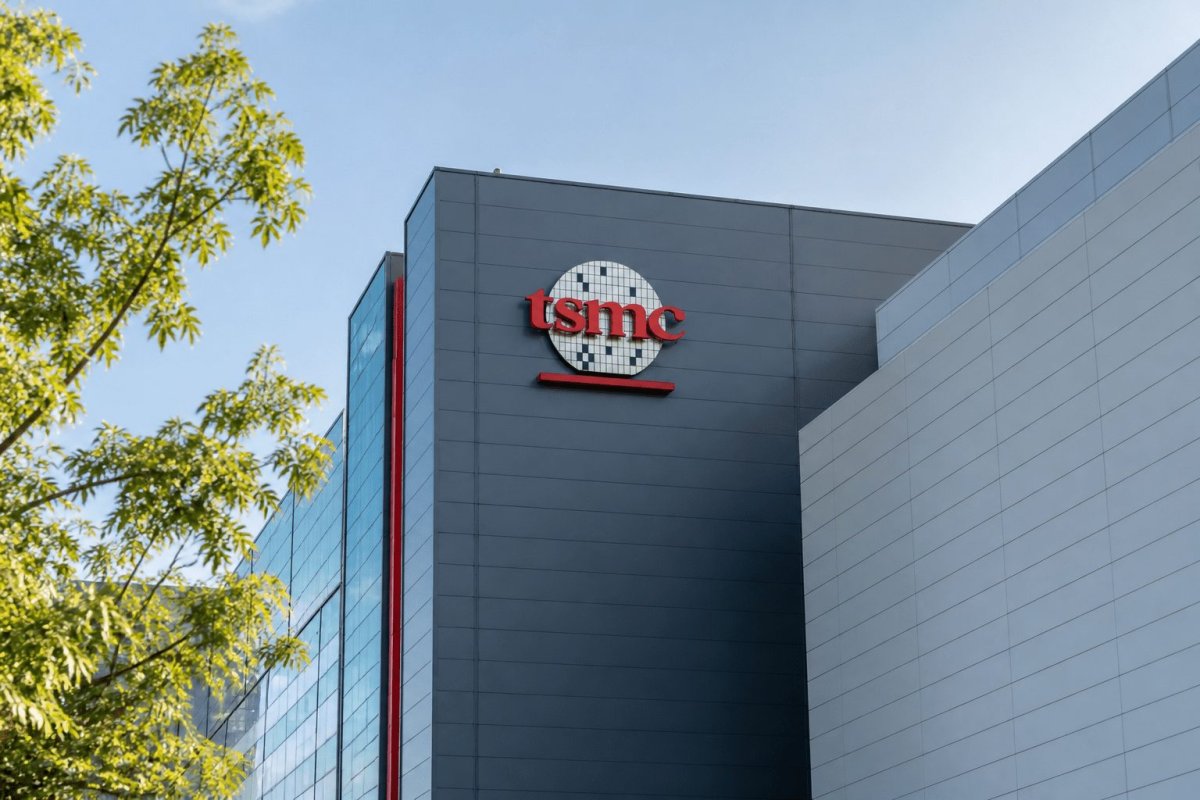
Taiwan Semiconductor Manufacturing Company Limited (TSMC) saw its shares jump 6.56% on Monday, closing at NT$2,275, after the company revived plans to build an advanced wafer fab at Hsinchu Science Park's Longtan campus. The move, which was shelved in 2023 due to local opposition, has been brought back to the table as the chipmaker seeks to expand its cutting-edge manufacturing capacity.
Longtan Fab Plan Returns
According to the Hsinchu Science Park Bureau, TSMC has submitted a new request for approval to construct the facility. The fab, which would process silicon wafers into chips, is expected to focus on advanced process technologies. While TSMC has not confirmed local speculation that the site might be used for angstrom-class processes—chip features as small as a tenth of a nanometer—the revival signals the company's commitment to staying at the forefront of semiconductor innovation.
AI Demand Drives Growth
The timing of the announcement is critical. TSMC, which supplies chips to Nvidia and other AI leaders, has assured investors that demand for AI-related semiconductors remains "extremely robust." CEO C.C. Wei confirmed that capital spending for 2026 will reach the upper end of the company's $52 billion to $56 billion target, underscoring the strong outlook.
Concord Securities analyst Kerry Huang described TSMC as the "largest beneficiary" of the AI boom, noting that cloud companies are ramping up investments in AI infrastructure. "Investors rushed into TSMC shares," Huang said, as the stock's surge helped push Taiwan's Taiex index above 40,000 for the first time.
Financial Performance
TSMC reported first-quarter revenue of NT$1.134 trillion, with net income reaching NT$572.48 billion. Notably, 74% of wafer revenue came from advanced technologies—defined as 7-nanometer and smaller process nodes. CFO Wendell Huang highlighted "continued strong demand" for cutting-edge process technologies, which is expected to sustain momentum into the second quarter.
Global Expansion
In addition to the Longtan project, TSMC is pushing ahead with overseas expansion. Kevin Zhang, the company's deputy co-chief operations officer, told Reuters last month that TSMC is "aggressively expanding" in Arizona, targeting advanced packaging capabilities by 2029. Advanced packaging technology links multiple chips together to function as a single module, a key requirement for AI processors.
Competitive Landscape
TSMC's moves come as rivals ramp up their own efforts. Samsung Electronics reported a 49-fold surge in chip division profit for the first quarter and warned that supply will lag demand through 2027, as it scrambles to catch up with SK Hynix in high-bandwidth memory—a critical component for AI processors. MediaTek CEO Rick Tsai also expressed optimism about the AI market, projecting that data-center ASIC chips could reach $70 billion to $80 billion by 2027.
As demand for advanced chips continues to soar, TSMC's strategic investments in both domestic and international facilities position it to capitalize on the AI revolution. The Longtan fab revival is the latest sign that the company is leaving no stone unturned in its quest to maintain its technological edge.