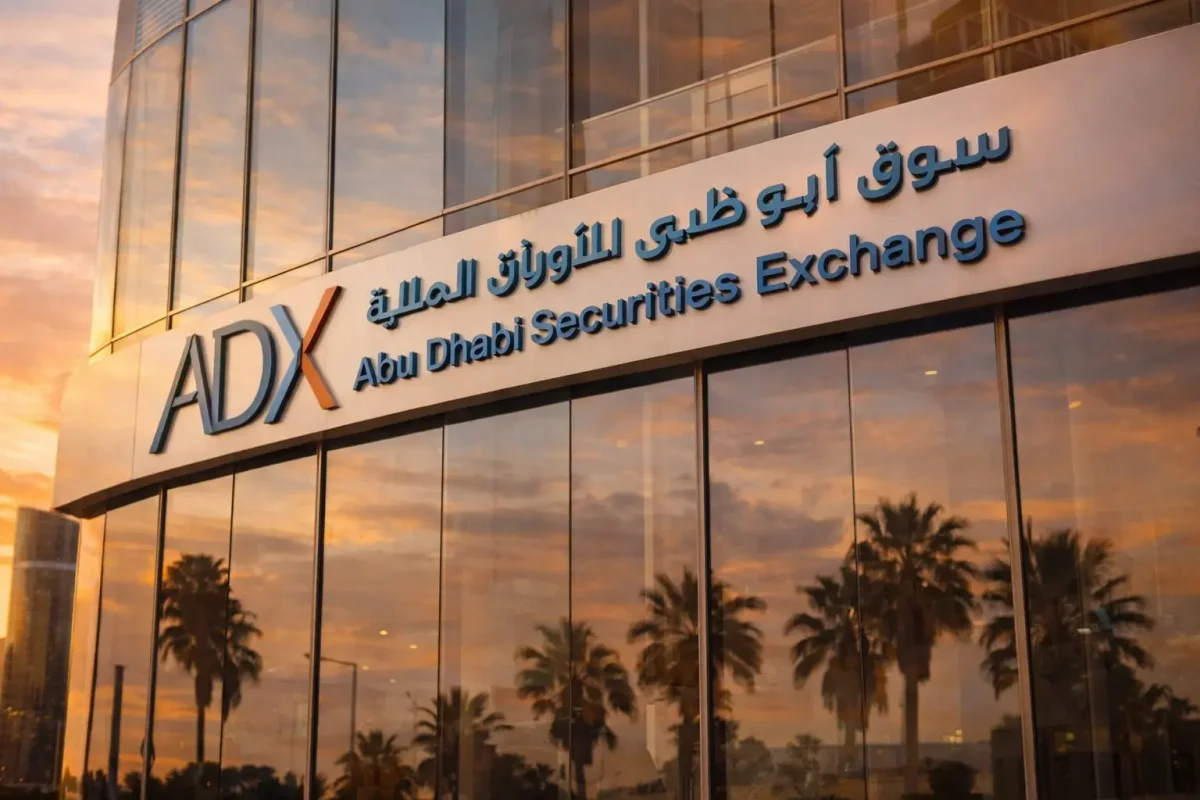
The Abu Dhabi Securities Exchange (ADX) concluded a turbulent and abbreviated trading week with significant losses, as investor sentiment was rattled by an unprecedented market closure. The benchmark index fell 1.4% on Friday, March 7, 2026, bringing its total decline for the three-session week to over 5%. This sell-off followed a rare two-day suspension of trading on March 2 and 3, prompted by missile and drone attacks targeting infrastructure within the United Arab Emirates.
Market Reopens to Volatile Trading
When trading resumed on Wednesday, March 5, the market experienced immediate downward pressure. The ADX index opened sharply lower, skidding as much as 3.6% before paring losses to close the day down 1.9%. The sell-off was broad-based, with major constituents like First Abu Dhabi Bank and Dana Gas each tumbling the maximum allowed 5%. Abu Dhabi National Energy Company (TAQA) slipped 4.9%, and property developer Aldar Properties also finished at the 5% loss limit.
Selling pressure persisted into Thursday, with the index dropping a further 2.2%. Aldar Properties again hit the 5% downside cap, while Abu Dhabi Commercial Bank (ADCB) lost 4.7%. Friday's session extended the declines, with Aldar shedding another 4.9%, ADCB sliding 2.9%, and Emirates Telecommunications Group (e&) ending down 3.8%.
Regulatory Response and Market Mechanics
In response to the heightened volatility, exchange authorities and regulators implemented measures to contain the downturn. The ADX announced a temporary cap on daily losses for individual stocks at 5%. Furthermore, the bourse called on all listed companies to urgently assess their operational and financial exposure to the recent events and promptly disclose any material impact to the investing public.
Despite the turmoil and trading curbs, market activity remained robust. Official figures from the exchange showed Friday's session generated a turnover of 1.81 billion dirhams, with 551.6 million shares changing hands across 29,482 transactions.
Broader Regional Market Impact
The market stress was not confined to Abu Dhabi. Neighboring Dubai experienced an even steeper decline, with its main index plunging 3.2% on Friday alone. For the week, Dubai's market plummeted approximately 9%, marking its most severe weekly loss in nearly six years. This contrasted with movements in Saudi Arabia, where the benchmark Tadawul index rose 0.8% on Thursday, finishing the week 0.6% higher as firmer oil prices provided support.
Analyst Perspectives on Recovery
Market analysts offered mixed views on the path forward. Pepperstone research strategist Ahmad Assiri suggested the UAE markets might follow a recovery template similar to other regional bourses that have absorbed geopolitical shocks. Separately, Samer Hasn of XS.com expressed optimism, anticipating a "stronger-than-expected rebound" for the UAE market once the initial wave of panic selling subsides.
Ongoing Risks and Official Stance
Looking ahead, the primary risk for UAE equities remains a potential escalation in regional tensions or a prolonged disruption to travel and logistics. Major airlines Emirates and Etihad Airways, after days of suspended operations, resumed only a limited number of flights by Friday. The UAE Capital Markets Authority stated it continues to monitor the situation closely and is prepared to intervene with additional measures if necessary to safeguard market integrity and protect investors.
The week's events underscore the vulnerability of financial markets to geopolitical disruptions. The rare trading halt—an action typically reserved for holidays or national days of mourning—forced investors to rapidly recalibrate positions in a compressed timeframe, leading to a concentrated sell-off that erased billions in market value.
