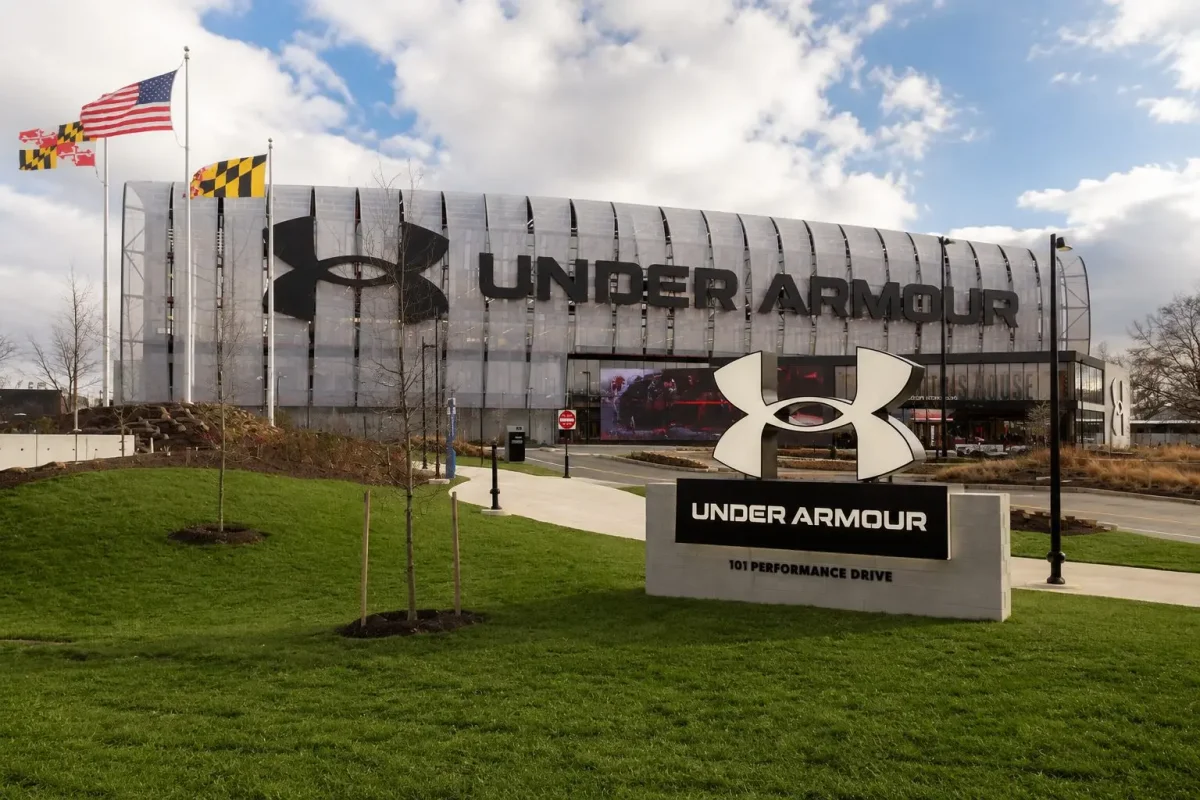
Under Armour Inc. saw its stock price collapse by approximately 20% on Tuesday, as the athletic apparel maker's latest financial outlook failed to convince investors that its restructuring efforts are gaining traction. The company's Class A shares (UAA) closed near $4.87, while Class C shares (UA) experienced a similar decline, marking one of the steepest single-day drops for the stock in recent memory.
The selloff was triggered by the company's fiscal 2027 adjusted earnings forecast of just 8 to 12 cents per share, a figure that fell dramatically short of the 23 cents per share that Wall Street analysts had been anticipating. The guidance suggests that the turnaround strategy spearheaded by founder and CEO Kevin Plank will take longer to bear fruit than many had hoped.
Quarterly Results Reveal Persistent Challenges
Under Armour's fiscal fourth-quarter results, which covered the period ending March 31, 2026, highlighted the ongoing difficulties facing the company. Revenue declined 1% year-over-year to $1.17 billion, with North American sales falling 7% to $641 million. The company also reported a gross margin contraction of 470 basis points to 42.0%, which management attributed to rising tariffs, higher product costs, pricing pressures, and an unfavorable regional sales mix.
For the full fiscal year 2026, revenue dropped 4% to approximately $5.0 billion. Footwear sales were particularly weak, declining 11%, a troubling sign for a brand that has long relied on performance footwear as a key growth driver. The weakness in footwear underscores the challenge Under Armour faces in revitalizing product demand without resorting to heavy discounting.
Restructuring Costs Mount
The company's restructuring and transformation program, initiated after Plank returned as CEO in 2024, continues to escalate in cost. Under Armour has now booked $261 million in charges related to the overhaul, and management has raised the total estimated cost to approximately $305 million. The company expects to complete the majority of these restructuring activities by December 31, 2026.
As part of the restructuring, Under Armour is cutting roughly 25% of its product lines and shifting focus toward higher-margin performance categories such as training, running, and team sports. The company is also reducing discounting and tightening operational discipline, which Plank described as "intentional steps" to reset the business.
International Growth Offers Some Hope
Despite the domestic headwinds, Under Armour's international business provided a bright spot. International revenue increased 10% in the quarter, while direct-to-consumer sales rose 5%. Owned-and-operated stores posted an 8% gain, and inventory levels declined 3%, suggesting some progress in inventory management.
Looking ahead to fiscal 2027, the company projects a gross margin improvement of 220 to 270 basis points, with about 150 basis points expected to come from tariff-related cost reversals. However, the adjusted operating income forecast includes a $70 million benefit from tariff refunds, offset by a roughly $35 million headwind related to Middle East operations, leaving little room for error.
Market Reaction and Competitive Landscape
The selloff in Under Armour shares contrasted sharply with the performance of its peers. Nike (NKE) shares slipped only slightly, Lululemon Athletica (LULU) declined less than 1%, and On Holding AG (ONON) raised its 2026 margin target following a 26.4% surge in first-quarter sales. The divergence underscores the market's preference for companies with clear growth stories and proven demand.
Third Bridge analyst Patrick Ricciardi noted that Under Armour's strategy of reducing discounting and raising prices faces significant headwinds from tariffs, aggressive promotions by competitors, and increasingly price-sensitive consumers. This assessment captures the core bear thesis that has weighed on the stock.
Prediction market data from Polymarket had indicated a 61.5% probability that Under Armour would beat its non-GAAP earnings estimate, suggesting that the market had been overly optimistic. The sharp decline in the stock price appears to reflect a correction of those elevated expectations rather than outright shock at the results.
Under Armour management has signaled plans to increase marketing spending by approximately $30 million in fiscal 2027 to stimulate demand, but the payoff from these investments remains uncertain. For now, the stock remains in a prove-me mode, with investors demanding tangible evidence that the turnaround is working before rewarding the shares.