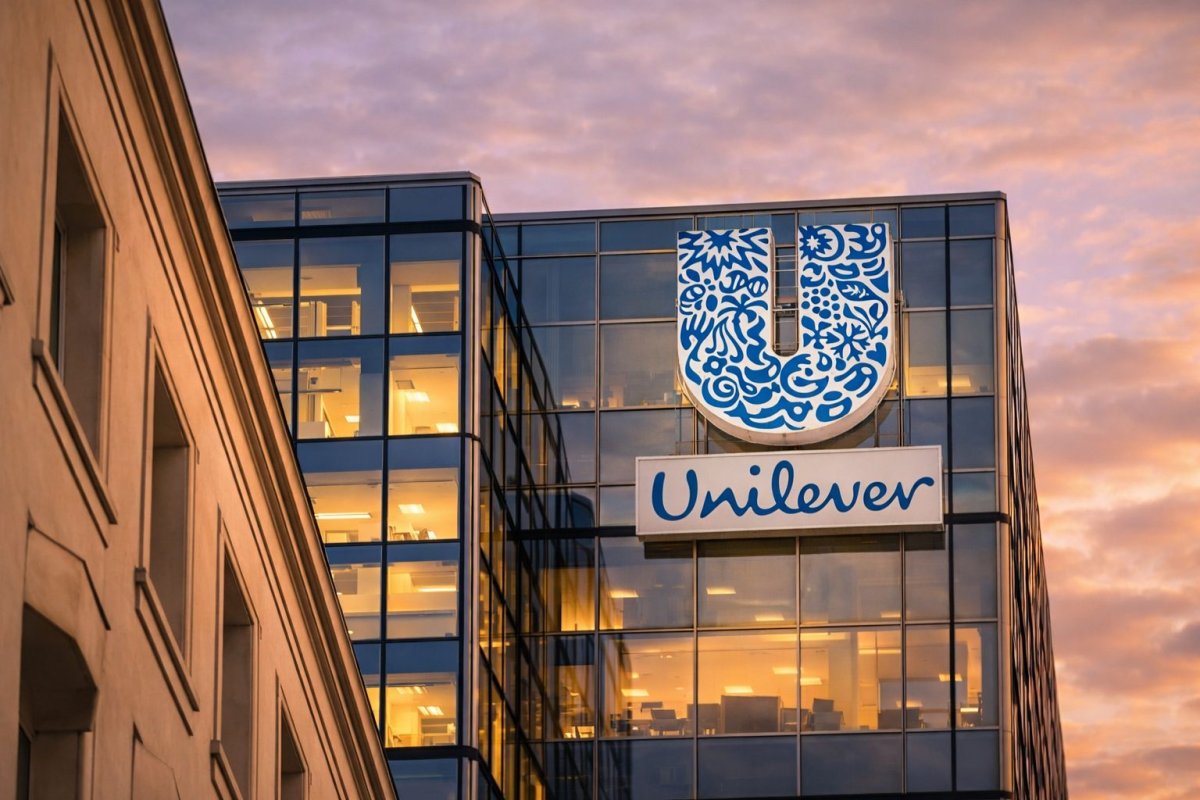
Unilever PLC, the global consumer goods giant behind brands like Dove and Ben & Jerry's, faces a critical market evaluation following its latest strategic and financial update. The company's shares experienced notable volatility, declining as much as 3.6% in early trading after management presented a tempered growth forecast for the 2026 fiscal year alongside a significant capital return initiative.
Cautious Growth Guidance and Shareholder Returns
In its full-year 2025 results, Unilever reported underlying sales growth of 3.5%, with a stronger fourth-quarter performance of 4.2%. However, looking ahead, the company guided for 2026 growth to land at the lower end of its multi-year target range of 4% to 6%. This projection includes an expectation for underlying volume growth of at least 2%. Concurrently, the board announced a new share repurchase program valued at €1.5 billion, scheduled to commence in the second quarter of 2026. This move is positioned as a component of the firm's commitment to disciplined capital allocation.
CEO Fernando Fernandez framed the strategy as building "a simpler, sharper, and faster Unilever." The company anticipates only a modest improvement from the 20% underlying operating margin achieved in 2025. This conservative outlook reflects acknowledged challenges in the operating environment, particularly in key developed markets. Fernandez indicated that pricing increases in 2026 are expected to average around 2%, a rate notably slower than the historical decade average, signaling a continued focus on volume-led growth amid consumer pressure.
Divestiture Strategy and Market Reaction
A significant element of Unilever's simplification strategy involves the disposal of non-core holdings. The company confirmed plans to gradually divest its remaining 19.9% stake in The Magnum Ice Cream Company. This stake sale is intended to help cover costs associated with the recent demerger and maintain balance sheet flexibility. The spin-off of the ice cream division, completed in December, was a major strategic step to create a more focused portfolio.
The market's reaction to Unilever's update was initially negative, with the stock paring losses only slightly as analysts digested the details. James Edwardes Jones of RBC Capital Markets noted, "There are signs of progress ... however we think it will take time." The cautious sentiment underscores investor concerns about the company's ability to accelerate growth in a challenging macroeconomic climate where consumers, particularly in Europe and the United States, remain under cost-of-living pressures.
Magnum's Independent Struggles and Sector Concerns
The performance of the newly independent Magnum Ice Cream Company has added a layer of complexity to the narrative. Following its first earnings report as a standalone entity, Magnum's Amsterdam-listed shares plummeted over 14%. This sharp decline has ignited fresh debates among investors about the underlying health of the ice cream segment and its potential vulnerability to broader trends, including the rising popularity of weight-loss medications which could impact demand for indulgent categories.
Unilever's planned buyback provides a near-term support mechanism for its share price, but its delayed start until Q2 2026 leaves the stock exposed to interim volatility. The onus remains on the company to demonstrate it can deliver volume growth without eroding margins, despite planned increases in brand investment and a promotional market. Traders are closely monitoring for specifics on the pace of the Magnum stake reduction and the timeline for the demerger costs to roll off the financial statements.
Broader Market Context and Forward Indicators
Unilever's situation reflects the broader tension within the consumer staples sector (XLP). These companies are often viewed as defensive havens, yet their stocks remain highly sensitive to any indication of softening demand in major Western economies. The company's performance is now increasingly reliant on emerging markets to offset potential sluggishness in developed regions. The upcoming ex-dividend date for Unilever's fourth-quarter interim dividend is February 26, 2026, with payment following on April 10, 2026.
Investor focus will now shift to execution. Key metrics to watch include the sequential progression of volume growth, the trajectory of operating margin, and the management of the product portfolio in a post-demerger structure. The success of the €1.5 billion buyback in supporting shareholder value will depend heavily on the underlying business performance meeting or exceeding the cautious bar set for 2026. The coming quarters will serve as a critical test for Unilever's refined strategic direction and its ability to navigate a complex global consumer landscape.