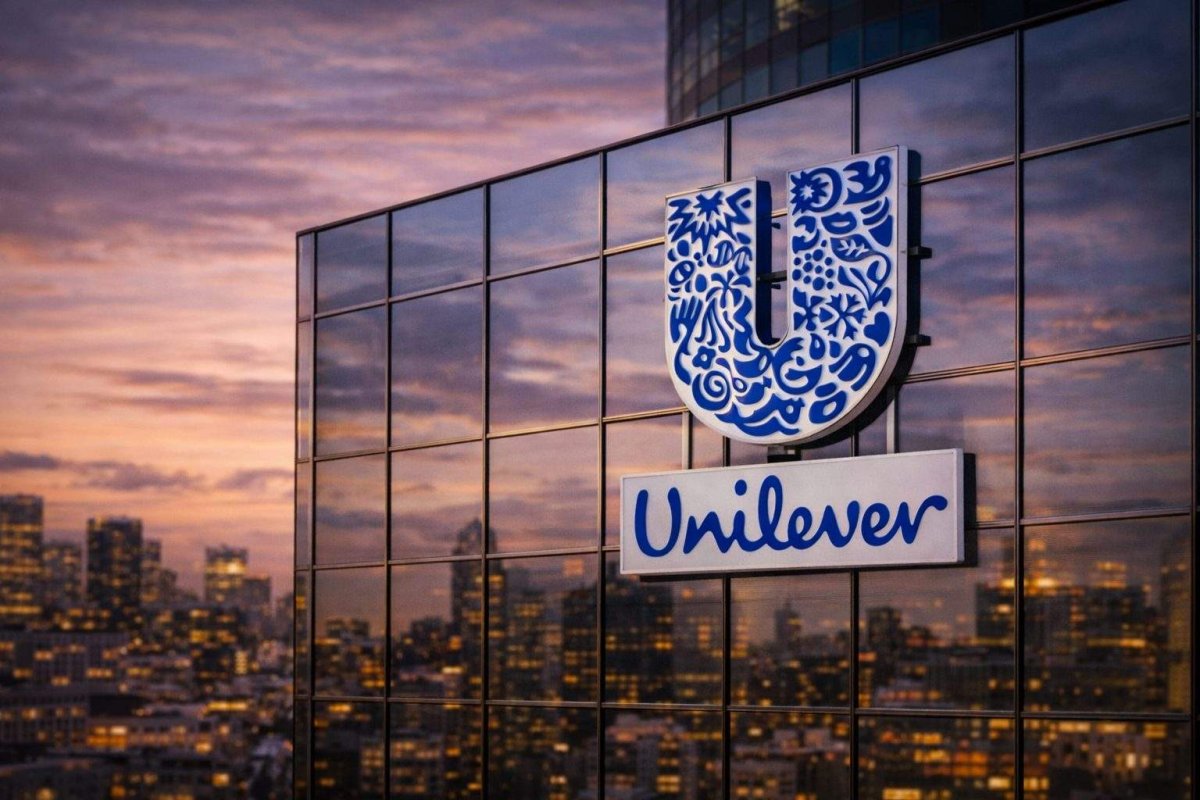
Unilever PLC shares experienced a modest uptick during early trading in London on Tuesday, February 10, 2026, rising approximately 0.2% to 5,176 pence. This slight gain followed a more pronounced decline of 1.6% in the previous session, suggesting a tentative recovery amid mixed investor sentiment.
Analyst Downgrade Amid Valuation Concerns
In a significant development, Deutsche Bank adjusted its rating on Unilever, moving the stock from a "buy" to a "hold" recommendation. The financial institution's analyst, Tom Sykes, cited valuation as the primary concern, noting the consumer goods giant's forward price-to-earnings multiple of around 19 times. This valuation represents a premium compared to the broader market, leading Deutsche Bank to conclude the stock no longer justifies a bullish stance. The firm maintained its price target of 5,150 pence, a level the share price has already surpassed.
Market Context and Defensive Positioning
The trading activity occurs against a backdrop of cautious movement in European equities. The pan-European STOXX 600 index showed little direction as market participants digested a stream of corporate earnings reports and anticipated key economic data releases from the United States later in the week. Within the FTSE 100, Unilever is often viewed as a classic defensive holding within the consumer staples sector. Investors frequently turn to such companies during periods of economic uncertainty or growth concerns, which has provided underlying support for the stock even as broader market momentum stalls.
Investor focus is now intensely trained on the company's upcoming financial disclosure. Unilever is scheduled to release its fourth-quarter and full-year results for 2025 on Wednesday, February 12. The company will host a webcast for investors and analysts beginning at 0800 UK time. This event is widely anticipated, as even minor adjustments in management's commentary regarding profit margins, sales volumes, or forward guidance can trigger significant stock price movements.
Key Metrics Under Scrutiny
Market participants will be parsing the report for several critical data points. Traders are keenly interested in any indications of how consumers are responding to the company's pricing strategies, particularly whether sales volumes are stabilizing after a period of inflationary pressure. Other standard checkpoints include updates on input cost trends, marketing expenditure, and the company's capital return policy to shareholders through dividends and buybacks.
Unilever's valuation is inherently comparative, measured against other major European consumer packaged goods peers such as Nestlé and Reckitt Benckiser. In the competitive landscape for defensive capital, even a slight perceived advantage in growth prospects or operational efficiency can shift investor preference from one company to another. The current premium multiple assigned to Unilever shares implies market expectations for solid execution; a disappointment in the upcoming results or a cautious outlook could prompt a rapid contraction in that valuation premium.
Broader Risks and Subsequent Events
The risk for shareholders is clear: should the company's results or guidance fall short of expectations, the stock's elevated valuation could quickly deflate, erasing recent gains. This vulnerability would be exacerbated by any broader weakness in European equity markets. Following the earnings release, the investment community's attention will swiftly turn to the Consumer Analyst Group of New York (CAGNY) Conference, scheduled for February 17. This industry gathering is a key forum where major consumer goods firms provide deeper insights into demand trends and strategic outlooks for the coming year, offering another potential catalyst for stock price movement.
In summary, Unilever shares are navigating a delicate balance between defensive appeal and rich valuation ahead of a pivotal earnings report. The analyst downgrade from Deutsche Bank underscores the heightened sensitivity to price levels, setting the stage for a potentially volatile period as the market awaits concrete financial data and strategic commentary from the management of the Hellmann's and Dove parent company.