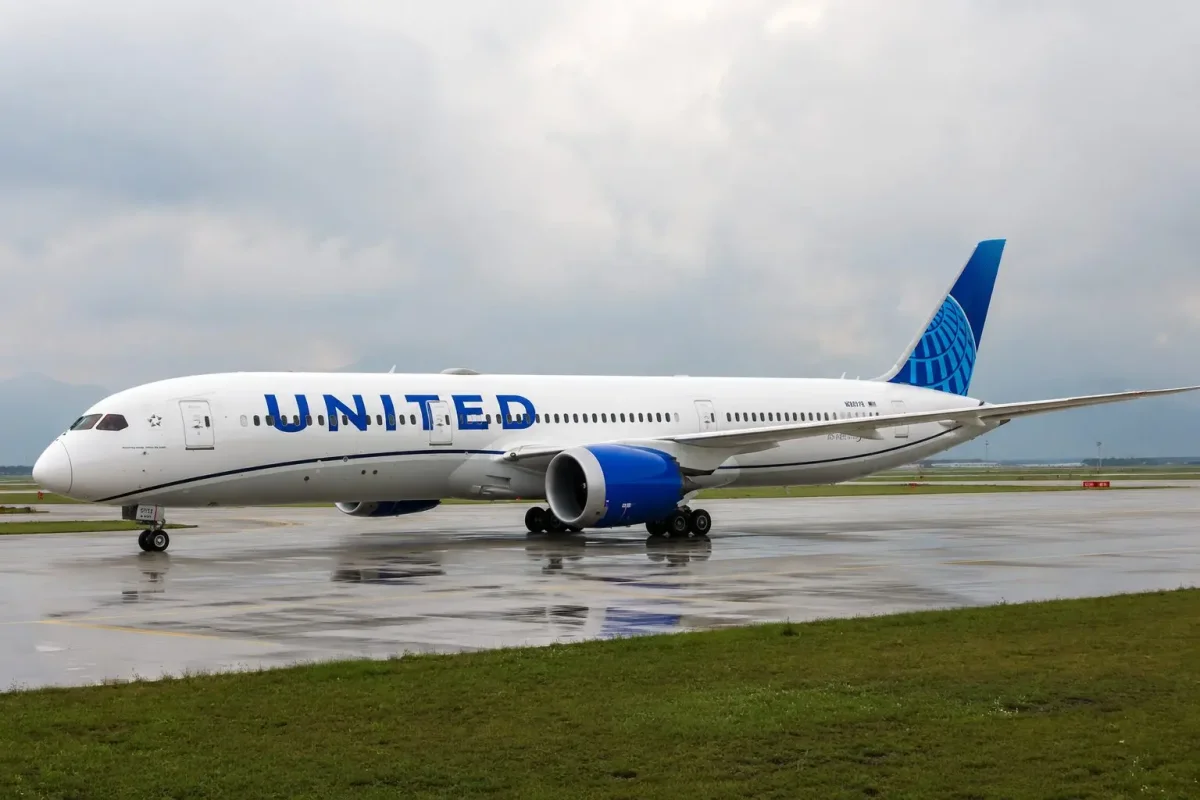
United Airlines' flight attendants have officially ratified a new five-year labor agreement, securing an average 31% increase in base pay, compensation for boarding time, and a substantial retroactive wage pool. The deal, approved by 82% of the nearly 30,000 voting members, brings to a close a prolonged period of negotiations that had strained relations between the carrier and its cabin crew.
The contract, which takes effect immediately upon ratification, includes a significant shift in compensation structure: flight attendants will now be paid for the time spent boarding passengers, a period that was previously unpaid. This change addresses a long-standing grievance, as crew members have argued for compensation covering the full scope of their duties. The union, the Association of Flight Attendants-CWA (AFA-CWA), hailed the deal as a transformative win for its members.
Under the terms of the agreement, base pay will rise by 31% this summer, with an additional 7% to 8% average increase from the new boarding pay. The contract also provides $741 million in retroactive wages, covering the period from when the previous contract expired. Additionally, the deal introduces provisions such as a cap on red-eye schedules, new 'sit pay' for extended or last-minute waits between flights, increased per diem and 401(k) contributions, and expanded paid leave for maternity, parental, and adoption reasons.
Ken Diaz, the head of United's AFA chapter, emphasized the collective effort that led to the agreement. 'Our solidarity delivered the goods,' Diaz said in a union statement. Sara Nelson, international president of AFA-CWA, described the contract as one that 'leads the industry in total value' for flight attendants, underscoring its potential to set a benchmark across the airline sector.
The ratification comes after a previous tentative deal was rejected by 71% of voters in July 2025, with dissatisfaction over pay, ground-time compensation, retroactive pay, scheduling, and work rules. The new agreement, mediated by the National Mediation Board's Michael Kelliher, successfully addressed those concerns. United had initially proposed a signing bonus pool of $740 million in March 2026, which the union later adjusted to $741 million.
United's labor costs have been under pressure, with first-quarter salaries and related expenses rising 9.8% year-over-year, or $406 million, according to the company's recent filing. Fuel costs also climbed 12.6% during the same period. The new contract will further increase labor expenses, but United has already booked $561 million for 2025 related to the ratification payment, with additional costs anticipated as the contract is implemented.
The deal follows similar contract wins at other major U.S. airlines. American Airlines' flight attendants secured a five-year agreement in September 2024, with raises up to 20.5% and boarding pay. Southwest Airlines' attendants ratified their own accord in April 2024, landing an immediate 22% pay boost. These agreements reflect a broader trend of labor gains in the post-pandemic airline industry, as carriers grapple with higher operational costs and a tight labor market.
Investors appeared to have anticipated the ratification, as United's stock slipped just 0.8% to $95.84 on Tuesday. The muted reaction suggests the market had already priced in the deal following the tentative agreement in March. However, the long-term financial impact will depend on the airline's ability to manage rising costs amid potential headwinds from fuel prices and travel demand.
With the contract now ratified, the focus shifts to implementation. The AFA has informed members that higher pay scales and boarding pay will take effect on May 31, just ahead of the busy summer travel season. Integrating these new compensation rules into scheduling and payroll systems will be a key operational challenge for United, as it prepares to handle the surge in passenger traffic.