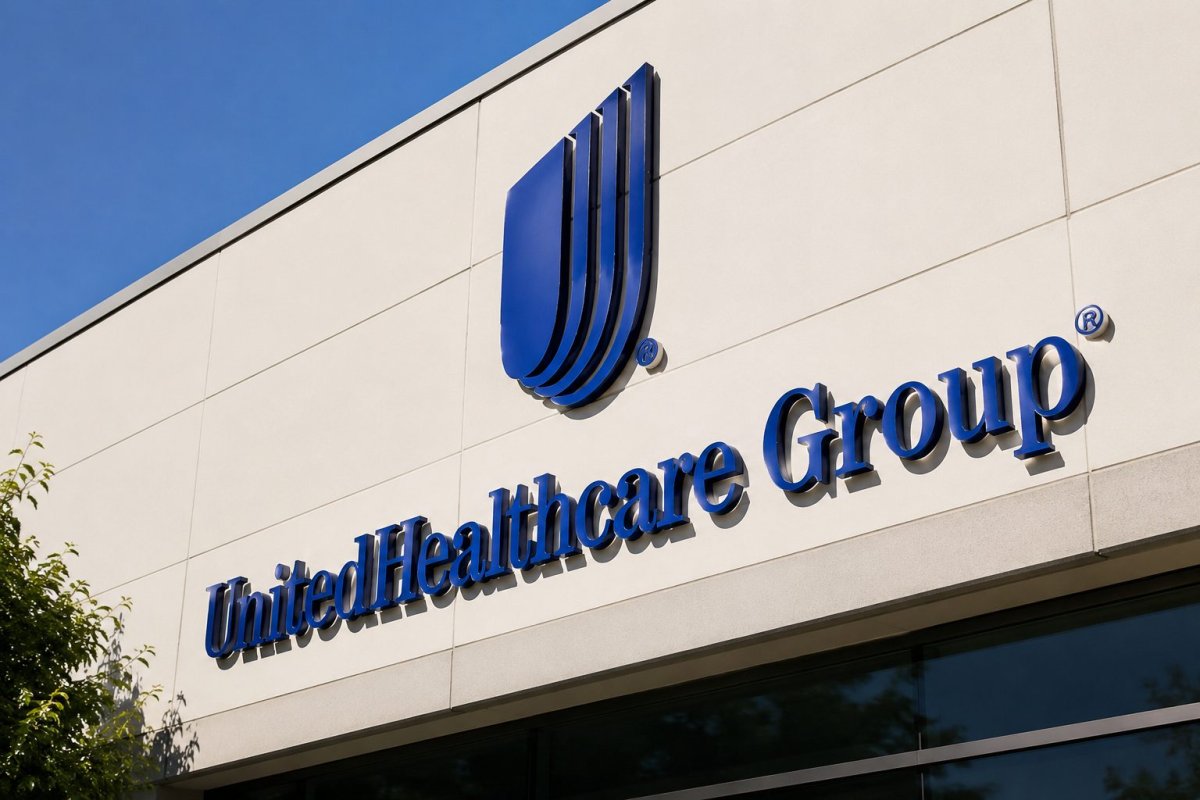
UnitedHealth Group (UNH) shares advanced 3.1% on Tuesday, closing at $396.45, as investors shifted their focus from regulatory and cost headwinds to a more promising recovery trajectory. The stock, which opened at $383.68 and briefly dipped to $382.06, rallied to an intraday high of $397.33 before settling higher. The broader managed-care sector also benefited, with Humana surging 7.8%, Elevance Health gaining 2.6%, and Cigna advancing 2.4%.
Key Catalysts: Earnings and PBM Overhaul
The rally was fueled by several positive developments. UnitedHealth reported first-quarter revenue of $111.7 billion and adjusted earnings of $7.23 per share, beating expectations. The company raised its 2026 adjusted earnings target to above $18.25 per share, signaling confidence in its operational improvements. Additionally, the medical care ratio—a key metric measuring premium dollars spent on claims—came in at 83.9%, indicating tighter cost control.
On Monday, UnitedHealth's pharmacy benefit manager (PBM), Optum Rx, announced a major shift to a transparent, fee-based pricing model. Under the new structure, PBM customers will pay a monthly flat fee unrelated to drug list prices or prescription volumes. This move addresses regulatory scrutiny and legal challenges, as PBMs have been criticized for spread pricing—pocketing the difference between what clients pay and what pharmacies receive. Optum Rx CEO Patrick Conway described the change as a step toward a "simpler and more predictable pharmacy system."
Market Reaction and Sector Impact
The stock's jump was not solely driven by earnings. Investors are increasingly pricing in a recovery, with UnitedHealth's management acknowledging progress but emphasizing that the turnaround is ongoing. CFO Wayne DeVeydt cited "improving fundamentals," while CEO Steve Hemsley noted there is still "a long way to go." The sector-wide rally, particularly Humana's sharp 7.8% gain, reflects optimism about Medicare Advantage, which received a boost from the Centers for Medicare & Medicaid Services (CMS). CMS approved a 2.48% average payment increase for 2027, adding over $13 billion to Medicare Advantage plans, with the effective increase rising to 4.98% when factoring in risk-score trends.
Bearish Counterpoints
Despite the positive momentum, bears remain cautious. Medical-cost pressures, regulatory concerns, and the stock's recent run-up are key worries. UnitedHealth's Bobby Hunter noted that the 2027 medical trend remains "meaningfully above" available funding, meaning the company must carefully manage pricing, benefits, and utilization. Additionally, the U.S. Justice Department is reportedly investigating Optum Rx's prescription-management unit and UnitedHealth's Medicare segment, though no wrongdoing has been alleged. The Federal Trade Commission has also singled out the top three PBMs—Optum, CVS Caremark, and Cigna's Express Scripts—for allegedly inflating drug prices, generating $7.3 billion in extra revenue between 2017 and 2022.
Outlook
Today's action reflects a shift in the burden of proof. Earlier this year, UnitedHealth needed to demonstrate it could stabilize its business. Now, with shares trading as if stabilization is a given, investors are assessing how much of the recovery story is already priced in. The company's presentation at the BofA Securities Health Care Conference on Tuesday provided further insights into its strategy and financial outlook. As Leerink analyst Whit Mayo noted, the sector may now be perceived as "more investable," but the road ahead remains complex.