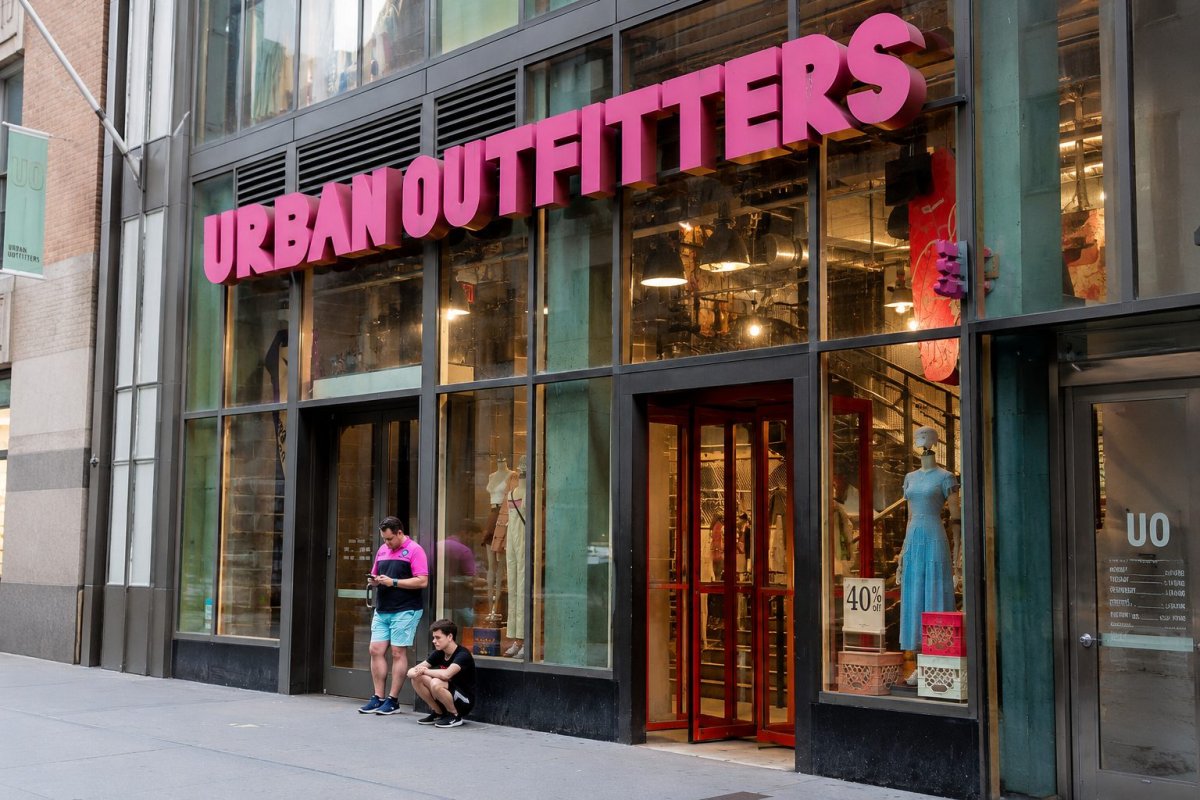
Urban Outfitters Inc. (URBN) delivered a record-breaking first quarter after Wednesday's closing bell, with net income of $115.7 million and diluted earnings per share of $1.30 on net sales of $1.48 billion. The results surpassed analyst expectations, with revenue beating estimates by 1.4% and GAAP earnings exceeding consensus by 16.4%. Adjusted EBITDA also came in above forecasts, underscoring the retailer's operational strength.
Shares closed the regular session at $71.67, up 4.05%, but slipped to $70.55 in after-hours trading. Extended trading sessions often see lower liquidity and higher volatility, so investors should interpret the late move with caution.
Broad-Based Growth Across Banners
Comparable retail sales—a key metric measuring sales from stores and channels open at least a year—rose 5.6% across the company. Gains were broad, with FP Group, Urban Outfitters, and Anthropologie all contributing. CEO Richard Hayne noted customers "remain engaged" and are responding to "compelling fashion trends."
The Urban Outfitters namesake brand, which had struggled in recent years, showed renewed momentum. Total sales for the banner jumped 11% to $305 million, with comparable retail sales up 9%. FP Group sales surged 17% to $412 million, while Anthropologie also posted solid gains.
Nuuly Subscription Revenue Surges
A standout performer was the Nuuly rental subscription service, which saw revenue climb 35% to $167 million. The growth was driven primarily by a 33% increase in average active subscribers, indicating the service is still expanding its user base rather than relying solely on price increases. Nuuly provides Urban Outfitters with a recurring revenue stream that is less tied to traditional store traffic cycles, offering a buffer against retail volatility.
Tariff and Inventory Pressures
Despite the strong top-line performance, the quarter was not without challenges. Gross profit rate declined 16 basis points to 36.6%, as tariffs weighed on initial merchandise costs. The company noted that lower markdowns at FP Group and Urban Outfitters helped offset some of the tariff pressure.
Inventory levels also bear watching. Total inventory rose 9% to $726.9 million, with Urban Outfitters brand comparable retail inventory up 14%. If demand softens or fashion trends shift, higher inventory could force deeper markdowns, squeezing margins further.
Market Context
The report comes at a pivotal time for retail. TJX raised its annual forecasts as shoppers sought value, while Target lifted its sales outlook but cited "recent dips in consumer sentiment." Urban Outfitters' results suggest that even as consumers become more cautious, they remain willing to spend on compelling fashion.
Investors now face a split narrative: demand is holding up, and the company is not overly reliant on any single banner. However, tariffs, supply chain disruptions, and a stretched consumer could make the next quarter harder to replicate. The market will be watching closely for how management navigates these headwinds in the months ahead.