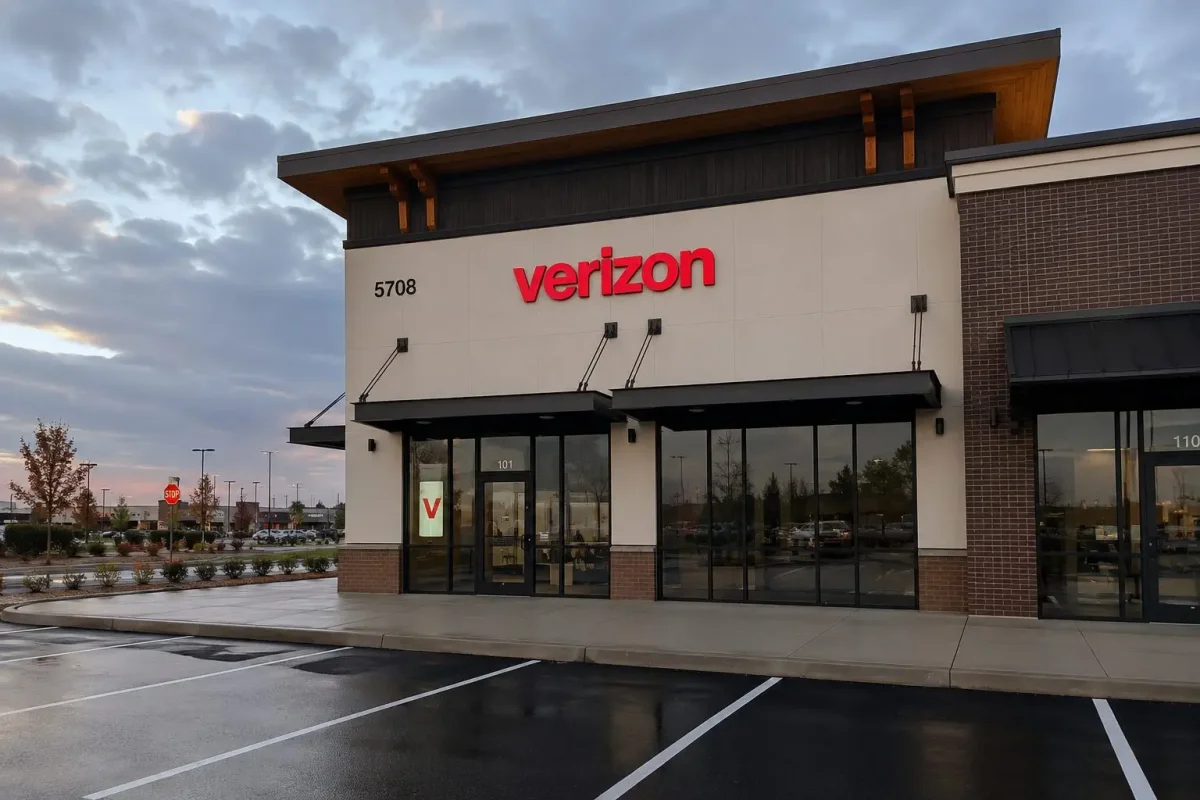
Verizon Communications Inc. has introduced aggressive no-trade-in phone bundles featuring the latest iPhone 17, Samsung Galaxy S26, and Google Pixel 10 Pro, as part of a strategy to accelerate postpaid phone subscriber growth. However, recent consumer reports indicate that the carrier is grappling with extended wait times in stores and lower customer satisfaction scores compared to rivals T-Mobile and AT&T, raising questions about whether sales initiatives are outpacing service quality.
Bundles Aim to Drive Subscriber Growth
The promotions, which run through June 17, 2026, according to Cord Cutters News, include combinations of smartphones with smartwatches and tablets, and do not require a trade-in. Verizon is betting that these offers will help sustain the momentum from its first positive first-quarter postpaid phone net additions since 2013. The company posted 55,000 postpaid phone net adds in Q1, along with 115,000 core prepaid net adds and 341,000 broadband net adds, which include both fixed wireless access and fiber broadband.
Verizon's deals page highlights bundles such as an iPhone 17 with an Apple Watch Series 11 and iPad, as well as similar packages for the Galaxy S26 and Pixel 10 Pro. However, the fine print notes that customers must add new lines or select specific unlimited plans, and that watch and tablet add-ons require separate service plans. Verizon myPlan customers can access additional savings, the report noted.
Customer Service Strains Surface
While the bundles are designed to boost sales, they are also drawing attention to operational challenges. PhoneArena reported on Sunday that some Verizon customers face waits of up to two hours in stores, citing an online post from a purported Verizon employee. The post indicated that staff are required to pitch a wide range of products to every visitor, regardless of their purpose for visiting, which can slow down service.
J.D. Power’s 2026 U.S. Wireless Carrier Satisfaction Study underscores the importance of seamless customer experiences. The study found that customers who had minimal issues to resolve gave significantly higher ratings for ease of doing business. “True loyalty comes from how easy it is for customers to work with a carrier once they’re in the system,” said Carl Lepper, a senior director at J.D. Power, in the report. T-Mobile topped the postpaid rankings with a score of 631 out of 1,000, above the segment average of 603. Verizon Wireless scored 593, while AT&T came in at 587.
Digital Experience Lagging
J.D. Power’s digital-experience study from March placed Verizon behind both T-Mobile and AT&T. T-Mobile led with a score of 695 among internet service providers, followed by AT&T at 675 and Verizon at 669. Among wireless carriers, Mint Mobile took the top spot. Kristen Coffin, digital solutions analyst at J.D. Power, noted that mobile apps outperformed websites in ease of use, but added that telecom companies still need to improve account and billing features. The survey, highlighted by BGR, was based on 12,082 customer evaluations covering app and website design, performance, and available tools.
Financial Outlook and Market Context
Despite the service concerns, Verizon raised its 2026 adjusted EPS growth forecast to 5%-6% and tightened its guidance for total retail postpaid phone net additions to the upper end of the 750,000 to 1 million range. CEO Dan Schulman has emphasized “reducing friction to increase loyalty” as a key driver of the company's first-quarter performance. Richer bundles can help carriers add new lines, but they also increase complexity for stores and customers. Free-device deals often tie to plan choices, new lines, and additional fees, and if these terms complicate the process or surprise buyers, what starts as a promotion can turn into a source of dissatisfaction.
Verizon's strategy is focused on driving account growth rather than making a splash. The company aims to use its bundles to compete more effectively with T-Mobile, AT&T, and lower-cost rivals that are perceived as easier to use and enjoy higher satisfaction scores. As the telecommunications landscape evolves, Verizon’s ability to balance sales growth with customer service excellence will be critical to its turnaround efforts.