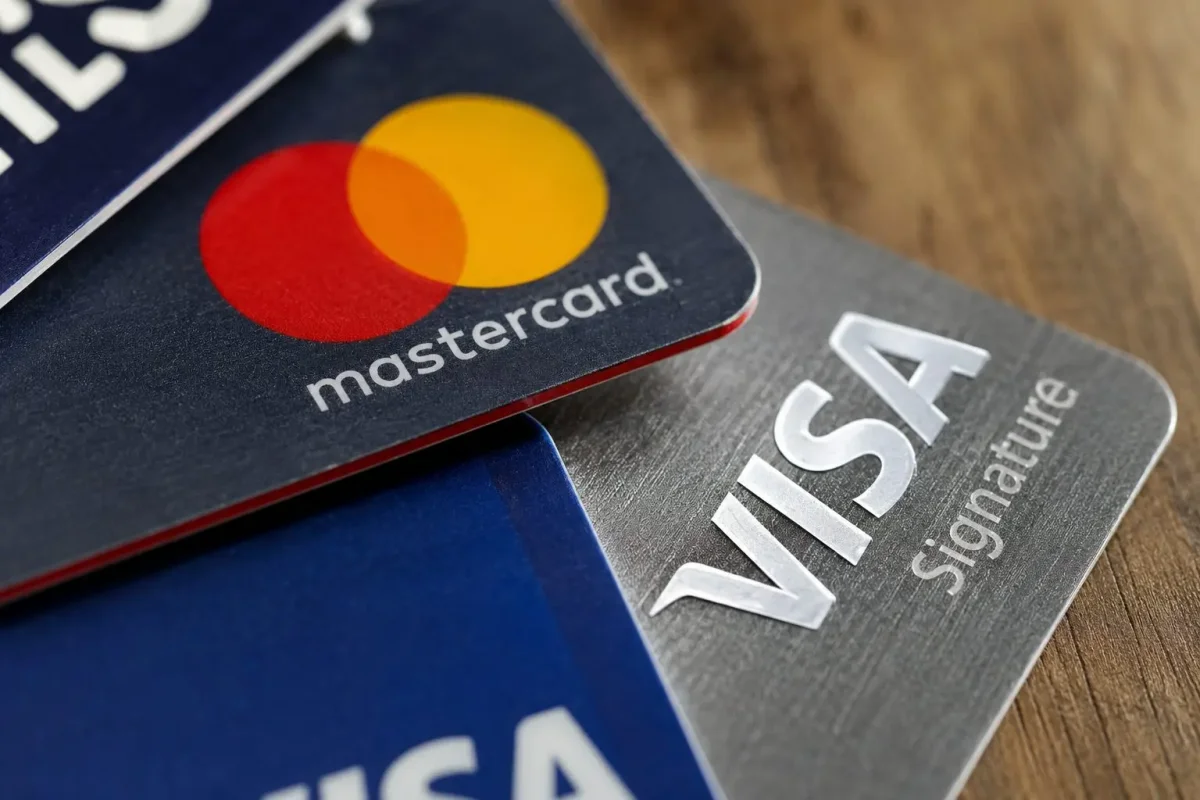
Shares of Visa and Mastercard rose 1.7% and 2%, respectively, on Tuesday after a federal judge in Brooklyn granted preliminary approval to their revised $38 billion settlement with U.S. merchants over credit-card swipe fees. The deal, which still requires final sign-off, is expected to save merchants approximately $38 billion by 2031 and caps standard consumer-card interchange rates at 1.25% for eight years.
Key Terms of the Settlement
Under the agreement, Visa and Mastercard will reduce credit-card swipe fees by 0.1 percentage point for five years. The settlement also loosens the controversial “Honor All Cards” rule, allowing merchants to decline certain card categories such as commercial, premium, or standard consumer cards—though they must accept all cards from banks within any selected category. Merchants can also impose surcharges of up to 3% on Visa or Mastercard credit cards at the brand or product level, even if they do not apply the same fee to competitors like American Express or Discover.
Market and Industry Reaction
Judge Brian Cogan described the settlement as “fair, reasonable, and adequate,” but major retail groups and Walmart have voiced strong opposition. The National Retail Federation, Merchants Payments Coalition, and National Association of Convenience Stores argue that the deal preserves too much of the existing system and could still leave merchants exposed to high fees from rewards cards. Cogan acknowledged some of their concerns but noted that the potential outcome at trial must be weighed.
Mastercard expressed satisfaction with the approval and said it is pursuing “final closure.” Visa called the step an important milestone in moving past the long-running case. Richard Hunt, executive chairman of the Electronic Payments Coalition, which represents card networks and large issuers, described the deal as a “guaranteed win for Main Street.”
Financial Impact and Savings Projections
Plaintiffs’ experts, including Nobel laureate Joseph Stiglitz and economist Keith Leffler, estimate that the changes could generate $38 billion in merchant savings by 2031, with total benefits reaching $224 billion—some of which would be passed on to consumers. The cash-settlement component, currently valued at $5.5 billion, has already distributed $414 million to approximately 598,000 merchants. Plaintiffs are now seeking approval for an additional payout of at least $182 million.
Background and Legal Context
The swipe-fee litigation dates back to 2005, with merchants alleging that Visa and Mastercard conspired to fix interchange fees. A previous $30 billion settlement was rejected by a federal judge in June 2024 for being too lenient, sending the parties back to negotiations and raising the prospect of a trial. The new deal aims to provide long-term stability for the card networks while offering merchants greater flexibility in managing payment costs.
Interchange fees—often baked into retail prices—totaled $118.8 billion in the U.S. in 2025, up from $111.2 billion in 2024, according to the Merchants Payments Coalition. The settlement’s rate cap and fee reductions are expected to slow that growth.
Quarterly reports on claim status, disputes, and distributions are ongoing as the settlement moves through final approval. The case remains under the oversight of Judge Cogan in the U.S. District Court for the Eastern District of New York.