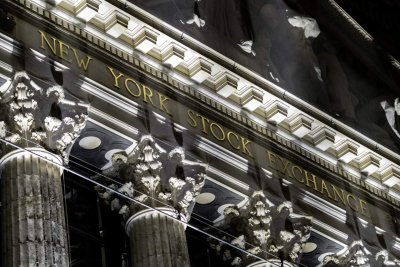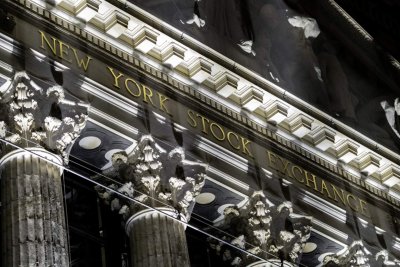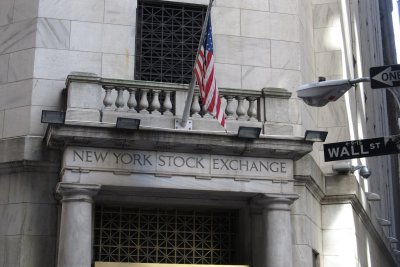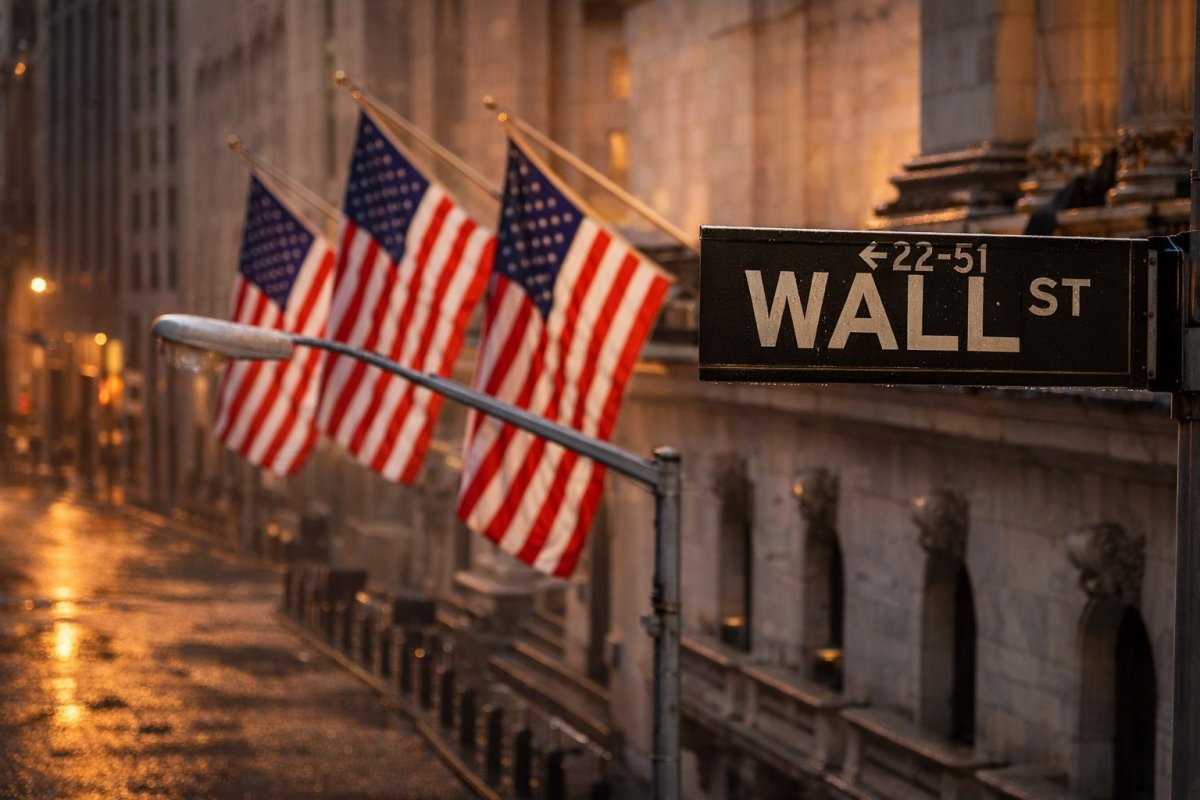
U.S. equity markets posted significant gains on Tuesday, driven by a combination of potential diplomatic progress in the Middle East and a wave of better-than-expected corporate earnings. The rally helped major benchmarks recover a substantial portion of their recent losses stemming from regional geopolitical unrest.
Market Performance
As of late morning trading, the Dow Jones Industrial Average had climbed 290.36 points, equivalent to a 0.60% increase. The S&P 500 index advanced 0.88%, while the technology-heavy Nasdaq Composite outperformed with a jump of 1.41%. The move higher reflects a notable shift in investor sentiment, which has been highly sensitive to headlines from the Middle East conflict over the past several weeks.
Market strategists noted the change in tone. Bob Savage, head of markets macro strategy at BNY Mellon, observed that the transition from missile strikes to discussions of diplomacy has led some investors to search for "a beginning to the end of the war." Art Hogan of B Riley Wealth suggested the ongoing earnings season could help redirect attention from global macro concerns to company-specific fundamentals, allowing investors to "shift their focus from the macro to the micro."
Economic Data and Corporate Earnings
The economic backdrop provided some relief on the inflation front. The Producer Price Index (PPI) for March showed a 0.5% increase, notably below the 1.1% rise forecast by economists surveyed by Reuters. On an annual basis, the index accelerated to 4.0%, with gasoline prices surging 15.7% for the month. Despite the data, traders continued to price in roughly a one-in-three probability of a Federal Reserve interest rate cut before the end of the year.
Corporate results took center stage. Financial giant BlackRock saw its shares rise 4.2% after reporting quarterly profit growth and $130 billion in net new client inflows, a significant portion of which came from its iShares exchange-traded fund business. Citigroup added 1.5%, reaching its highest stock price since 2008 after surpassing profit forecasts. Healthcare conglomerate Johnson & Johnson also gained 1.4%. However, the news was not uniformly positive; Wells Fargo slumped 4.8% after reporting weaker-than-expected net interest income, and JPMorgan Chase fell 0.6% following its own earnings release.
Strategic Shifts and Commodity Movements
The positive momentum prompted several major institutions to adjust their equity outlooks. Citigroup upgraded its stance on U.S. stocks to "overweight," recommending investors hold a larger position than the benchmark allocation. This followed a similar upgrade from BlackRock's investment institute a day earlier. Morgan Stanley characterized the recent market pullback as a correction rather than the start of a broader downturn. Jean Boivin, head of the BlackRock Investment Institute, pointed out that "Tech's valuation premium has been eroded" during the recent volatility.
Commodity markets provided additional support for equities. Oil prices retreated, with Brent crude falling to around $95 per barrel and U.S. West Texas Intermediate crude dropping to approximately $92.60. Both benchmarks declined from levels above $100 seen just a day prior. The benchmark 10-year U.S. Treasury yield also pulled back, settling near 4.28%. Charu Chanana, chief investment strategist at Saxo Capital Markets, cautioned that "markets were trading hope, not resolution," and anticipated that trading would remain volatile and headline-driven.
Growth Forecasts and Underlying Risks
Despite the day's optimism, underlying risks persist. The International Monetary Fund (IMF) revised its global growth projection for 2026 downward to 3.1%, a 0.2 percentage point reduction from its January forecast. The IMF warned that a prolonged or expanding conflict could disrupt markets and jeopardize the U.S. equity rebound. Meanwhile, analyst expectations for corporate profits remain robust. According to LSEG data cited by Reuters, analysts now project S&P 500 earnings growth of 19% for 2026, up from an estimate of 15% prior to the recent conflict. Oil prices, despite Tuesday's drop, remain approximately 40% higher than their levels in late February.
The day's action underscores the fragile balance in markets between geopolitical developments, monetary policy expectations, and corporate fundamentals. Investors continue to weigh whether the last six weeks represent a transient oil price shock or the beginning of a more persistent inflationary period that could challenge the economic outlook and corporate profitability.