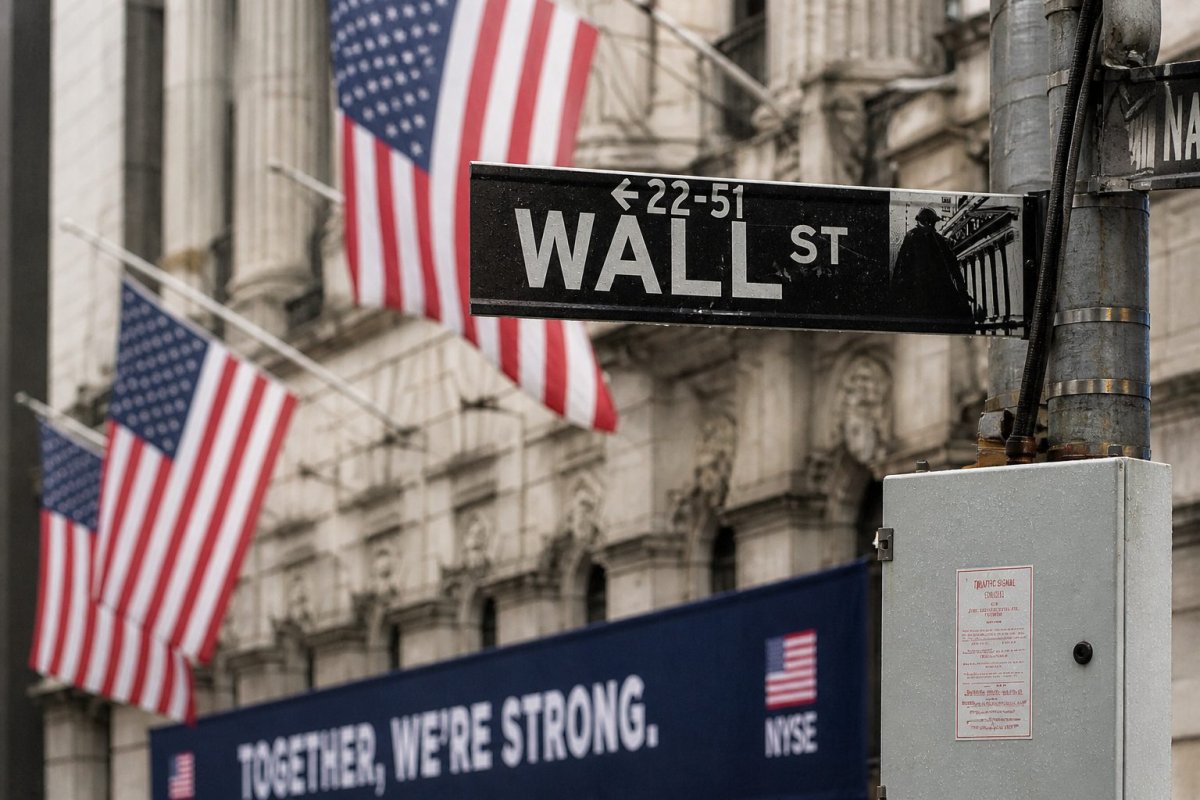
U.S. equities retreated from record levels on Monday, as a sharp rise in crude oil prices and escalating tensions near the Strait of Hormuz upended the market's recent momentum. The S&P 500 fell 0.4% to 7,200.75, while the Dow Jones Industrial Average tumbled 557.37 points, or 1.1%, closing at 48,941.90. The Nasdaq Composite ended the session down 0.2% at 25,067.80.
The declines followed a strong run that saw both the S&P 500 and Nasdaq hit record closes on Friday, buoyed by robust first-quarter earnings and ongoing enthusiasm around artificial intelligence. But that rally left the market with little cushion for negative surprises, and Monday's geopolitical shock quickly erased gains.
Brent crude futures surged 5.8% to settle at $114.44 per barrel after the United Arab Emirates reported what it described as the first Iranian strike since an early-April ceasefire. The Strait of Hormuz, a narrow waterway between Iran and Oman that handles nearly 20% of global seaborne oil and gas flows, became a flashpoint once again. Reuters reported that Brent ended the session $6.27 higher, while U.S. West Texas Intermediate crude added $4.48 to close at $106.42 after attacks targeted ships and struck a UAE oil port.
The U.S. military confirmed that two American-flagged merchant vessels transited the strait on Monday, and that U.S. forces destroyed six small boats that had targeted civilian ships. The UAE Defense Ministry said it intercepted 15 missiles and four drones launched by Iran. In the port city of Fujairah, local authorities reported a drone attack ignited a fire at a major oil facility.
Bond yields moved higher alongside oil prices, with the 10-year Treasury yield climbing roughly 6 basis points to 4.44%. Higher yields increase borrowing costs and make bonds more attractive relative to stocks, adding pressure on equities.
Energy stocks were the only S&P 500 sector to post gains, while materials and industrials suffered the steepest losses, according to Reuters. Shares of FedEx fell 9.1% and UPS tumbled 10.5% after Amazon announced it would make its supply chain services available to other businesses, intensifying competition for the two delivery giants.
GameStop dropped about 10% after the company proposed a cash-and-stock acquisition of eBay valued at roughly $56 billion, or $125 per share, a 20% premium over eBay's Friday close. GameStop CEO Ryan Cohen told the Wall Street Journal the deal could create a legitimate competitor to Amazon.
Travel stocks faced additional headwinds from rising fuel costs. Norwegian Cruise Line trimmed its full-year profit outlook, citing higher fuel expenses tied to the Middle East conflict and weaker demand, especially on European routes. Carnival and Royal Caribbean have flagged similar pressures.
Despite the sell-off, there were pockets of strength. Bank of America strategist Savita Subramanian noted that profit growth is broadening beyond tech giants, with the median S&P 500 stock on track for its strongest earnings growth since 2021. Tyson Foods shares rose after the company beat Wall Street profit and revenue forecasts.
Looking ahead, the market's direction may hinge on whether shipping routes remain secure. If attacks intensify and tankers are delayed, prolonged high oil prices could stoke inflation and keep interest rates elevated. As Edward Jones investment strategist Brock Weimer put it, the longer oil stays above $100 a barrel, the more the fiscal stimulus from 2025 tax cuts shifts from being a boost to acting as a shock absorber.