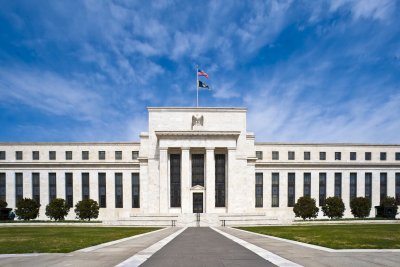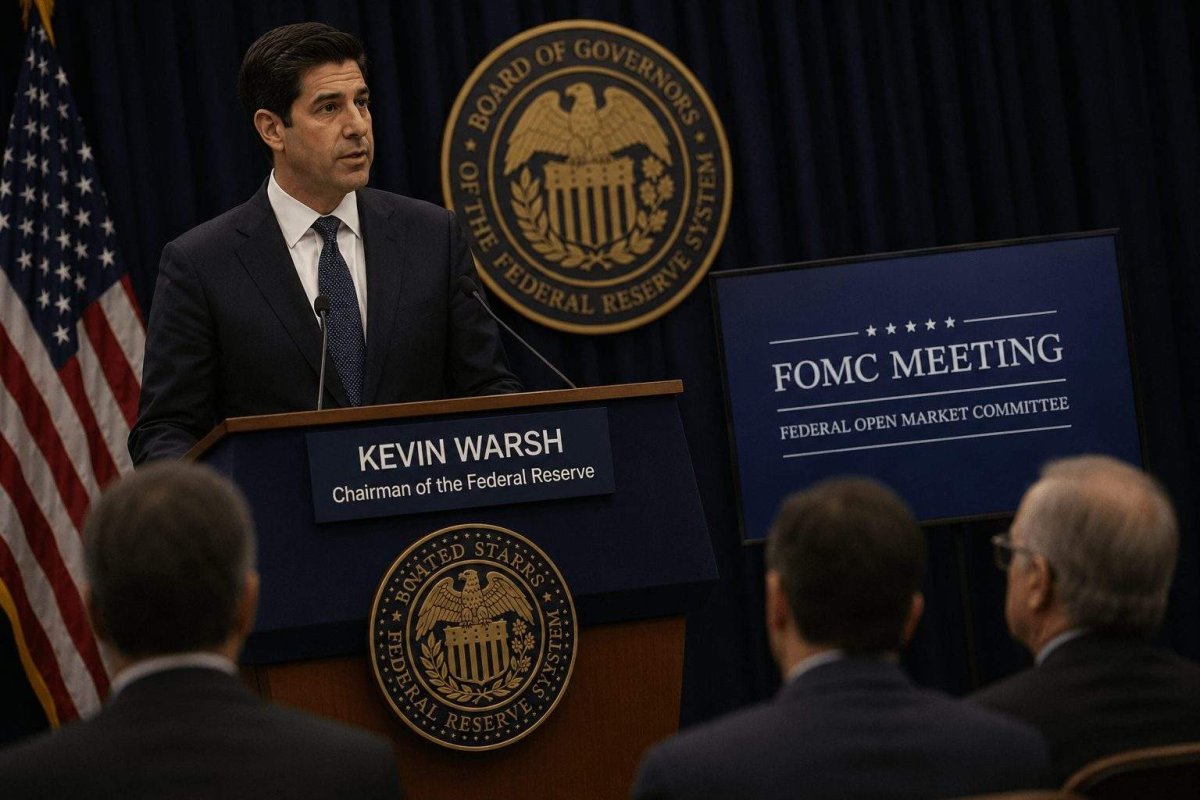
The Federal Reserve convened for its June 16-17 policy meeting, with Chair Kevin Warsh presiding over his first gathering. As widely anticipated, the central bank maintained its key overnight rate at 3.50%–3.75%, a decision that markets had fully priced in. However, investor attention quickly shifted to the updated Summary of Economic Projections and the question of whether Warsh would submit his own rate forecast, known as a "dot," in the Fed's dot plot.
Warsh's Dot Plot Dilemma
Analysts remain divided on whether Warsh will participate in the dot plot exercise. The new chair has previously expressed skepticism about forward guidance, leading some to speculate he might opt out. Richard Moody, Chief Economist at Regions Bank, suggested that Warsh could skip submitting a dot as "a means of signaling how little regard he has for this exercise." Conversely, Michael Feroli, Chief U.S. Economist at JPMorgan, expects Warsh to submit his projections, arguing that not doing so "would look like a spiteful dissent against his own committee."
Shifting Rate Outlook
The rate outlook has evolved significantly since March. Previously, most Fed officials leaned toward a rate cut by year-end. Now, the consensus points to rates remaining steady through 2026. A survey by Duke University of 32 former Fed staff and officials revealed that 17 respondents believe raising rates this year would be appropriate, 14 prefer no change, and only one favors a cut. The same survey projects year-end PCE inflation at a median of 3.5%, well above the Fed's 2% target.
Iran Deal Impacts Oil
Providing some relief to Warsh, an interim U.S.-Iran deal has led to a sharp drop in oil prices. Details of the agreement, expected to be signed in Switzerland on Friday, include a 60-day extension of the ceasefire and the reopening of the Strait of Hormuz. Brent crude fell approximately 5% to $78.92, while WTI settled at $75.95 as traders anticipated increased crude flows through the strait, which previously handled about 20% of global oil transit. Experts caution that it may take weeks for shipping and energy flows to normalize.
Market Reactions and Forecasts
In response to the evolving landscape, UBS Global Wealth Management has delayed its rate cut forecast to March and June 2027, abandoning any expectation of easing this year. CME FedWatch data indicates a 42% market-implied probability of a 25-basis-point hike in December. Bond investors remain cautious, with J.P. Morgan's survey showing neutral Treasury positions rising to 58% of all clients.
Warsh's Press Conference Focus
Warsh's first press conference will be closely scrutinized for signals on the Fed's communication strategy. Jonathan Pingle at UBS noted, "We expect the press conference to be pivotal," adding that markets still lack clarity on Warsh's policy views. Former Fed economist William English summed up the near-term stance: "The right thing to do now is wait and see."