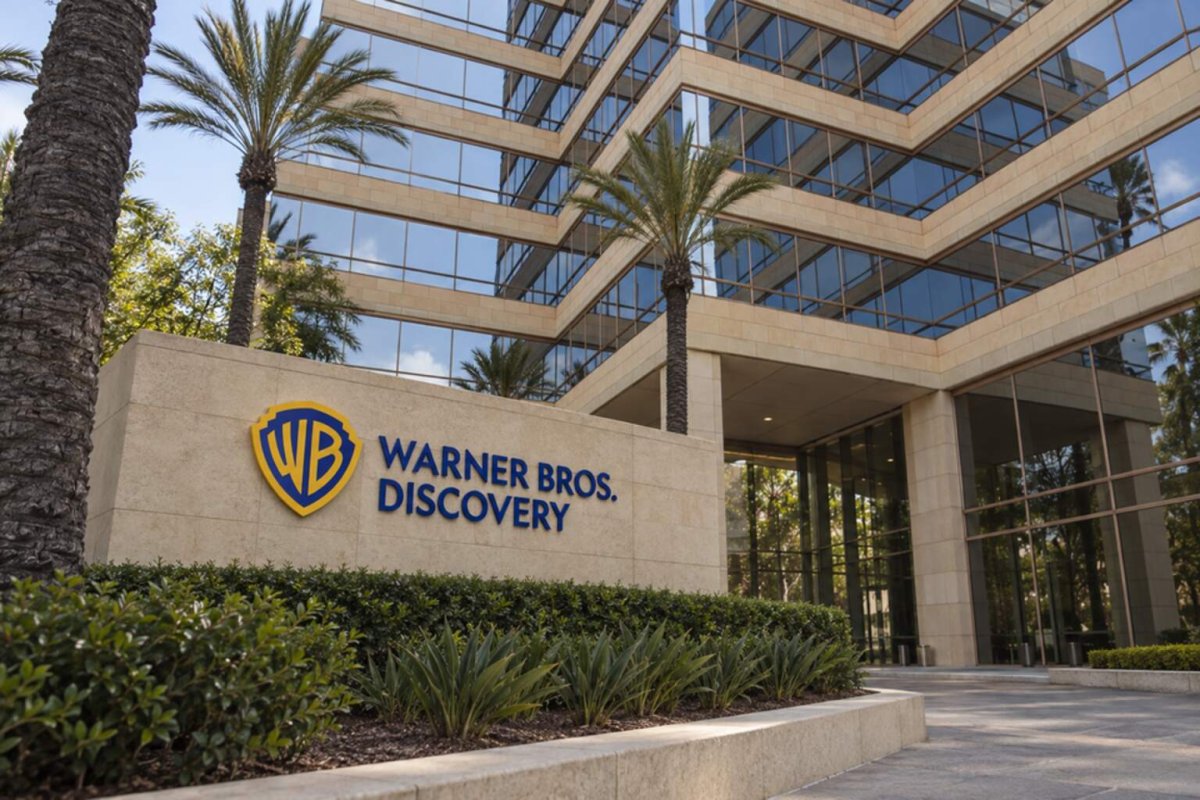
Warner Bros. Discovery (NASDAQ: WBD) shares surged 9.95% on Monday, reaching $30.565 by 11:23 a.m. ET, as investors reacted to reports of ongoing settlement discussions with California's attorney general. The rally narrowed the gap to Paramount's $31 cash consideration to just 1.42%, indicating the market is increasingly pricing in a successful merger closure.
Trading volume was exceptionally heavy, with 108.05 million shares changing hands, representing 5.13 times the three-month daily average. This surge in activity underscores the heightened interest and speculation surrounding the proposed $110 billion combination with Paramount Skydance Corporation (NASDAQ: PSKY), which also saw its shares jump 8.67% to $11.095.
California Settlement Talks
According to a Reuters report, the parties are in discussions with California's attorney general to resolve antitrust concerns. Proposed concessions include a $1.5 billion investment in California production, a commitment to release 30 films annually, protections for studio lots, and the sale of certain cable channels. However, these terms are not final, and the outcome remains uncertain.
The negotiations come after California and 11 other states filed a lawsuit challenging the merger, arguing it would harm studios, theaters, and cable consumers. While a federal judge granted the states an early procedural victory on July 20, the latest developments suggest a willingness to negotiate rather than litigate. The court risk, however, remains a significant overhang.
Merger Arbitrage Dynamics
The current spread of 1.42% implies that investors see a high probability of the deal closing before the September 30 deadline. If the merger closes by that date, shareholders would receive $31.00 per share, a modest 1.42% premium to Monday's price. Should the deal slip by one quarter, a $0.25 quarterly ticking fee would increase the gross value to $31.25, representing a 2.24% upside. Two quarters late would bring the value to $31.50, or a 3.06% gain.
These scenarios highlight the slow but steady accretion from the ticking fee, which is designed to compensate shareholders for delays. However, the arithmetic also underscores the risk: without the merger, the unaffected price reference of $12.54 would imply a 58.97% downside. This stark contrast illustrates the binary nature of the arbitrage trade.
Analyst Perspectives
Wall Street analysts remain cautious, with four of five recent price targets at or below the current share price. Barclays, which resumed coverage on September 17 with an Equal Weight rating, set a target of $29, implying a 5.1% downside. Analyst Kannan Venkateshwar acknowledged the "growth optionality" in streaming and studios but cited synergy and debt targets as constraints on execution.
Other ratings include Argus with a Buy and a $31 target, while Bernstein, Morgan Stanley, and TD Cowen all hold with targets ranging from $26 to $29. These valuations reflect the market's view that the stock's value is predominantly driven by the merger outcome rather than standalone fundamentals.
Risks and Catalysts
The primary risk is that the reported settlement fails or changes materially, which could expose shareholders to a significant repricing. With the spread already narrow, the potential upside is limited, but the downside in a broken-deal scenario is substantial. The September 30 deadline is the next major catalyst, as investors will need to see a signed settlement or court order to convert the spread into cash.
As the merger process unfolds, market participants will closely monitor any updates from California and the other states. The outcome of these negotiations will likely determine whether the deal closes on time or faces further delays. Until then, the stock's trajectory remains tied to the legal and regulatory developments surrounding this high-stakes transaction.