The Trump administration is in advanced discussions to provide Spirit Airlines with a federal loan of up to $500 million, according to reports from Bloomberg and The Wall Street Journal. The proposed rescue package, which would grant the government warrants to acquire future equity in the discount carrier, represents an atypical intervention by Washington into the affairs of a single airline. Such direct assistance is generally reserved for industry-wide emergencies rather than individual company bailouts.
Fuel Crisis Imperils Bankruptcy Exit
Spirit Airlines initiated a desperate search for emergency funding last week after a dramatic surge in jet fuel prices jeopardized its carefully constructed plan to emerge from bankruptcy protection. The airline had previously informed investors it aimed to exit Chapter 11 by early summer 2026, with plans to reduce its operating fleet to between 76 and 80 aircraft. This marks the carrier's second bankruptcy filing in recent years, having emerged from a previous restructuring in March 2025 only to file again in August 2025.
The financial mathematics are stark. Spirit's restructuring assumptions were built on jet fuel averaging $2.24 per gallon in 2026, declining to $2.14 in 2027. However, by mid-April, spot prices had climbed to approximately $4.24 per gallon. Analysts at J.P. Morgan calculate that if elevated fuel costs persist, Spirit's operating margin could plummet to negative 20% in 2026, adding approximately $360 million in additional expenses. The airline has warned that these price increases could have an "immediate and substantial negative impact" on its financial results.
Regulatory and Competitive Landscape
The potential collapse of Spirit Airlines carries significant implications for market competition. With approximately 14,000 employees, Spirit represents one of the few remaining discount carriers that regulators have previously credited with helping to maintain downward pressure on ticket prices across the industry. Its disappearance would reduce consumer choice and potentially strengthen the pricing power of remaining carriers.
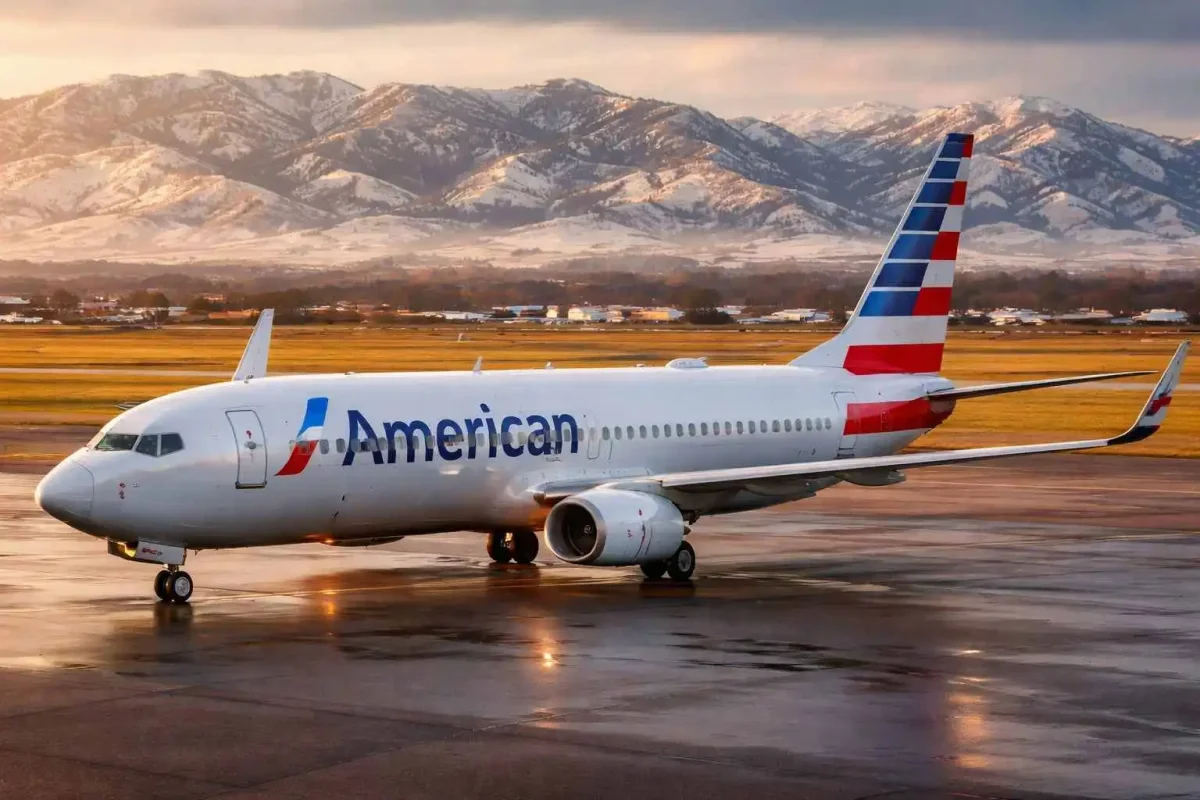
Simultaneously, the White House has expressed firm opposition to merger discussions between United Airlines and American Airlines. President Trump stated on Tuesday that he would "love somebody to buy" Spirit but made clear he does not support consolidation between the two legacy carriers. By Friday, American Airlines had publicly dismissed speculation about a tie-up, calling such a combination "negative for competition and for consumers."
Administration Skepticism and Creditor Concerns
Transportation Secretary Sean Duffy has voiced caution regarding the proposed bailout, suggesting officials are examining Spirit's alternatives while warning that federal assistance might constitute "good money after bad." He further indicated that United Airlines CEO Scott Kirby faces significant hurdles in convincing the administration that a merger with American would benefit travelers.
Creditors have raised alarms about the viability of Spirit's restructuring plan under current market conditions. Citibank, representing revolving credit lenders, informed the bankruptcy court that the existing plan fails to adequately address how Spirit would navigate persistently high fuel prices. The bank additionally cautioned that if creditors move to repossess engines and spare parts, the restructuring could rapidly unravel into liquidation.
Broader Merger Prospects Dim
Expert analysis suggests broader airline consolidation faces substantial obstacles. William Kovacic, director of George Washington University's competition law center, characterized a United-American combination as "seems hopeless" due to significant route overlap. Antitrust attorney Seth Bloom noted that such a deal would concentrate additional pricing power within an industry already dominated by four major players, raising serious regulatory concerns.
Previous attempts to secure Spirit's future through acquisition have faltered. Takeover discussions with both JetBlue and Frontier Airlines ultimately collapsed without agreement, leaving the federal loan as one of the few remaining options to prevent the carrier's dissolution.
Uncertain Path Forward
The rescue negotiations remain incomplete, with Bloomberg reporting that talks are ongoing. Secretary Duffy has publicly questioned Spirit's ability to return to profitability, warning that government aid might merely delay an inevitable outcome. If fuel prices remain elevated and no buyer materializes, Washington could find itself holding a stake in an airline requiring further concessions, additional time, or both to survive.
The situation presents the administration with a complex dilemma: allow a discount carrier to fail, potentially reducing competition and costing thousands of jobs, or intervene with taxpayer funds in a company facing severe structural challenges. The outcome will significantly influence the competitive landscape of the U.S. aviation sector for years to come.