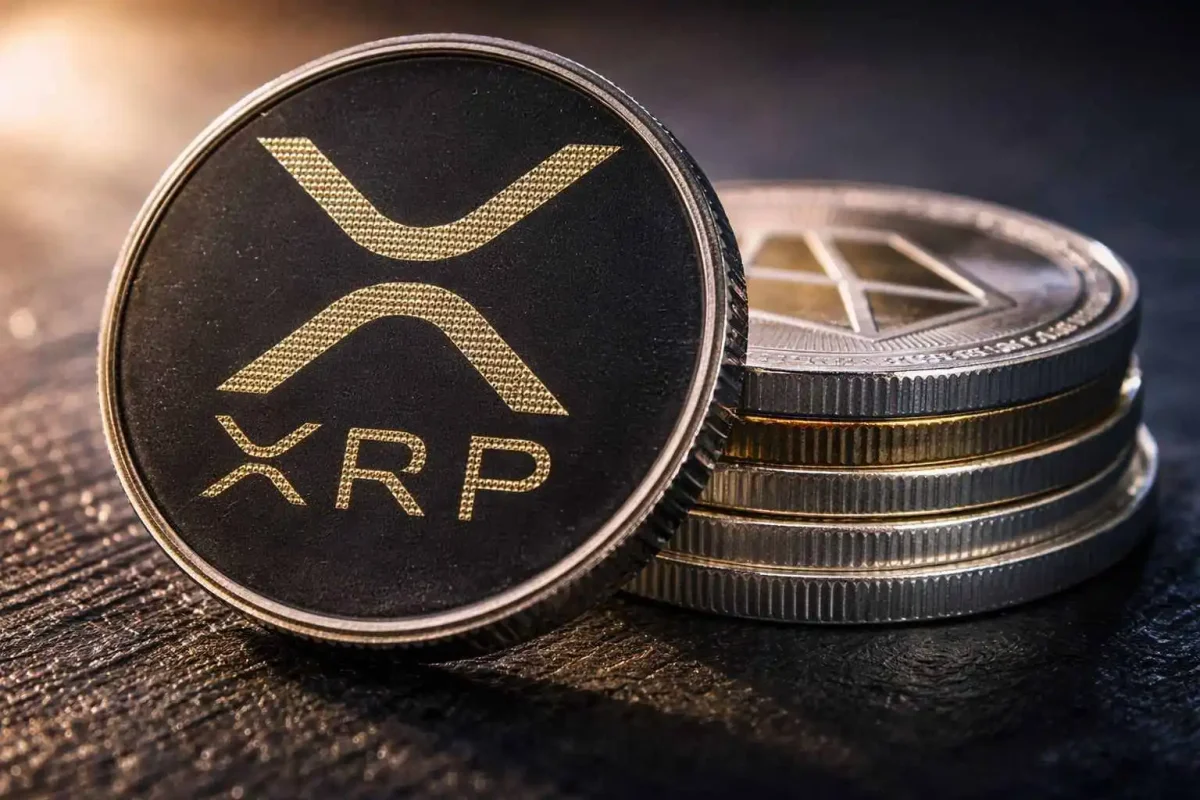
XRP, the digital asset associated with Ripple, traded around $1.37 on Tuesday, marking an increase of approximately 2% to 3% over the preceding 24-hour period. This move extended a weekly advance as market participants appeared to rotate capital into higher-risk segments of the cryptocurrency market. The broader digital asset space saw mixed action, with Bitcoin hovering near the $75,000 level and Ether maintaining a position above $2,300.
Capital Flows Signal Renewed Risk Appetite
The primary catalyst behind XRP's recent price strength appears to be fresh investment. According to data from digital asset manager CoinShares, XRP-linked investment products attracted $19.3 million in new capital last week. This contributed to a substantial $1.1 billion in net inflows across all digital asset investment products globally, representing the largest weekly influx since early January.
James Butterfill, Head of Research at CoinShares, attributed the broad inflow trend to a "rebound in risk appetite" among investors. This shift in sentiment was reportedly driven by geopolitical developments, including signals of a potential ceasefire in Iran, coupled with softer-than-expected U.S. consumer spending and inflation data. Reuters noted that U.S. and Iranian officials could reconvene talks in Islamabad this week, contributing to a stabilization in broader financial markets that saw oil prices and the U.S. dollar weaken.
Bitcoin Maintains Dominance, Solana Sees Outflows
While XRP captured inflows, Bitcoin remained the dominant force, drawing $871 million into its investment products for the week. Ether also saw significant interest, securing $196.5 million in new capital. In contrast, Solana-based products experienced a minor outflow of $2.5 million. The Solana token itself was trading close to $86 on Tuesday.
XRP Ledger Integrates Critical Privacy Feature
Beyond capital flows, XRP received a fundamental boost from a significant technological upgrade to its underlying network. The XRP Ledger (XRPL) recently integrated built-in support for zero-knowledge proof verification through a platform called Boundless. This cryptographic technique allows for the validation of transactions without revealing sensitive private details, such as the amount, frequency, or counterparties involved.
Shiv Shankar, CEO of Boundless, explained to industry media that the platform is designed around "selective disclosure." This functionality enables financial institutions like banks and asset managers to shield specific transaction data from public view on the blockchain, while still preserving the necessary audit trails for regulators. This development directly addresses a long-standing barrier to institutional adoption of public blockchains, which has been the fully transparent and exposed nature of transaction histories.
Price Action Remains Subdued Despite Developments
Despite the positive inflows and technological news, XRP's price action has yet to exhibit decisive bullish momentum. The token's total market valuation stands at approximately $84 billion, securing its position as the fifth-largest cryptocurrency by this metric. However, it remains entrenched more than 60% below its all-time high. Analysts observed that while buyer interest has increased, a convincing and sustained breakout above key resistance levels has not yet materialized.
Market observers continue to highlight underlying risks. Linh Tran, an analyst at XS.com, told Barron's that the crypto market currently "lacks a strong foundation to sustain an uptrend." Persistent headwinds include lingering geopolitical tensions, slower-than-anticipated institutional adoption rates, and market expectations that interest rates may remain elevated for an extended period.
Supply Dynamics Add Uncertainty
Adding a layer of uncertainty to the market are notable movements of the token's supply. On Monday, a substantial transfer of 89.8 million XRP—valued at roughly $119 million at the time—was identified moving to a digital wallet address associated with the major U.S. exchange Coinbase. Such large-scale transfers, often executed by so-called "whale" investors, typically garner significant attention from traders. They are frequently interpreted as potential precursors to selling pressure or indicative of a major portfolio reallocation.
In summary, XRP is currently benefiting from a confluence of positive capital flows and a meaningful upgrade to its network's utility for financial institutions. However, the token continues to grapple with significant overhead price resistance, macroeconomic concerns, and unpredictable supply-side activity. The immediate question for traders is whether the recent influx of capital and the ledger's enhanced privacy features can provide sufficient support to overcome these challenges, particularly if the broader macro-driven rally in risk assets begins to fade.