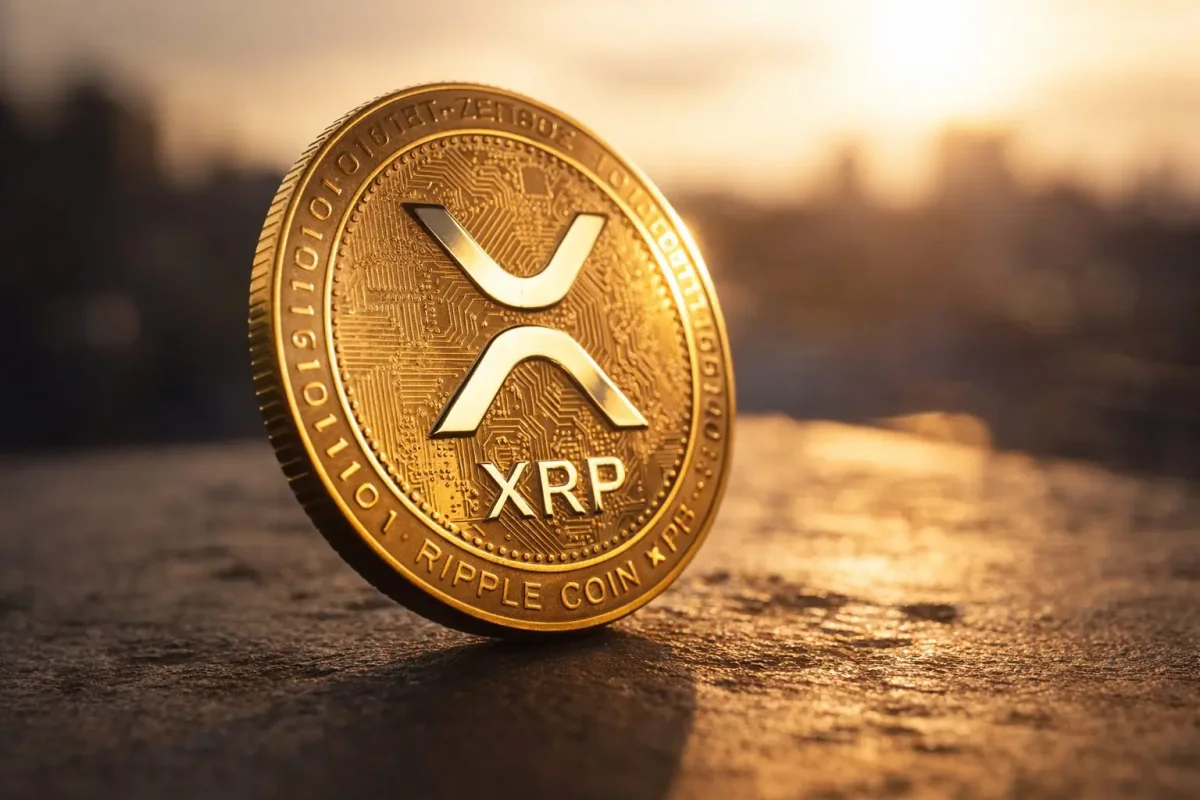
XRP, the digital asset associated with Ripple, posted a notable gain of approximately 3.4% on Friday, reaching a trading level near $1.41. The token's 24-hour trading volume was substantial at $2.8 billion, contributing to a total market capitalization hovering around $86 billion, which currently ranks it as the fourth-largest cryptocurrency by market value. This upward movement followed a broader recovery across digital asset markets, which had experienced significant pressure during the previous trading session.
Market Context and Macroeconomic Drivers
The rebound in cryptocurrency prices, including a 4.16% rise for Bitcoin, was largely attributed to the latest U.S. inflation data, which came in softer than some market participants had anticipated. This development provided relief to risk assets, which had sold off in unison on Thursday. Following the data release, market pricing via fed funds futures indicated a nearly 70% probability of an interest rate cut by the Federal Reserve at its June policy meeting. Analysts noted that with consumer price inflation appearing contained, the focus for monetary policy would likely shift back to labor market conditions. The broader market sentiment remains a key driver for digital assets, reinforcing their correlation with traditional risk-on assets during periods of economic uncertainty.
Institutional Adoption: Ripple and Aviva Investors Announce Tokenization Initiative
Concurrent with the price action, a significant development emerged from the institutional sector. Aviva Investors, a major global asset manager, announced a partnership with Ripple to explore the tokenization of traditional fund structures on the XRP Ledger. This initiative aims to convert fund units into digital tokens that can be tracked and traded on a blockchain, a process proponents argue can enhance efficiency and reduce costs for investors. Jill Barber, Chief Distribution Officer at Aviva Investors, stated the collaboration is driven by a belief in the tangible benefits tokenization can deliver. Ripple framed the partnership as a critical step in its broader strategy to migrate real-world assets onto its decentralized ledger, with company executives noting the industry's shift from experimental phases toward large-scale production.
The XRP Ledger itself reported a robust operational history, having processed over 4 billion transactions since 2012. The network currently supports more than 7 million active wallets and is maintained by a decentralized network of 120 independent validators, underscoring its established infrastructure for such enterprise-level applications.
Exchange Integration and Stablecoin Developments
Further supporting network utility, the major cryptocurrency exchange Binance completed the integration of Ripple USD (RLUSD) via the XRP Ledger network and began accepting deposits for this dollar-pegged stablecoin. The exchange noted that withdrawal functionality would be enabled once sufficient liquidity is established on the platform. This integration facilitates easier access and movement of value tied to the XRP ecosystem.
In a related technical upgrade, RippleX announced the launch of the Token Escrow feature (specification XLS-85) on the XRPL mainnet. This enhancement extends native escrow capabilities beyond the XRP token to other assets issued on the ledger. The functionality allows users to programmatically lock tokens until predefined conditions are met, a feature with significant implications for complex settlement processes and collateral management in financial applications.
Trader Sentiment and Forward-Looking Risks
For market participants, the central question revolves around whether XRP's price will continue to be predominantly influenced by macroeconomic factors as a risk-correlated asset, or if growing network adoption and specific use-case developments will begin to exert a more dominant influence on its valuation. Historically, this relationship has been complex, with price action often preceding fundamental data.
The primary risks to the current positive momentum are relatively clear. Should expectations for imminent Federal Reserve rate cuts recede, or if another sharp downturn occurs in equity markets, alternative cryptocurrencies like XRP could face rapid selling pressure. Furthermore, while the announced tokenization projects represent significant long-term potential, they are not expected to generate substantial trading volume or network fee revenue immediately. The realization of these benefits will be a gradual process.
Market attention is now divided between the upcoming Federal Open Market Committee meeting on March 17-18, where officials may provide guidance that challenges current market expectations for a June cut, and the practical rollout timeline for Aviva's tokenization plans. Additionally, liquidity conditions for RLUSD will be closely monitored to assess its capacity to facilitate sizeable withdrawals and support real-world settlement activity.