The yield on the 30-year U.S. Treasury bond climbed to its highest level in nearly two decades on Thursday, following the Federal Reserve's decision to maintain its benchmark interest rate. The long-term bond yield touched 5.247% during the session, a mark not seen since 2007, before settling at 5.231% as of 6:49 a.m. EDT. This represents a 2.7 basis point increase from the previous close.
Real Yields Drive the Rally
The persistent rise in long-term yields has been fueled almost entirely by real yields—the inflation-adjusted component of nominal rates. According to official Treasury data, real yields accounted for approximately 93% of the 30-year bond's gain since June 17. Over the same period, the 20-year maturity saw 81% of its move driven by real yields, while the 10-year note's entire 18-basis-point increase was attributed to real yields, with inflation compensation unchanged.
This divergence has significant implications for investors. Higher real yields increase required returns across asset classes, benefiting cash and short-term debt while pressuring long-duration bonds and high-valuation equities. The trend has persisted for six consecutive weeks, signaling a sustained shift in market expectations.
Steepening Yield Curve
Early trading on Thursday revealed a pronounced steepening of the yield curve. The yield on the policy-sensitive two-year note declined by 0.6 basis points to 4.275%, while longer-dated maturities rose. The spread between two-year and 30-year yields widened to approximately 95.6 basis points, reflecting increased selling pressure on long-duration bonds and a softening in short-term rate expectations.
Fed Decision and Market Reaction
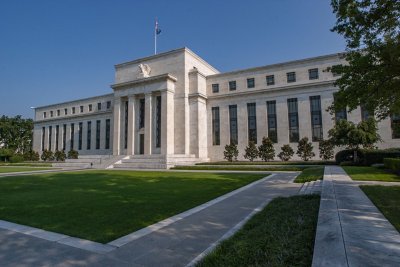
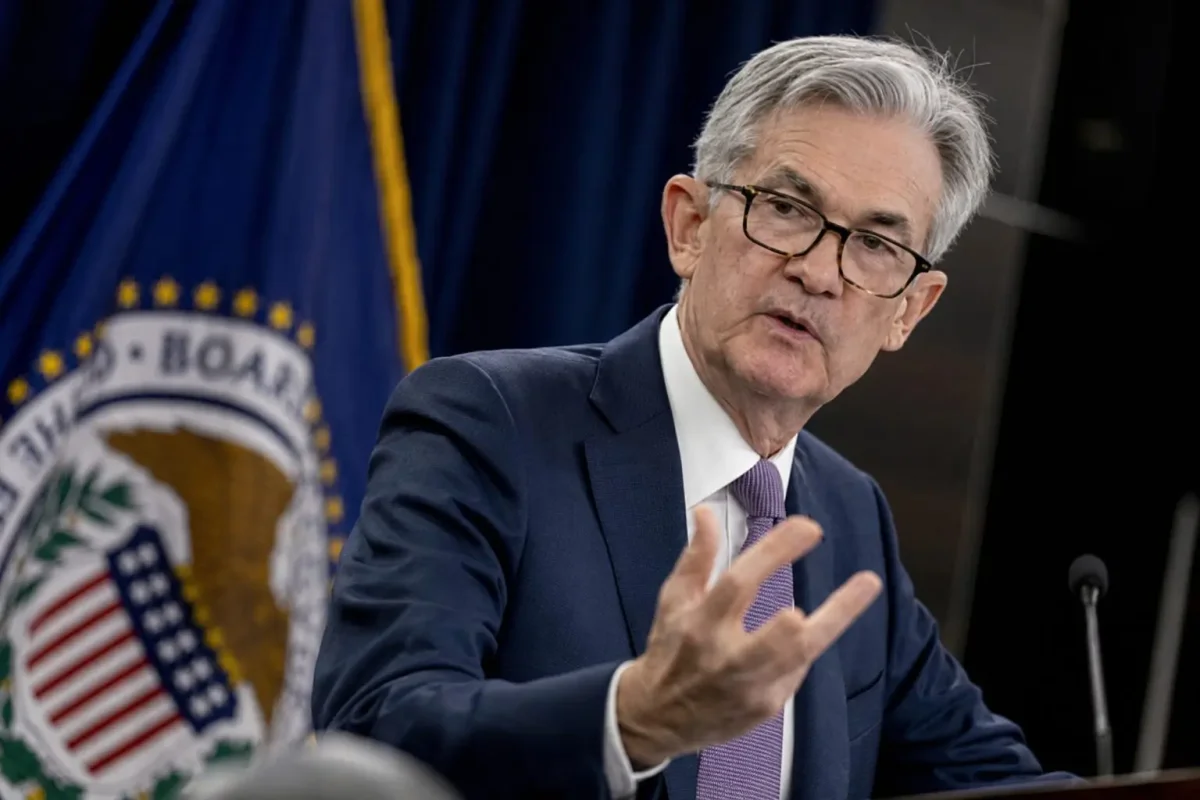
The Federal Open Market Committee (FOMC) voted 9-3 to keep the target range for the federal funds rate at 3.50% to 3.75%. Three dissenting members—Beth Hammack, Neel Kashkari, and Lorie Logan—favored a 0.25 percentage point increase. In his post-meeting press conference, Fed Chair Kevin Warsh noted that markets were beginning to "play the ball, not the referee," emphasizing that policymakers would act as needed.
Market pricing for future rate hikes has been volatile. Prior to the July meeting, there was a 36% probability of an immediate hike, which surged to 77% for a September move after the decision. By early Thursday, that probability had settled at 69%, with roughly 35 basis points of additional tightening priced in through year-end.
Global Impact and Equity Markets
The repricing extended beyond U.S. borders, with Germany's 30-year Bund yield climbing to 3.687%, a two-month high. On Wall Street, equity markets felt the pressure, with the Dow Jones Industrial Average falling 2.2% on Wednesday, the S&P 500 declining 1.5%, and the Nasdaq Composite retreating 1.7%.
Investor concerns were summed up by Calvin Tse, head of U.S. strategy at BNP Paribas, who questioned the Fed's stance: "If he is tough on inflation as he says, why has he not already acted?"
Outlook and Risks
The trajectory of long-term yields will depend on upcoming labor and inflation data, which will shape expectations for the September meeting. If real yields remain at current levels, financial conditions will stay tighter than in June, even without further rate hikes. However, risks remain: weaker economic data could reverse the recent selloff in long-duration bonds, while a fresh surge in oil prices might lift inflation expectations and push yields even higher.