Gold demonstrated notable resilience on Friday, climbing back toward the $4,400 level even as a hotter-than-expected inflation report reinforced expectations for a Federal Reserve interest-rate hike. The precious metal's ability to advance in the face of rising rate pressures underscores the complex dynamics currently driving bullion markets.
At 15:22 GMT on September 11, spot gold was trading up 1.2% at $4,366.69 per ounce, while U.S. gold futures were quoted at $4,409.30, according to Reuters market data. A delayed front-month quote later showed $4,408.90 at 20:59 UTC. Despite this rebound, gold still posted a weekly loss of 1.4%, but the recovery kept the metal near the psychologically significant $4,400 mark ahead of the Federal Reserve's September 15-16 policy meeting.
Inflation Data Raises the Bar for Gold
The Bureau of Labor Statistics reported that the consumer-price index (CPI) rose 0.4% in August from the previous month, while the annual inflation rate held steady at 3.4%. Core prices, which exclude volatile food and energy components, increased 0.3% month-over-month and 2.4% year-over-year. Energy prices were a key driver, with the index jumping 2.1% in August, led by a 3.9% surge in gasoline costs.
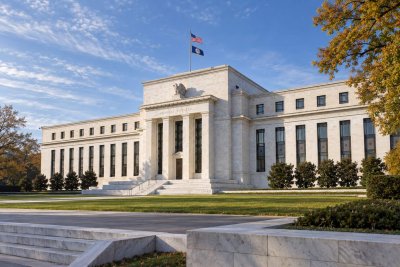
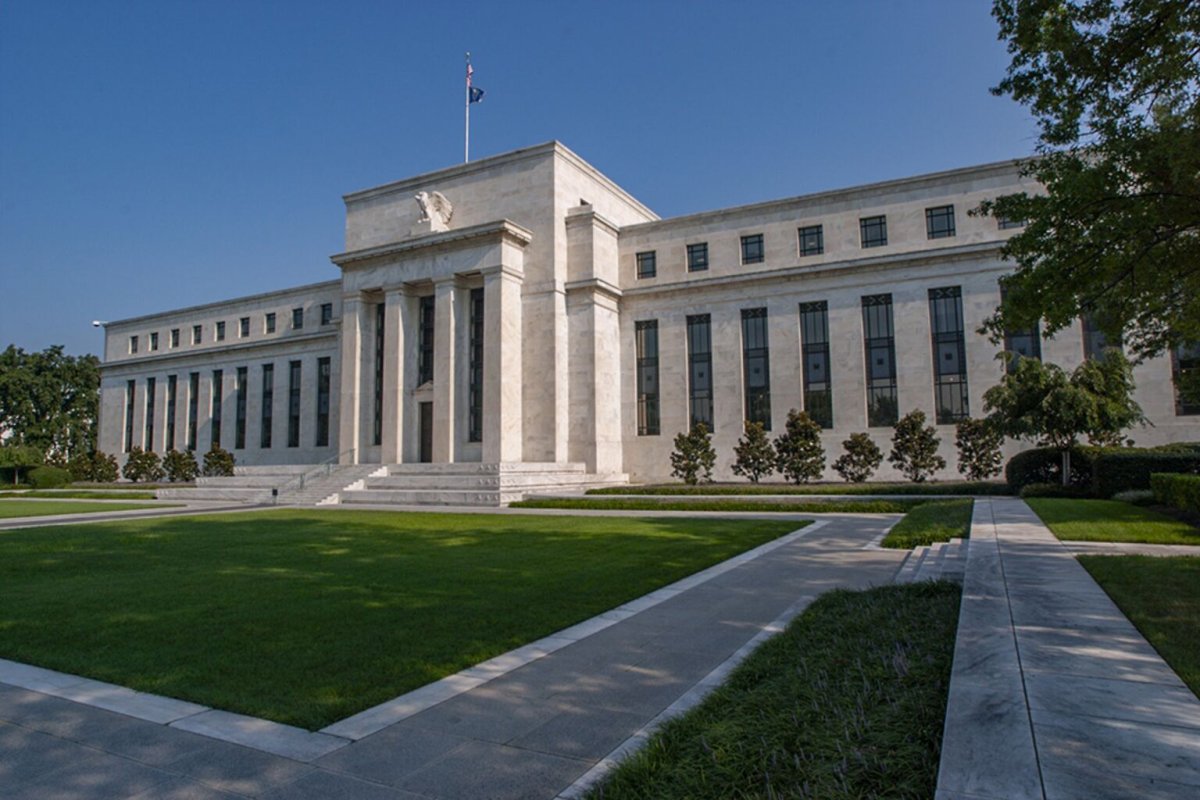
This inflation mix strengthened the case for a rate increase. By Friday, futures markets implied roughly an 85% probability of a quarter-point hike at the upcoming Fed meeting, according to Kiplinger's post-CPI analysis. The reaction was most pronounced at the short end of the Treasury yield curve, with the two-year par yield finishing at 4.63% on September 11, up from 4.37% a week earlier. The 10-year yield also climbed to 4.96% from 4.78% over the same period.
Gold pays no interest, so higher inflation-adjusted yields can increase the opportunity cost of holding the metal. However, this relationship is not mechanical. Safe-haven buying, central-bank demand, and currency movements can overwhelm this effect for extended periods. Friday's price action suggests that gold is finding support despite the market's repricing of tighter monetary policy, which makes the recovery more meaningful than a simple "inflation hedge" narrative.
Fed Decision: Rate Path Matters More Than the Hike Itself
The upcoming Fed meeting will include a new Summary of Economic Projections and a press conference, providing investors with a comprehensive view of policymakers' expectations. For bullion, the projected rate path, inflation forecasts, and the chair's guidance are at least as important as the immediate decision itself.
Market participants will scrutinize the two-year yield after the announcement to gauge the market's interpretation of the Fed's stance. A hike accompanied by a falling two-year yield would signal that investors expect limited follow-through tightening, which could support gold. Conversely, a rising two-year yield and a stronger dollar would indicate that further rate increases are likely, potentially pressuring bullion.
GLD and Miners: Different Exposure Profiles
For investors using exchange-traded funds like the SPDR Gold Shares (GLD), the policy trade is relatively straightforward, as the fund is designed to track bullion prices less expenses. Gold miners, on the other hand, offer operating leverage but also introduce additional risks, including local currency fluctuations, fuel and labor costs, capital expenditure requirements, and equity-market volatility. A higher gold price can expand a miner's margins only if these costs do not erode the gains.
The bearish case for gold is clear: if the Fed validates inflation concerns with both a rate hike and a higher projected path, Friday's rebound could prove to be short covering rather than durable demand. However, the price action itself provides a counterargument—gold absorbed a sharp rise in short-term yields and still recovered. The September 16 decision will be the ultimate test of which force prevails.