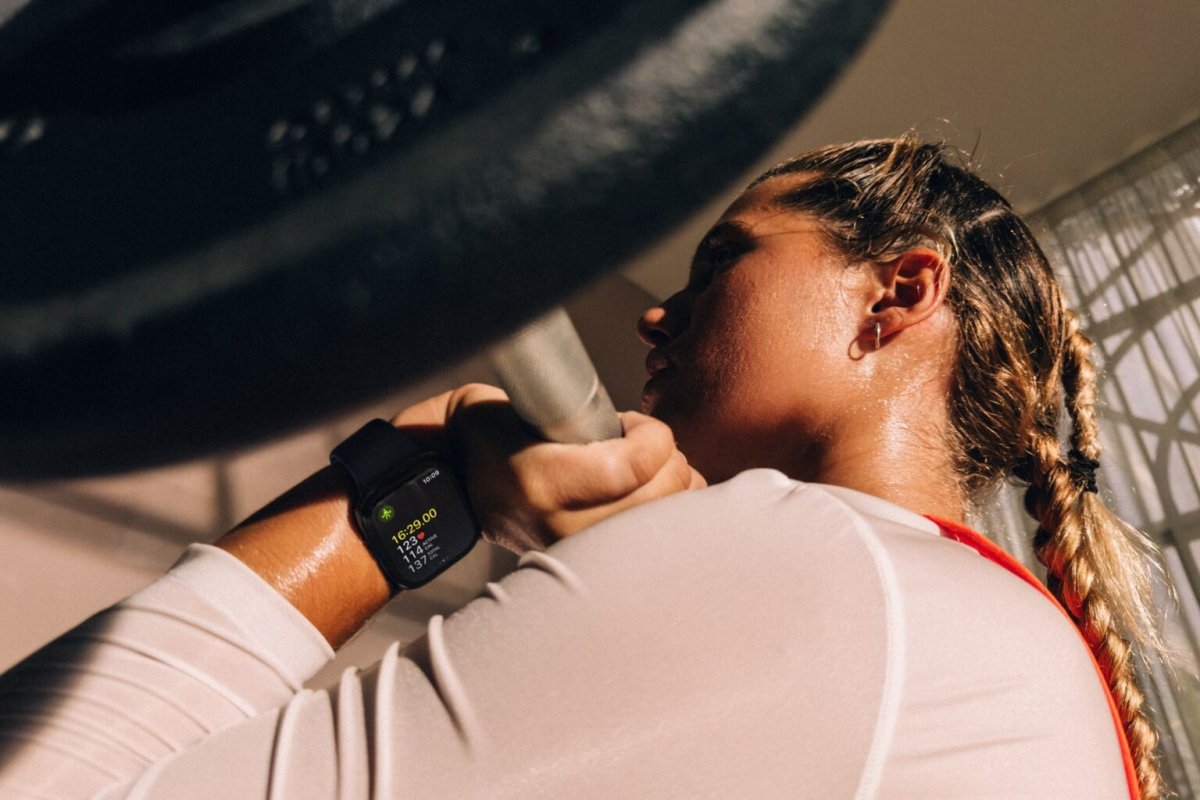
Apple's latest smartwatch, the Series 12, is now available for preorder at a $399 starting price in the U.S., hitting store shelves on September 18. That price point matches the entry-level cost of last year's Series 11, signaling that Apple is not looking to drive revenue through a higher sticker price. Instead, the company is betting on a more advanced health sensor suite to convince existing users to upgrade, even as the wearables category has recently lagged behind the company's overall growth.
Apple shares closed Friday, September 11, at $332.27, up 1.75%, according to end-of-day market data. However, that move can't be solely attributed to the Watch launch; Apple unveiled a wide range of new hardware this week, and U.S. equities also rebounded. The more telling signal lies in the product's economics rather than a one-day stock reaction.
The Upgrade Story: Health Hardware, Not a Higher Price
The core pitch for the Series 12 is its new Health Sensing System and the S11 chip. Apple claims the watch can measure heart rate every five seconds during the day and sample heart-rate variability as often as every five minutes, supporting a new Readiness score. The company also touts up to 10 hours of outdoor-workout battery life, a 25% improvement over the previous model, while everyday battery life remains rated at up to 24 hours.
That combination matters commercially. Apple has kept the most accessible flagship price even as it added a new sensor array, tougher cover glass on aluminum models, and more health analysis. Since the Series 11 also started at $399, any top-line growth must come from selling more units, a richer mix of cellular, titanium, or ceramic configurations, or accessories—not from a base price increase.
There is also a serious counterargument: many software-led health features flow through watchOS and the redesigned Health app, giving owners of recent watches little reason to replace working hardware. The Series 12's specific appeal, therefore, hinges on whether buyers value the higher-frequency sensing, Readiness data, and longer workout endurance enough to pay for a new device. The unchanged 24-hour everyday battery rating leaves a familiar weakness intact for users comparing multi-day wearables.
The Segment Math Keeps Expectations Grounded
Apple does not disclose Watch revenue or unit shipments. It reports the device inside Wearables, Home and Accessories, together with products including AirPods and home hardware. That category generated $7.883 billion in the June quarter, up 6% from $7.404 billion, while total Apple revenue rose 16% to $109.417 billion, according to the company's latest Form 10-Q.
Our calculation puts the category at 7.2% of quarterly sales. Over the first nine months of fiscal 2026, Wearables, Home and Accessories revenue increased by $604 million to $27.277 billion, while Apple's total revenue increased by $50.662 billion. In other words, the category supplied only about 1.2% of the company's year-over-year dollar growth in that period. A successful watch cycle would improve the mix, but it cannot carry an investment thesis built around a company valued near $4.85 trillion at Friday's close.
The more persuasive upside case is ecosystem value. A compelling health upgrade can keep an iPhone owner inside Apple's hardware-and-services loop, support accessory sales, and deepen use of health and fitness software. Those benefits are real but difficult to isolate in reported numbers, which is why claims that the Series 12 alone changes Apple's growth rate deserve skepticism.
What to Watch Next
The first read will be preorder availability and delivery times across major configurations, but those signals can reflect supply as well as demand. The cleaner financial test comes later: Wearables, Home and Accessories needs to accelerate from its 2% nine-month growth rate without sacrificing companywide margin. Because retail availability begins late in September, the December quarter should provide a fuller sell-through window than Apple's final fiscal weeks. If category growth remains in the low single digits through the holiday period, the Series 12 will look more like a useful retention product than a material new engine for AAPL.