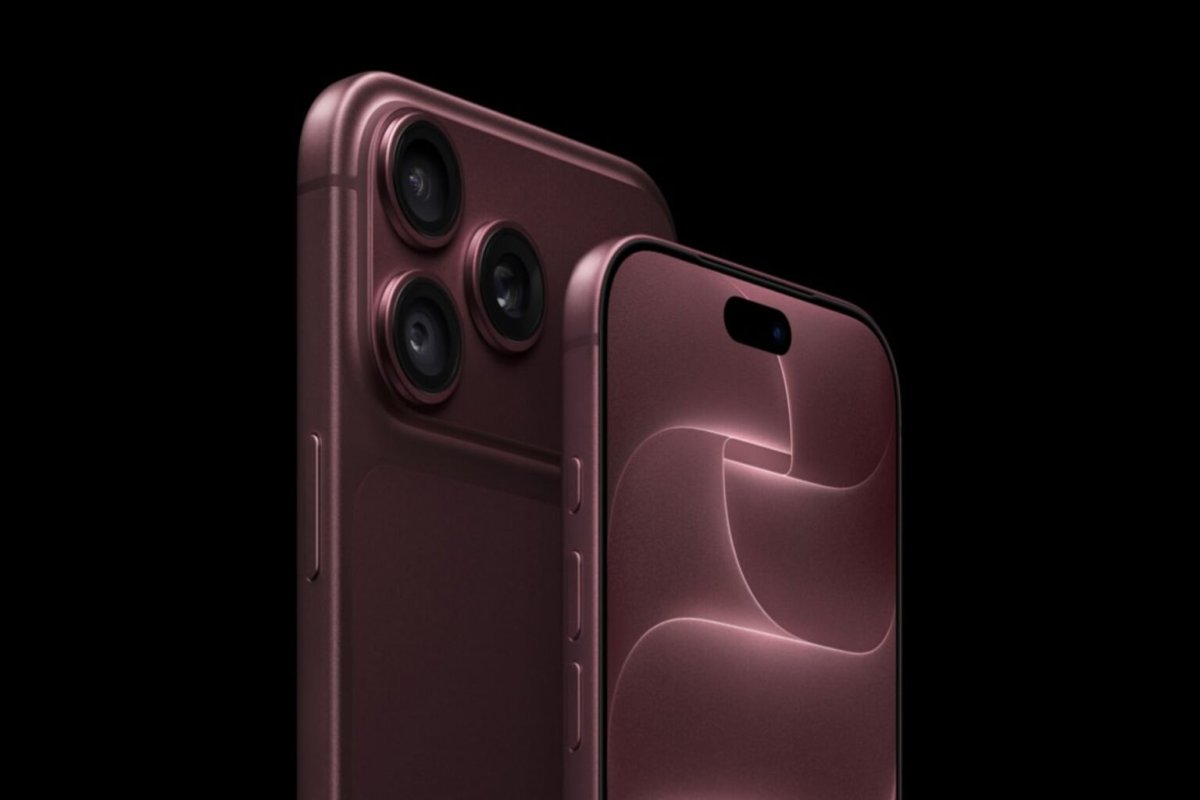
Apple Inc. (AAPL) is set to begin preorders for its flagship iPhone 18 Pro Max on Saturday at 5 a.m. Pacific (8 a.m. Eastern). The new device carries a U.S. starting price of $1,299, an 8.3% increase over the previous model's $1,199 launch price. This price hike provides a mathematical cushion: unit volume could decline by as much as 7.7% before list-price revenue falls below the prior year's level.
The arithmetic is straightforward: dividing $1,199 by $1,299 yields roughly 0.923, meaning Apple needs to sell about 92.3 new phones for every 100 sold last year to maintain comparable revenue. This break-even calculation, while illustrative, is not a sales forecast. It assumes a consistent storage mix and no changes in promotional discounts. Apple does not disclose iPhone unit shipments, and list-price revenue is not equivalent to reported revenue, which includes various adjustments.
Pro Models Driving Growth
The importance of the Pro lineup cannot be overstated. In the quarter ended June 27, iPhone sales surged 22% to $54.25 billion, accounting for nearly half of Apple's total quarterly revenue of $109.42 billion. Apple attributed this growth primarily to higher sales of Pro models, underscoring the critical role these premium devices play in the company's hardware performance.
New Features and Pricing Strategy
Beyond the price increase, the iPhone 18 Pro Max introduces several enhancements. According to Apple's launch release, the device is powered by the A20 Pro chip, fabricated on a 2-nanometer process, and features a 48-megapixel main camera with variable aperture. Battery life is rated at up to 45 hours of video playback. Storage options range from 256GB to 2TB, with availability beginning September 18.
Apple is also attempting to soften the sticker shock through financing and trade-in incentives. The $1,299 phone is advertised at $54.12 per month over 24 months. Trade-in credits range from $175 to $885 for an iPhone 13 or later, while select U.S. carriers offer up to $1,200 in bill credits with an iPhone 14 or later. These incentives could support upgrades, but they also complicate early assessments of true consumer price sensitivity.
Margin Pressures and Tariff Impacts
The price increase does not automatically resolve margin concerns. Apple's product gross margin reached 40.1% last quarter, up from 34.5% a year earlier, but the company noted that tariff refunds contributed to this improvement. Higher component costs, particularly memory, partially offset those gains. The $100 price bump can help protect revenue even as component inflation pressures profit per unit.
This dynamic forms the strongest counterargument to the 7.7% cushion. A consumer who opts for a cheaper model, accepts a heavily subsidized carrier deal, or chooses Apple's upcoming $1,999 foldable iPhone Duo could alter both product mix and overall economics. GF Securities analyst Jeff Pu expects the Duo to support the cycle but remains cautious on Pro and Pro Max demand and margins. A report citing his note projected fourth-quarter build forecasts of 57 million iPhone 18-series units and 76 million total iPhones, 7% below the prior year.
Market Reaction and Early Indicators
Investors have responded positively to the broader launch. Apple shares closed Friday at $332.27, up 1.7% for the session and 5.4% from Wednesday's pre-event close, based on delayed market data. The two-day advance followed the company's September 9 product event, but it does not confirm that customers have accepted the new pricing.
The first meaningful signals will emerge after preorders open, with changes in quoted delivery dates across color and storage configurations offering early clues. However, a launch-day sellout could reflect constrained supply rather than exceptional demand. The more definitive evidence will arrive in Apple's holiday-quarter iPhone revenue and product margin. If revenue holds steady with a unit decline of less than 7.7% for the Pro Max, the pricing strategy will appear validated. Conversely, a larger volume drop or weaker product margin would suggest the cushion was largely theoretical.