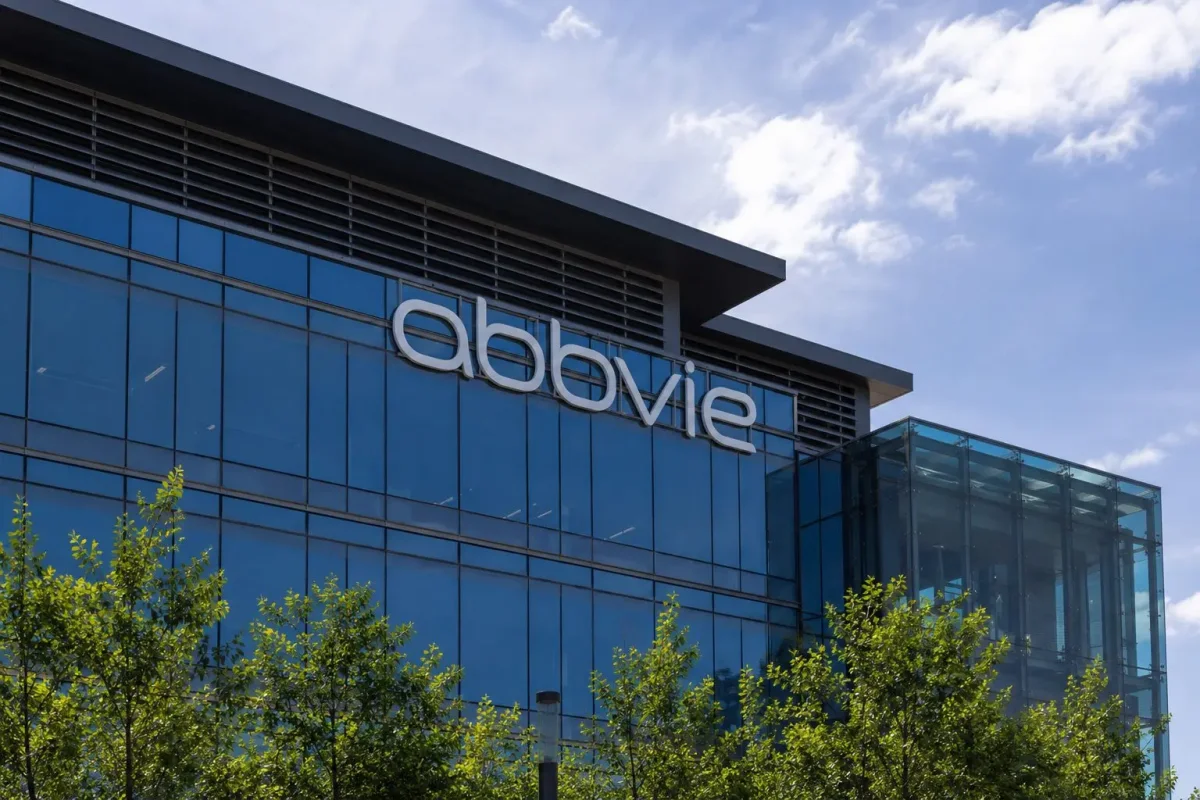
AbbVie Inc. (NYSE: ABBV) saw its market capitalization surge by approximately $17.8 billion on Thursday, eclipsing the total value of its recent $10.9 billion acquisition of Apogee Therapeutics. The drugmaker's shares closed at $261.07, up 3.99%, after hitting a fresh 52-week high of $261.64 during the session. The rally added roughly $10.01 per share based on about 1.77 billion shares outstanding.
The stock's performance outpaced key analyst targets, closing above the 12-month consensus of $256.14 from Investing.com's 28-analyst average, the three-month average of $258.28 from Google Finance, and RBC Capital's $260 price target. With shares now trading above these levels, the focus shifts to whether analysts will raise their estimates before or after AbbVie's second-quarter earnings report on July 31.
The catalyst for the move was AbbVie's June 22 announcement that it would acquire Apogee Therapeutics (NASDAQ: APGE) for $135.11 per share in cash, valuing the deal at roughly $10.9 billion. The transaction, expected to close in the third quarter pending regulatory and shareholder approvals, is projected to boost adjusted diluted earnings per share starting in 2032. J.P. Morgan analyst Chris Schott noted the deal should resonate with investors focused on late-stage growth assets, while RBC's Brian Abrahams called AbbVie the 'ideal acquirer' for Apogee's lead drug.
AbbVie CEO Robert Michael described the acquisition as an 'excellent fit' and highlighted Apogee's pipeline as having 'mega-blockbuster' sales potential—meaning more than $10 billion in annual revenue. Apogee CEO Michael Henderson said in a joint statement that the deal 'delivers substantial shareholder value.' The stock's single-day value gain of $17.8 billion is approximately 1.6 times the deal's total value, underscoring investor enthusiasm.
On Thursday, AbbVie outperformed the broader healthcare sector. The Health Care Select Sector SPDR Fund (NYSEARCA: XLV) rose 2.65%, while Johnson & Johnson (NYSE: JNJ) gained 3.57%, Pfizer (NYSE: PFE) added 1.84%, and Amgen (NASDAQ: AMGN) climbed 3.55%. AbbVie traded 6.8 million shares, below its 50-day average of 7.3 million. The S&P 500 (INDEXSP: .INX) was flat, while the Dow Jones Industrial Average (INDEXDJX: .DJI) added 1.14%.
The real test for shareholders lies ahead. While the Apogee deal addresses a potential gap in AbbVie's pipeline, the company's near-term growth hinges on its immunology portfolio. In the first quarter, Skyrizi sales surged 30.9% to $4.483 billion, and Rinvoq rose 23.3% to $2.119 billion, partially offsetting a 38.6% decline in Humira sales to $688 million. RBC noted in a Wednesday research report that hedge-fund bearish bets have declined since Q1, but the bank said the main driver for momentum will be whether Q2 Skyrizi and Rinvoq sales beat consensus estimates.
AbbVie is scheduled to release its Q2 results before the market opens on July 31, with a conference call at 8 a.m. Central Time. The call could be a high-stakes event, as the stock already appears to price in deal benefits, an improved outlook for immunology, and recent analyst price target upgrades. U.S. stock markets will be closed on Friday, July 3, for the Independence Day holiday, with normal trading resuming on Monday.