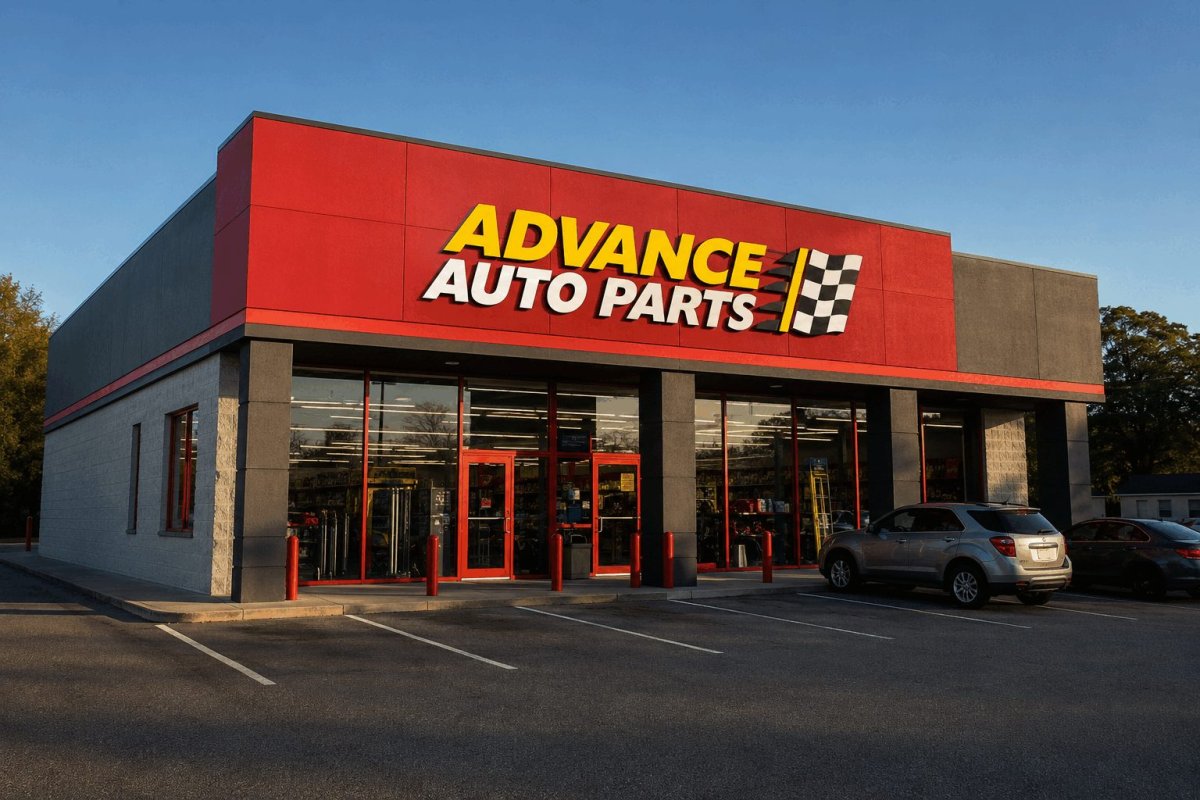
Advance Auto Parts (NYSE: AAP) experienced a dramatic sell-off last week, with shares plummeting 24.7% after the company's second-quarter results revealed a significant underlying earnings miss that was masked by a one-time tariff refund. The automotive aftermarket retailer saw its market value erode by an estimated $851 million, closing Friday at $42.58, down from $56.55 on August 14.
Earnings Quality Under Scrutiny
The reported adjusted earnings per share (EPS) of $1.03 surpassed the consensus estimate of $0.81, but a closer examination reveals that a $26 million tariff refund contributed approximately $0.31 per share, or roughly 30% of the reported figure. Excluding this one-time benefit, adjusted EPS would have been approximately $0.72, falling 11% short of expectations. This earnings-quality gap has raised red flags among investors and analysts alike.
Sales and Margin Analysis
Net sales for the quarter totaled $2.00 billion, a slight decline from $2.01 billion in the prior-year period. Comparable-store sales fell 0.5%, with professional demand growing at a low-single-digit rate, but this was offset by weaker do-it-yourself (DIY) spending. CEO Shane O'Kelly acknowledged the impact, stating, "Tighter household budgets constrained spending more than we anticipated," and identified the final four weeks of the quarter as the weakest period.
Despite the sales shortfall, margins showed improvement. Adjusted operating income rose to $112 million from $61 million, and the adjusted operating margin expanded to 5.6% from 3.0% a year earlier. Even after subtracting the tariff refund, the implied margin was approximately 4.3%, indicating operational progress.
Guidance and Cash Flow
The company maintained its full-year net sales guidance of $8.485 billion to $8.575 billion and comparable sales growth of 1% to 2%. However, it raised its adjusted EPS forecast to $2.60-$3.30, up from the previous $2.40-$3.10, largely due to higher pre-tax interest income. The company also reduced its planned store openings from 40-45 to 30-35.
Cash flow provided a brighter spot, with free cash flow reaching approximately $120 million through 28 weeks, compared to a $201 million outflow in the prior-year period. Net leverage improved to 2.1 times from 2.4 times in the first quarter.
Wall Street Reaction
Analysts responded by resetting price targets rather than downgrading ratings. Eleven firms cut their price targets on August 21, with major brokers including JPMorgan, Morgan Stanley, BMO, UBS, and TD Cowen all maintaining hold-equivalent ratings while reducing their targets. The new targets range from $45 to $55, reflecting a more cautious outlook.
The broader consensus remains a hold, with 25 analysts split between two strong buys, 20 holds, and three sell-equivalent ratings. The average target of $51.16 implies approximately 20% upside from Friday's close.
Market Outlook
Investors will be watching Monday's trading closely, with the first test being $40.66, Thursday's intraday low. A stable base above this level could suggest that the weak DIY outlook is already priced in, while a break below could signal further downside risk.
The key concern is whether professional growth can sustain momentum while household budgets remain tight. The tariff refund will not repeat, and reduced store openings limit one avenue for sales growth. The week ahead will hinge on evidence of organic sales and cash conversion rather than the higher EPS range.
As the market digests these results, the focus shifts to the second half of the year and whether Advance Auto Parts can navigate a challenging consumer environment without relying on one-time benefits.