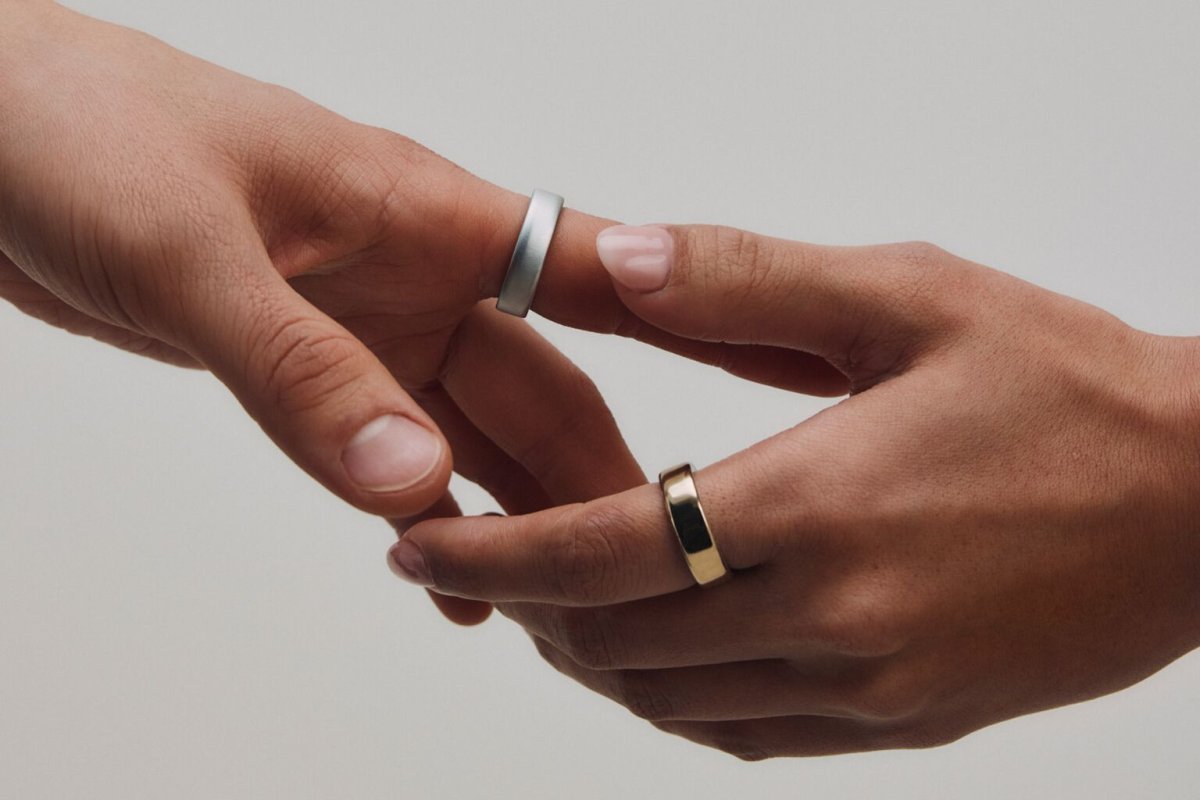
Oura Inc., the wearable health device maker, is set to go public with a $2.1 billion IPO, but the offering is primarily a liquidity event for existing shareholders rather than a growth capital raise. The company plans to sell 50 million shares at a price range of $40 to $44, implying a midpoint valuation of $13.48 billion. However, only 13.5 million shares—27% of the offering—are being sold by the company itself, while the remaining 36.5 million shares (73%) come from selling holders, who will receive all proceeds from those shares.
According to the September 21 prospectus, Oura expects net proceeds of approximately $532.6 million from the primary shares at the midpoint price. But after allocating about $526.4 million for tax withholding related to restricted stock unit (RSU) settlements, only about $6.2 million remains for general corporate purposes. This highlights that the IPO is designed to provide liquidity to early investors and employees, not to fund aggressive expansion.
Share and Proceeds Breakdown
At the midpoint price of $42, the total gross proceeds from the base offering would be $2.1 billion. Of that, primary shares from Oura contribute $567 million, while secondary shares from selling holders account for $1.53 billion. The underwriters also have an option to purchase an additional 7.5 million shares, all secondary, which would add $315 million in gross proceeds, all going to selling holders.
The company has applied to list on the Nasdaq under the ticker symbol OURA. The offering is expected to price soon, and the registration statement is not yet effective.
Valuation and Dilution Concerns
At the IPO price range, the basic post-offering market value is estimated between $12.84 billion and $14.12 billion, based on 320.95 million shares outstanding. This valuation translates to a price-to-sales multiple of approximately 8.3 times annualized revenue, which is rich compared to some peers.
New investors will also face immediate dilution, as the company projects adjusted net tangible book value of negative $0.69 per share at the midpoint, resulting in immediate dilution of $42.69 per share. This negative book value stems from the company's significant intangible assets and accumulated deficits.
Strong Operating Growth
Despite the financial engineering, Oura's underlying business is growing rapidly. Revenue for the nine months ended June 30 surged 74% year-over-year to $1.21 billion, while net income jumped to $60.8 million from just $1.6 million in the prior-year period. Adjusted EBITDA rose 28% to $106.7 million, and gross margin expanded to 55% from 51%.
The company reported 5.0 million paid members across 56 markets, with a weighted 12-month paid-member retention rate of 85%. Daily active users are about 65% of monthly active users, and 40% of members came through organic channels. These metrics underscore the stickiness of its subscription-based model, which is a key driver of recurring revenue.
Market Context and Risks
Oura's IPO comes at a time when wearable and health-tech stocks have faced volatility. The company has no public analyst consensus yet, but investors may look to peers like Apple (AAPL), Garmin (GRMN), and DexCom (DXCM) for valuation benchmarks. Apple's stock has an Outperform rating with a $380 target, Garmin has a Strong Buy with a $370 target, and DexCom has a Buy with a $96 target, according to Benzinga data.
The main risks include the high valuation multiple, the secondary-heavy float, and the potential for weaker retention or regulatory pressures on health data. If the company fails to sustain its growth trajectory, the stock could face significant downside. The next filing will also reveal whether underwriters exercise their overallotment option, which could further increase supply.
As the IPO market continues to show selectivity, Oura's debut will be a test of investor appetite for high-growth but capital-light offerings. The company's ability to maintain its subscription momentum will be crucial in justifying its valuation.