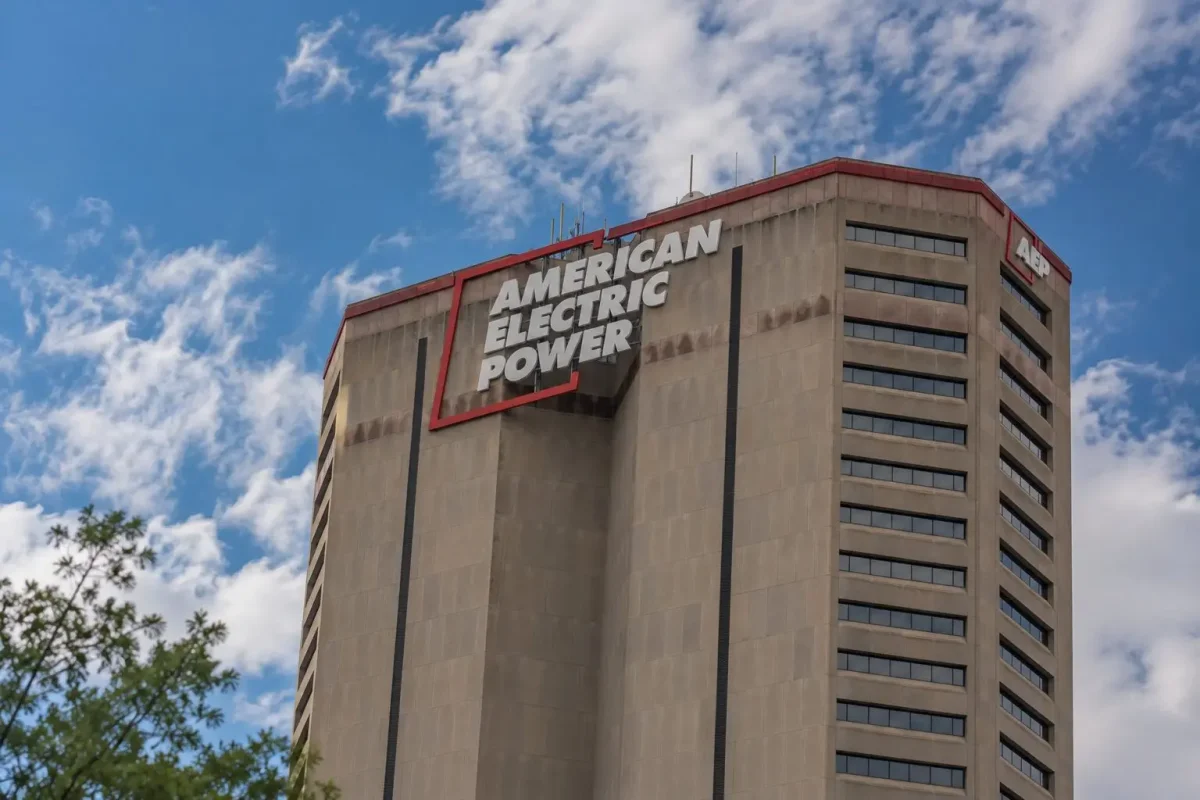
American Electric Power (AEP) has significantly raised its five-year capital spending plan to $78 billion, reflecting a surge in demand from the data center industry. The company recently signed agreements for 7 gigawatts (GW) of new large-energy projects, with expectations of 63 GW of incremental contracted load by 2030, of which nearly 90% is tied to data centers. This shift marks a transformation for the utility, which is no longer viewed solely as a slow-growing regulated entity.
Strategic Restructuring and Regulatory Approvals
AEP completed the restructuring of its stake in the Ohio Valley Electric Corp. (OVEC), transferring power rights from Ohio Power to AEP Generation Resources in two phases. The deal received approval from the Federal Energy Regulatory Commission (FERC) and closed on June 1. OVEC's coal plants, built during the Cold War, had become a financial burden for Ohio ratepayers, who were paying nearly $400,000 daily in subsidies. Last year, state lawmakers voted to end these charges, a move hailed as a victory for consumers by state Representative Casey Weinstein.
Financial Performance and Market Context
AEP shares traded at $127.27 on June 9, up 0.4% for the day, giving the company a market value of approximately $69.6 billion. Over the past 52 weeks, AEP has gained 26.9%, outperforming the Utilities Select Sector SPDR ETF's 9.7% rise and Dominion Energy's 19.5% increase. However, year-to-date, AEP trails Dominion. Analysts maintain a "Moderate Buy" rating on the stock, with a mean price target of $142.76, according to Barchart. The company's P/E ratio of 18.9 is below the industry average of 21.6 for U.S. electric utilities.
Data Center Expansion in Ohio
AEP Ohio and SB Energy are planning a $4.2 billion transmission project to support a 10 GW data center campus at the former Portsmouth gaseous diffusion site in Piketon, Ohio. SB Energy will cover the transmission costs, and power is expected to flow by 2029. The project includes 10 GW of new compute capacity, 9.2 GW of gas generation, and 765-kilovolt transmission lines. A dedicated data center rate structure aims to prevent costs from being passed on to Ohio families and small businesses, a model that energy lawyer Ari Peskoe of Harvard calls a "new way forward." Environmental groups, including the Sierra Club, have expressed concerns about prolonged pollution from the site.
Risks and Execution Challenges
Despite the optimistic outlook, risks remain. Data center demand may not materialize as quickly as anticipated, and regulators could cap cost recovery for grid investments. Local opposition has also emerged; in Ohio, rural residents have petitioned for a statewide constitutional ban on mega data centers, citing environmental, financial, and social concerns. AEP's extensive footprint—serving 5.6 million customers across 11 states and operating nearly 40,000 miles of transmission lines—means that execution will be closely watched by regulators, customers, and investors alike.
CEO Bill Fehrman has described the current period as one of "unprecedented opportunity" while emphasizing an "intense focus on affordability." The company's ability to balance growth with cost control will be critical as the AI-driven power build moves from planning to implementation.