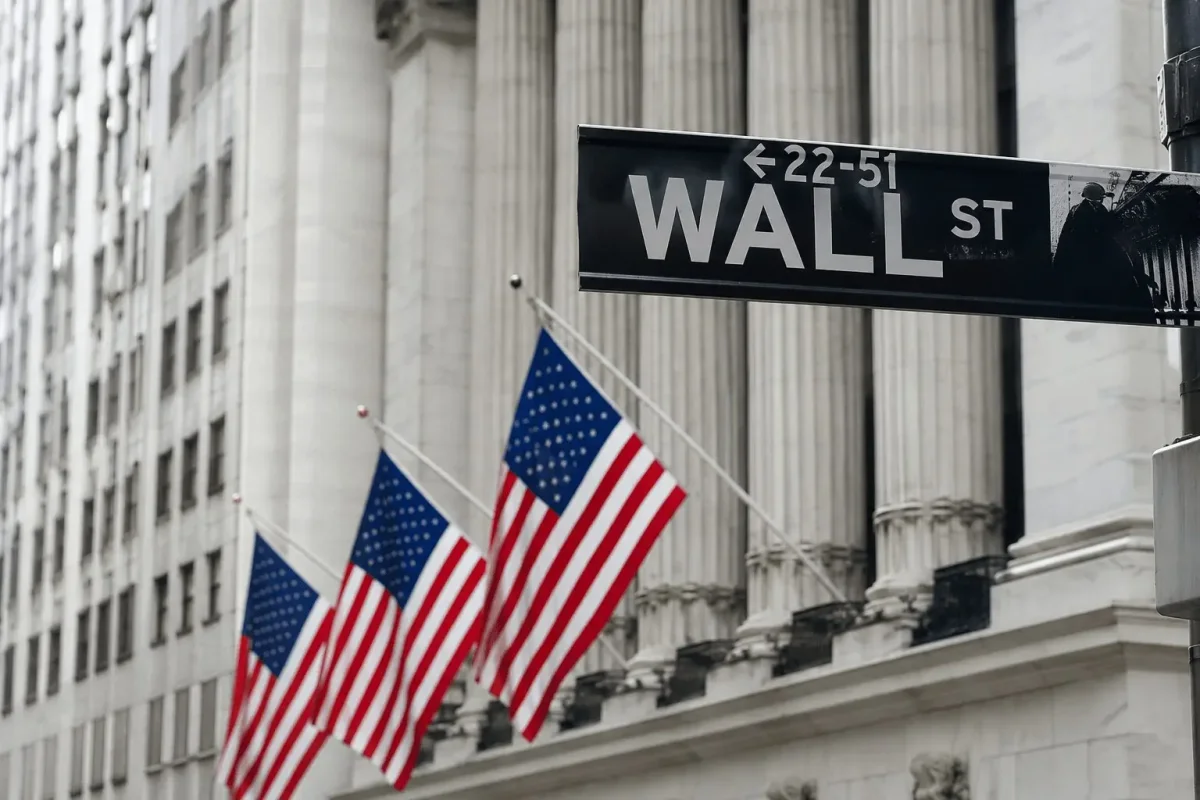
NEW YORK, July 24, 2026 – Wall Street experienced a mixed session on Friday, with the Nasdaq Composite declining 0.6% to 24,995, as investors increasingly focused on the financial sustainability of artificial intelligence investments. The Dow Jones Industrial Average rose 0.2% to 51,826, while the S&P 500 slipped 0.1% to 7,404.
The market's divergence reflects a growing shift in how investors evaluate technology companies. Robust sales growth is no longer sufficient; the market now demands evidence that additional capacity and spending are financially sustainable. This was underscored by the combined second-quarter performance of Alphabet Inc. (NASDAQ:GOOGL) and Tesla Inc. (NASDAQ:TSLA), which together reported $50.7 billion in capital expenditures while generating approximately $7.0 billion in negative free cash flow.
Alphabet's cloud business expanded by 82% during the quarter, but the stock fell nearly 7% on Thursday and recovered only 1.2% by early Friday trading. Tesla shares declined 1.5% to $314.87, reflecting investor concerns about its capital allocation. Saxo Markets strategist Charu Chanana noted that investors are now focused on “whether AI revenue can grow faster than capital expenditure, depreciation and operating costs.”
Intel Corporation (NASDAQ:INTC) provided a clearer illustration of the market's reaction. The stock rose 6% ahead of the opening after forecasting third-quarter revenue between $15.8 billion and $16.8 billion, exceeding analysts' expectations of $15.1 billion. However, the company also increased its 2026 capital spending projection to $20 billion, up from $18 billion, leading to a 3.4% decline for the day.
In contrast, Verizon Communications Inc. (NYSE:VZ) shares rose 2.4% after reporting 184,000 net postpaid phone subscriber additions, well above the FactSet consensus of 103,900. The company raised its free-cash-flow growth outlook to 9%-10%, up from an earlier estimate of at least 7%. Chief Executive Dan Schulman attributed the improvement to “real value rather than subsidized promotions.”
The broader economic backdrop added to the cautious tone. S&P Global's flash composite purchasing managers' index rose to 53.6 from 51.9, but input cost inflation hit its highest level in 14 months. Despite this, the 10-year Treasury yield slipped to 4.665%, and commodity prices declined, with Brent crude falling 3.3% and U.S. crude dropping 2.6%. These moves offered limited relief beyond the technology sector.
The split on Friday followed Thursday's technology selloff. By Thursday, the Dow had fallen 0.83% for the week, putting it on course for a third consecutive weekly decline. Both the S&P 500 and Nasdaq were set for their second straight week of losses.
The focus on cash flow is expected to intensify next week as Microsoft Corporation (NASDAQ:MSFT), Meta Platforms Inc. (NASDAQ:META), Apple Inc. (NASDAQ:AAPL), and Amazon.com Inc. (NASDAQ:AMZN) prepare to report quarterly results. Investors may view their capital allocation strategies as being just as significant as their earnings figures. Risks remain balanced: rising oil prices or higher inflation could push bond yields up, while improved cash flow from Big Tech could swiftly change the market direction.