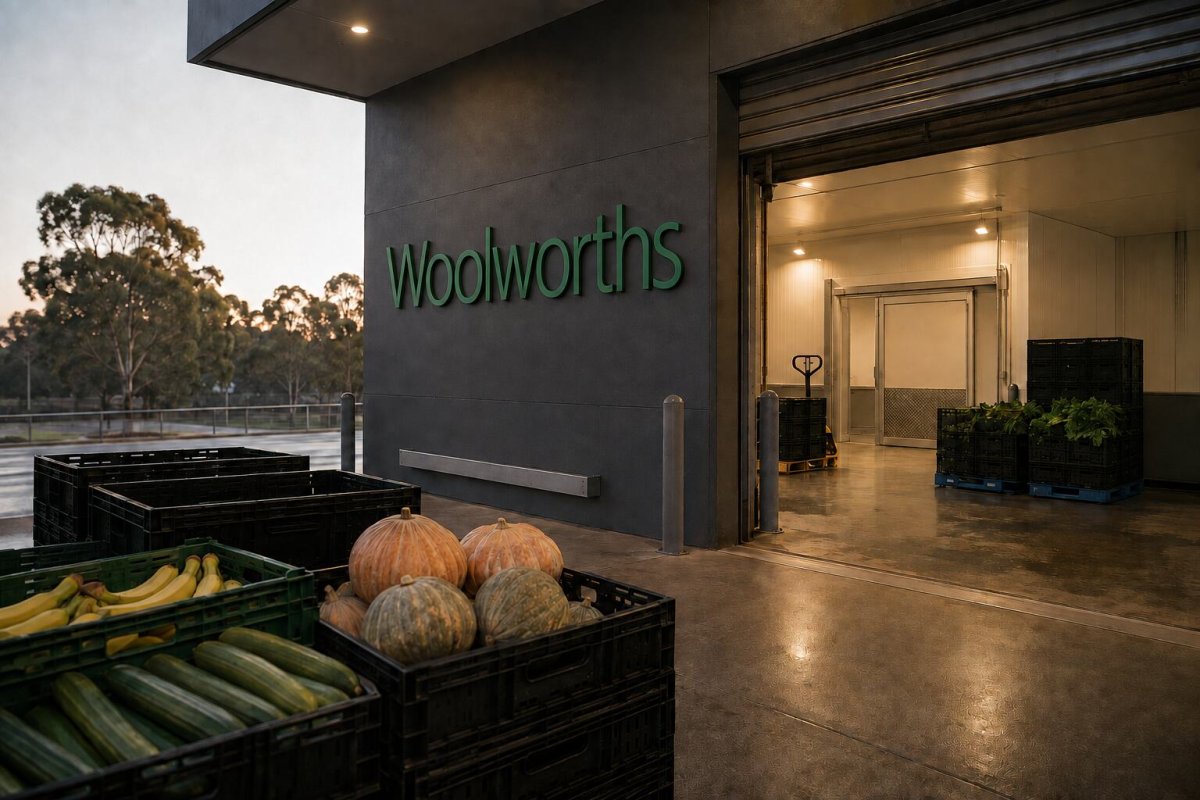
Australia's two largest supermarket chains, Woolworths Group Limited (ASX:WOW) and Coles Group Limited (ASX:COL), are facing mounting criticism from farmers over recent sourcing decisions. The retailers have made changes to their supply chains, but the financial details of these moves remain shrouded in secrecy, making it difficult for investors to assess the potential impact on earnings.
Shares of both companies showed modest declines in Monday's trading session. Woolworths closed at AUD 39.82, down 1.24%, while Coles ended at AUD 23.57, a 0.46% drop. Trading volumes were relatively light, with 1.65 million Woolworths shares and 1.25 million Coles shares changing hands. These price movements are unlikely to be solely attributed to the supplier reports, but they do reflect a cautious sentiment among investors.
Supply Chain Changes Trigger Farmer Backlash
Coles has announced it will terminate its arrangement with Coffs Harbour-based wholesaler Golden Dawn in late October. The wholesaler currently supplies locally grown bananas, cucumbers, and pumpkins. Coles plans to shift its banana sourcing to growers in North Queensland, a move that has upset local producers. Paul Shoker, a local grower, told Nine that approximately 33 businesses in the Coffs Harbour area could be affected. A petition calling for a reversal of the decision has already garnered over 15,000 signatures.
Coles defended the change, stating that it supports a more consistent network-wide operating model. The company emphasized that it will continue to source all bananas from Australian growers, albeit from a different region.
Woolworths, meanwhile, is planning to exit its service-kill relationship with JBS Longford in 2027. Under the current arrangement, Tasmanian-reared beef is transported to the mainland for processing and packaging before being returned to Tasmanian stores. Woolworths said it is working with affected farmers during the transition period.
Adding to the controversy, Woolworths is also removing several dessert lines from Tamar Valley Dairy from its shelves in October, a decision attributed to changing customer demand. No sales figures for these products were provided.
Financial Implications Remain Unclear
The undisclosed contract values and product volumes are a key concern for analysts. Woolworths reported Australian Food sales of AUD 53.852 billion for fiscal 2026, with segment EBIT of AUD 2.953 billion, translating to a 5.5% margin. Coles reported supermarket sales of AUD 41.472 billion and EBIT of AUD 2.365 billion, yielding a 5.7% margin.
One basis point of segment margin is equivalent to approximately AUD 5.4 million for Woolworths and AUD 4.1 million for Coles. The disclosed supplier changes may be relatively small in comparison, but without specific financial data, their true impact cannot be measured.
The regulatory environment adds another layer of complexity. Australia's mandatory Food and Grocery Code requires retailers to provide genuine commercial reasons and reasonable written notice for supplier delistings. Affected suppliers have the right to seek a senior-buyer review or contact the code mediator. The code also mandates due care in forecasting fresh-produce volumes. While no formal allegations of code breaches have been made, the situation bears watching.
Market Context and Outlook
Woolworths' valuation leaves little room for error. At Monday's closing price of AUD 39.82, the stock was trading only 3.3% below its 52-week high and at 30.4 times fiscal 2026 earnings per share of AUD 1.309. Current trading remains strong, with Australian Food sales up 7.6% in the first eight weeks of fiscal 2027. However, the company noted that Disney Ooshies promotional items contributed an estimated 1.5 to 2 percentage points to that growth, leaving underlying growth at approximately 5.6% to 6.1%.
The next major test will be the first-quarter sales announcement on October 28. If underlying growth remains stable, it would suggest that the regional sourcing dispute is contained. However, formal supplier complaints, weaker product availability, or further local product exits could signal a broader problem.
For now, the evidence does not point to a profit warning, but the lack of transparency around contract values prevents a definitive conclusion. With Woolworths trading at a premium multiple, investors will be closely monitoring the situation for any signs of escalation.
