Apple Inc. (NASDAQ:AAPL) is reportedly finalizing a long-term NAND flash memory agreement, a move that could shield the tech giant from potential supply shortages during its next iPhone cycle. However, the deal does little to alleviate the margin pressures surrounding the upcoming iPhone 18 Pro, according to industry analysts.
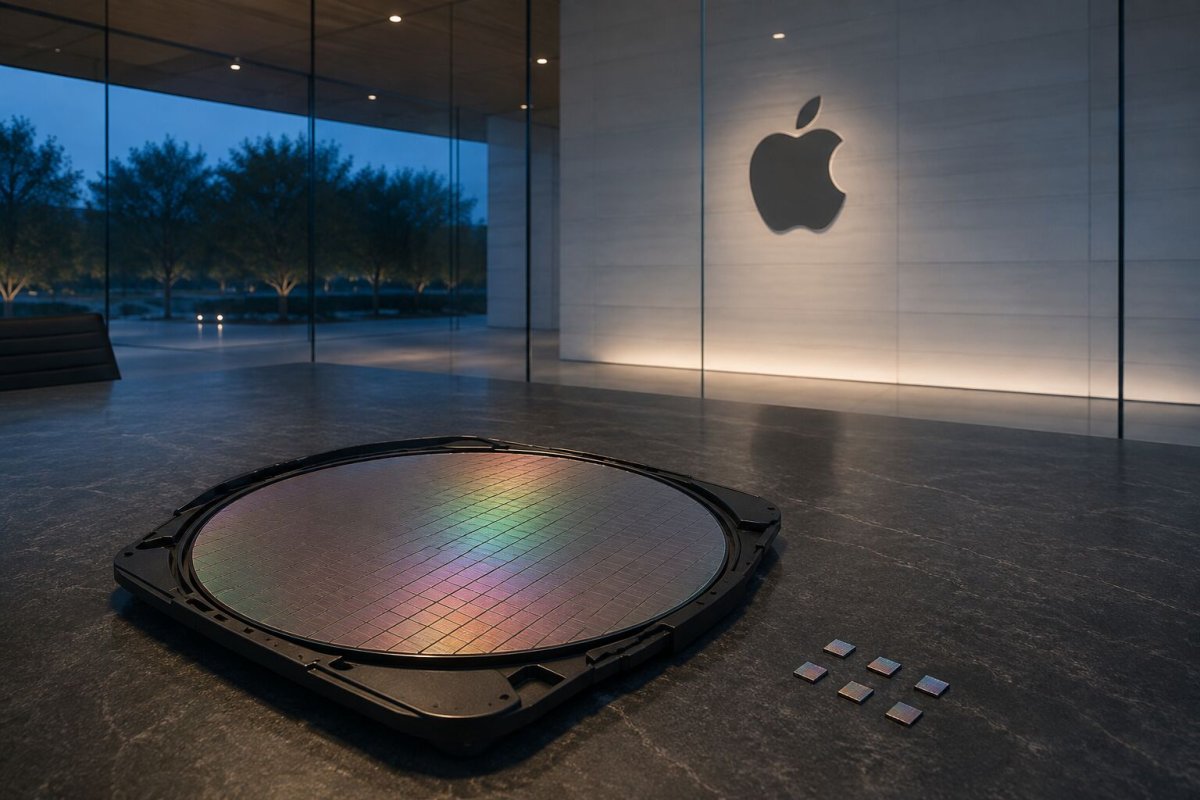
The report, published by South Korea's Economy Tribune on September 7, cites a Citi research note indicating that Apple has signed a long-term NAND contract, with Japan's Kioxia Holdings Corporation (TYO:285A) as the likely supplier. Specific terms—including counterparty, volume, and pricing—remain undisclosed. Industry speculation suggests a three-to-five-year agreement without a price cap, as summarized by TrendForce News. As of Monday morning, neither Apple nor Kioxia had officially confirmed the deal.
The distinction between securing supply and locking in costs is crucial for shareholders. A purchase commitment can ensure access to scarce flash memory, but an open-ended pricing formula would leave Apple vulnerable to supplier price increases. With the Nasdaq closed for Labor Day, there was no immediate market reaction; Apple shares closed Friday at $319.97, down 2.51% from the previous session.
Supply Security vs. Cost Certainty
The reported agreement addresses availability but leaves the economic details unclear. While the contract could provide Apple with better allocation visibility and reduce the risk of empty channels, it does not guarantee a fixed cost advantage. Kioxia, on the other hand, would retain exposure to a firm NAND market, potentially benefiting from rising prices.
TrendForce estimated on September 3 that memory costs for a 256GB iPhone 18 Pro could surge nearly 400% year-over-year. This estimate covers memory only, not the entire bill of materials, and no absolute dollar figure was provided. The percentage alone cannot determine how much Apple must raise retail prices to offset the increase. TrendForce expects new Pro models to cost consumers 10% to 20% more, with Apple absorbing part of the hike.
Pro Model Concentration Amplifies Risk
Apple's reliance on Pro models adds to the stakes. In the quarter ended June 27, iPhone revenue reached $54.252 billion, up 22% year-over-year, driven mainly by higher Pro-model sales. The iPhone accounted for 49.6% of Apple's $109.417 billion in quarterly net sales, according to its June-quarter Form 10-Q. This concentration means any pricing misstep could have outsized effects on overall performance.
Apple's product gross margin stood at approximately 40.1% during the same period, providing a cushion, but a several-fold increase in a key component cannot be ignored. The bigger challenge lies on the demand side: higher starting prices could preserve per-device revenue but shrink the addressable market. While strong Pro demand buoyed the last quarter, it offers no guarantee for the next cycle.
September 9 Event to Test Pricing Power
Apple has scheduled a special event for September 9 at 10 a.m. PDT, though it has not disclosed the products. TrendForce expects the iPhone 18 Pro generation to launch this fall, with the standard model possibly arriving in early 2027. Storage tiers and list prices will provide the first measurable check on Apple's pricing strategy, and availability dates could indicate whether sufficient memory has been secured for launch volumes.
However, none of these public signals will confirm the contract's confidential price formula. The reported NAND agreement, if confirmed, strengthens Apple's supply-side position, but margin protection depends on undisclosed terms and the company's ability to pass costs through to consumers. The upcoming event can gauge pricing power, but only future earnings reports will reveal the true margin impact.