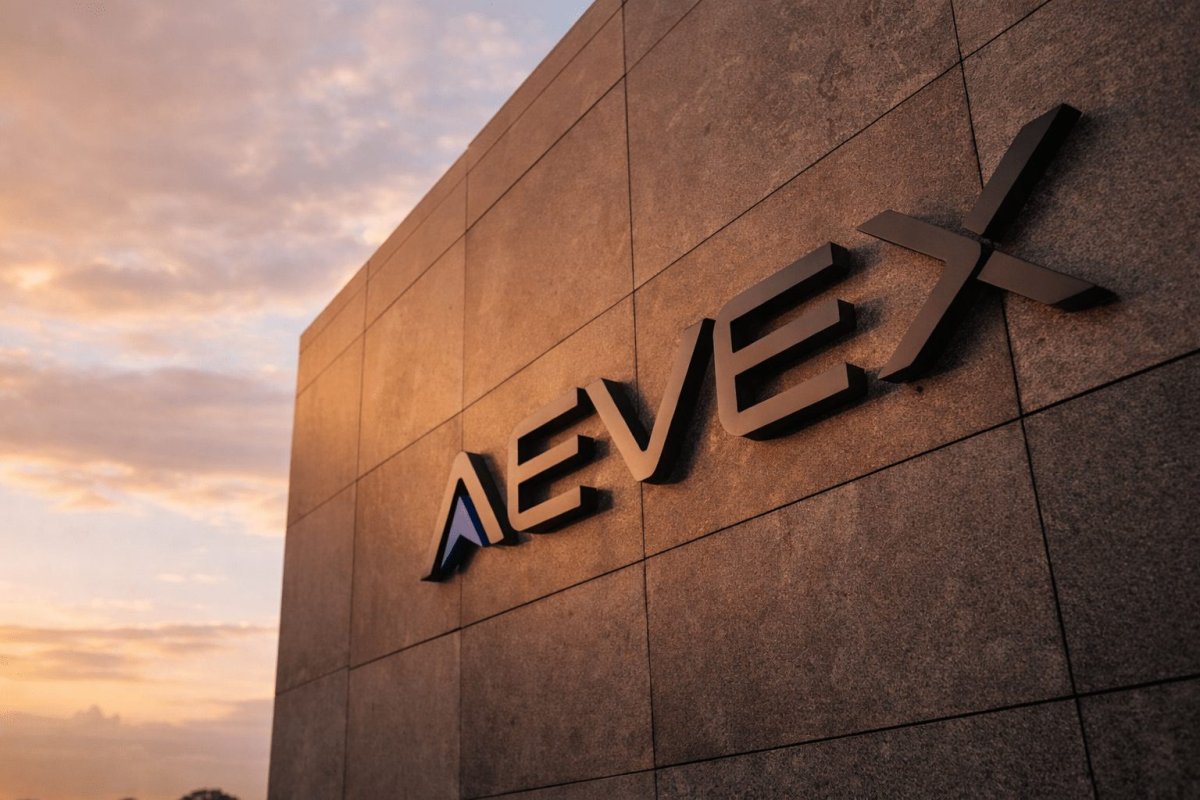
AEVEX Corp., a Solana Beach-based defense technology company specializing in unmanned aircraft systems, made a powerful entrance onto the New York Stock Exchange on Friday, April 18, 2026. The company's shares concluded their debut session at $26.93, representing a substantial 35% premium over its initial public offering price of $20 per share.
IPO Details and Financial Backing
The company successfully sold 16 million Class A shares at the $20 target, generating gross proceeds of $320 million. This pricing fell within the previously indicated range of $18 to $21 per share. Underwriters for the deal, led by Goldman Sachs, BofA Securities, and Jefferies, have been granted a 30-day option to purchase up to an additional 2.4 million shares. The offering is scheduled for final settlement on April 20, subject to standard closing conditions. Other financial institutions on the underwriting syndicate included J.P. Morgan, RBC Capital Markets, Baird, William Blair, Raymond James, and Needham & Co.
Strong Financial Momentum
Investor enthusiasm appears closely tied to AEVEX's rapidly accelerating financial performance. In a recent filing, the company provided preliminary estimates for the first quarter, projecting revenue between $200 million and $208 million. This marks a dramatic increase from the $53.3 million reported in the same period a year ago. The company also anticipates swinging to a net income of $19 million to $22.5 million, reversing a net loss of $27.3 million in the prior-year quarter. For the full year 2025, AEVEX reported revenue of $432.9 million, though it ended the year with a net loss of $16.8 million.
The growth is largely attributed to its Tactical Systems segment, which focuses on designing and manufacturing autonomous defense systems and accounted for 74.4% of 2025 revenue. The company also cited momentum from programs like the EUCOM AOR Deep Strike initiative. As of the end of 2025, AEVEX's funded backlog stood at approximately $503 million.
Market Context and Strategic Positioning
The IPO arrives at a time of intense focus on military modernization, particularly in unmanned and autonomous systems. The widespread use of drones, loitering munitions, and other unmanned platforms in conflicts in Ukraine and the Middle East has catalyzed global defense spending in this sector. AEVEX operates across a spectrum of defense-tech services, including unmanned aircraft systems (UAS), sensor integration, aircraft modification, and intelligence, surveillance, and reconnaissance (ISR) capabilities.
Chief Executive Roger Wells directly linked the decision to go public to Pentagon priorities, telling Reuters that over $50 billion has been requested for unmanned autonomous systems, which aligns with the company's core offerings. According to industry publication Washington Technology, about 78% of AEVEX's 2025 sales were derived from U.S. government contracts, with 84% of its year-end funded backlog tied to the U.S. government.
Risks and Competitive Landscape
While this government focus is a key driver, it also represents a significant concentration risk. The company's revenue trajectory is susceptible to federal budget standoffs, program delays, funding cuts, or outright cancellations. AEVEX enters the public markets alongside other unmanned-systems players like KTOS (Kratos Defense & Security Solutions) and AVAV (AeroVironment). It also competes for military contracts with privately held defense-tech firms such as Anduril Industries and Shield AI.
The challenge for AEVEX now shifts from a successful market debut to execution. The company must demonstrate its ability to convert the current surge in wartime demand into consistent, profitable growth quarter after quarter, navigating the inherent uncertainties of defense contracting while delivering for its new public shareholders.