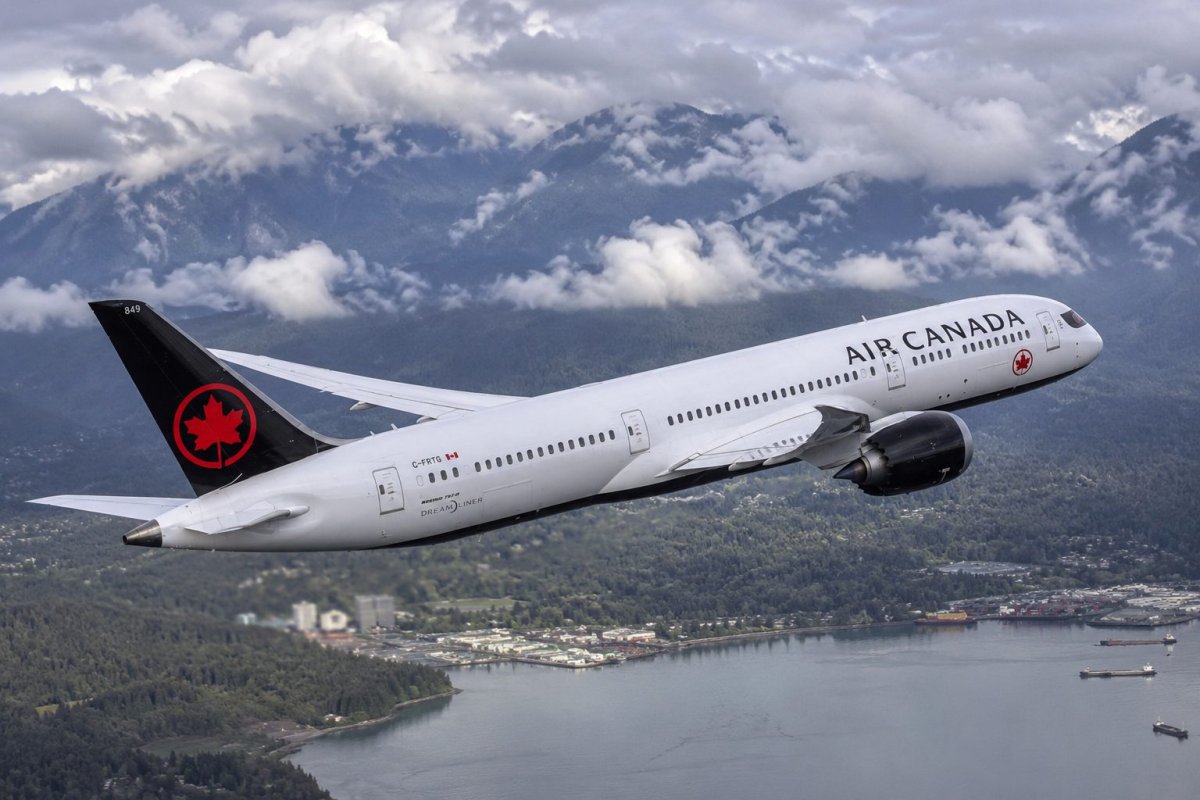
Air Canada has announced the early termination of four seasonal U.S. routes for the summer season, attributing the decision to soaring jet fuel prices. The affected routes include flights from Vancouver to Raleigh, Toronto to Sacramento, Toronto to Charleston, and Montreal to Austin. These services will be discontinued on July 29, August 1, September 6, and September 7, respectively, with plans to resume them in summer 2027.
The airline had previously flagged the impact of rising fuel costs, which have more than doubled since the onset of the Iran conflict. In March, major U.S. carriers collectively spent over $5 billion on jet fuel, a 56% increase from February, according to U.S. Transportation Department data. Air Canada withdrew its 2026 financial outlook on April 30, citing uncertainty around fuel prices for the latter half of the year.
For the first quarter, Air Canada reported revenue of C$5.785 billion. The company expects adjusted EBITDA for the second quarter to range between C$575 million and C$725 million, assuming jet fuel costs average approximately C$1.28 per liter, including hedging gains. Chief Executive Michael Rousseau noted that the rapid fuel price escalation is testing demand resilience across the aviation industry, and the airline can only recover about 50% to 60% of higher second-quarter fuel costs through fare adjustments, fees, and route changes.
The route cuts are part of a broader cost-saving move. In April, Air Canada reduced flights on several other routes, including Toronto and Montreal to New York's JFK, Toronto to Salt Lake City, Fort McMurray to Vancouver, Yellowknife to Toronto, and Montreal to Algiers. The Sacramento route, which launched in summer 2023 and typically operated from June to early October, will lose its nonstop Toronto service, though Vancouver flights remain. Delta Air Lines also pulled its Sacramento-Detroit route, shelving it until March 2027, though Delta did not cite fuel costs as the reason.
The fuel squeeze is not confined to Canada. British Airways parent IAG cut its outlook on Friday, citing softer profit and weaker cash flow. Alaska Air announced plans to raise $500 million in new debt to maintain liquidity as fuel costs erode margins. J.P. Morgan analyst Harry Gowers expects IAG's free cash flow to remain intact, but the overall airline sector faces headwinds.
Looking ahead, Air Canada warned that if the Middle East conflict persists or escalates, energy markets could face further disruption, keeping jet fuel prices elevated or pushing them higher. The airline is testing how much capacity it can reduce without losing ground to competitors or undermining its U.S. network plans for next year.
