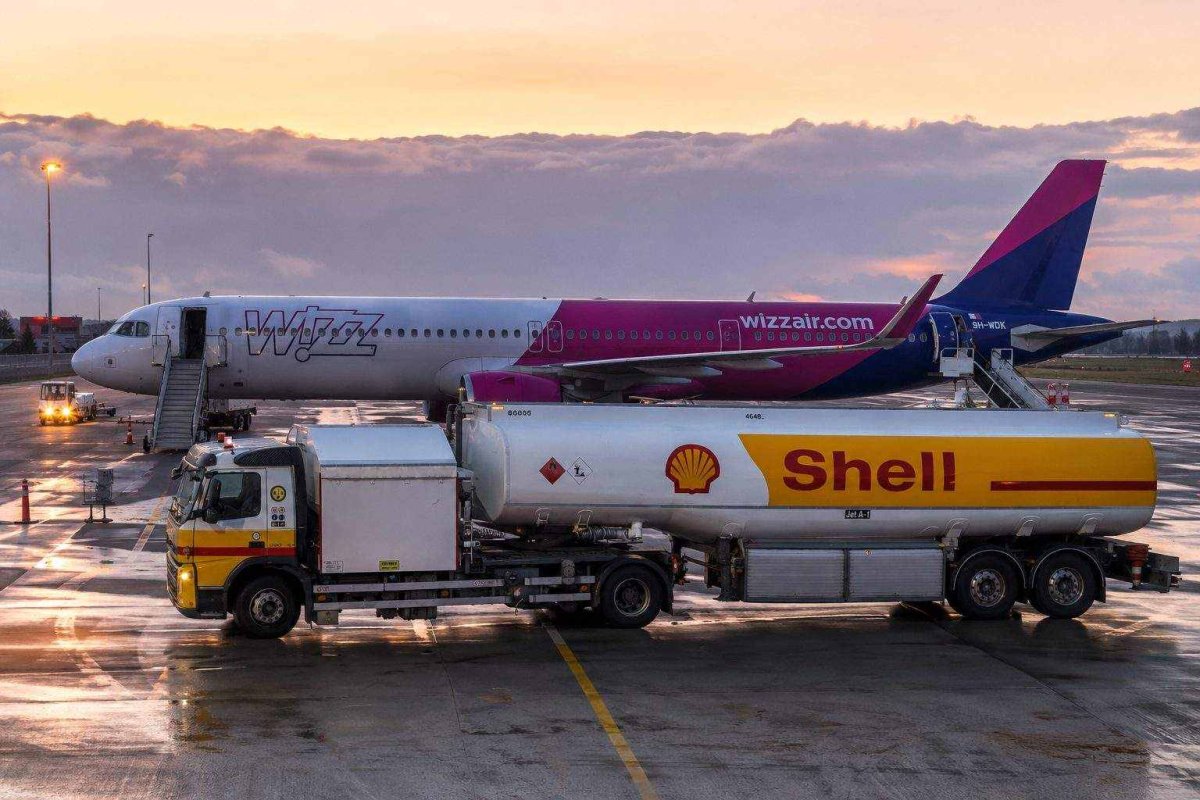
Swiss International Air Lines has revealed that its jet fuel stockpile will last approximately six weeks, prompting the carrier to develop emergency refueling strategies as supply concerns shift from financial pressure to operational challenges ahead of the summer travel season. CEO Jens Fehlinger indicated that supplier outlooks remain positive for now, but both SWISS and its parent company Lufthansa are evaluating contingency measures such as tankering—transporting extra fuel from well-supplied airports—and additional refueling stops to mitigate potential disruptions, according to Reuters.
Reserves at Critical Levels
The timing of the crunch is particularly concerning. While airlines have not yet canceled flights due to fuel availability, Goldman Sachs has warned that European jet fuel reserves are approaching dangerously low levels, as reported by the Financial Times. This could force carriers to make difficult decisions about which routes to prioritize as fuel costs escalate.
Data from Cirium, cited by the Guardian, shows that airlines have already removed approximately 2 million seats from their May schedules, equivalent to about 13,000 flights. Although this represents less than 2% of global aviation capacity, the reductions are hitting at a critical time when carriers typically fill more lucrative summer seats.
Financial Impact on Major Carriers
International Airlines Group (IAG), the parent company of British Airways, is facing a fuel bill of roughly 9 billion euros for 2026, with 70% of its fuel needs hedged to stabilize costs. The company aims to offset about 60% of the increased fuel expenses through higher revenue and other cost-saving measures. CEO Luis Gallego stated that IAG does not anticipate fuel supply issues in its key markets.
Despite these efforts, IAG's shares fell nearly 3% in recent trading after the company warned that profit, cash flow, and capacity would fall short of its previous outlook. However, J.P. Morgan analyst Harry Gowers noted that IAG's strong free cash flow generation should provide a buffer.
Regulatory and Industry Responses
The European Union has taken steps to ease the situation by informing airports and airlines that Jet A fuel, typically used in the United States, can be utilized provided the transition is managed correctly. Jet A-1 remains the standard in Europe due to its reliability in cold conditions and long-haul flights.
Different carriers are adopting varied strategies. Lufthansa is relying on fare adjustments, network optimization, and cost-cutting to offset a 1.7 billion euro increase in jet-fuel costs. Air France-KLM, facing a $2.4 billion rise in its fuel bill, is making a smaller capacity reduction than some analysts expected. Bernstein analyst Alex Irving attributed this to the ongoing strong earnings environment and high travel demand.
U.S. Market Pressures
In the United States, airlines spent over $5 billion on jet fuel in March, a surge of $1.8 billion or 56% compared to February, according to the U.S. Transportation Department. This has led carriers to raise fares, increase baggage fees, and trim certain routes.
While France's transport minister does not anticipate widespread flight cancellations this summer, airlines are flagging potential shortages in the coming weeks. European officials are mobilizing support as the region relies on jet-fuel imports from the Middle East.
Passenger Impact
Travelers will primarily feel the effects through higher ticket prices on popular routes, fewer discounts, additional fees, and targeted flight reductions rather than a complete halt in service. Airlines that have locked in fuel prices, maintain stronger financial positions, or control their own fuel supply are better positioned to weather the pressure, while those with thinner margins may need to act more swiftly.