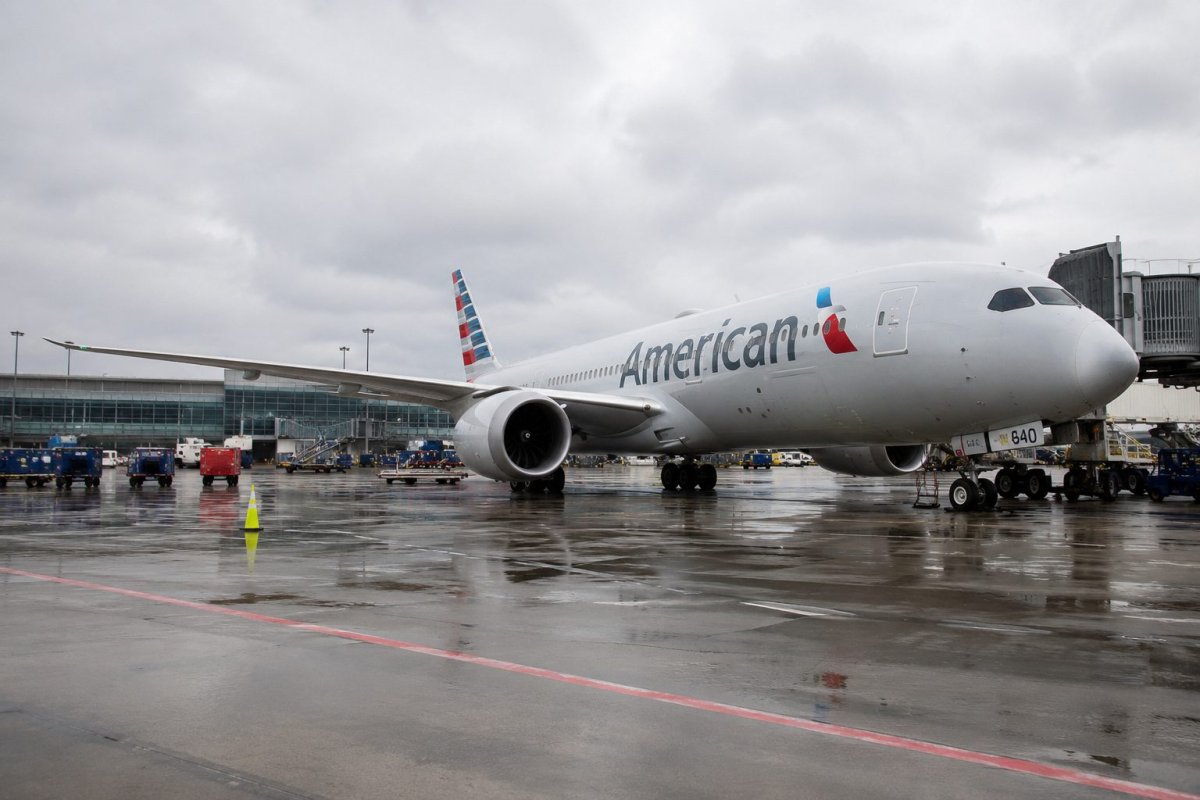
American Airlines Group (NASDAQ: AAL) shares climbed 1.8% to $17.87 in pre-market trading on Monday, outperforming its major competitors as a sharp decline in oil prices provided significant relief on fuel costs, a critical expense for the heavily indebted carrier. The gain outpaced United Airlines (NASDAQ: UAL), which rose 1.1%, Delta Air Lines (NYSE: DAL), up 0.5%, and Southwest Airlines (NYSE: LUV), which edged down 0.4%.
Fuel Cost Tailwind
The primary catalyst for American's stock move is the dramatic drop in crude oil prices. Brent crude fell to approximately $72.20 per barrel early Monday, marking a 22% decline for the month of June. This slide followed news that the United States and Iran had agreed to halt recent hostilities and resume talks, easing geopolitical tensions that had previously driven oil prices higher. The decline in crude has pulled jet fuel prices down from over $170 per barrel to $119.17 in the week ending June 19, according to Reuters data. For an airline with $34.7 billion in total debt—about 2.9 times its current equity value—lower fuel costs have an outsized impact on profitability and share price sensitivity.
Record Holiday Travel
Demand for air travel remains robust, with the Transportation Security Administration (TSA) projecting nearly 18.7 million travelers will pass through U.S. airport checkpoints between June 30 and July 6. The peak day is expected to be July 2, with more than 3 million screenings. This record-level travel forecast supports airline revenue, but American's capacity growth is more modest compared to peers. OAG data shows American's June flight frequency rose 2.4% year-over-year, trailing United's 5.1% increase, while Delta was nearly flat at 0.2%. Overall North American capacity fell 1.2% year-over-year, partly due to the collapse of Spirit Airlines, which could help support fares by reducing low-fare competition.
Balance Sheet Risks
American's high leverage makes its stock particularly sensitive to changes in fuel prices and unit revenue. The company's $34.7 billion debt load, while at its lowest since mid-2015, remains 2.9 times its current market capitalization of $11.8 billion. This financial structure means that equity investors are effectively making a leveraged bet on revenue per seat and fuel costs, rather than simply on load factors. Morningstar analyst Nicolas Owens noted that sudden fuel price moves can shift airline profitability in the opposite direction, as many tickets are already sold. UBS analysts echoed this, suggesting that if fuel prices continue to moderate, third-quarter airline earnings could beat Wall Street estimates.
Guidance and Outlook
Despite the positive near-term tailwinds, American's own financial guidance leaves little room for error. The company projects full-year adjusted earnings ranging from a loss of $0.40 per share to a profit of $1.10 per share, even after accounting for over $4 billion in additional jet fuel expenses. Second-quarter adjusted EPS is expected to be between a loss of $0.20 and a profit of $0.20. CEO Robert Isom reiterated at a Bernstein investor conference in May that the company is not altering its 2026 outlook despite higher fuel costs, citing a 13% year-over-year increase in corporate travel and a 15% rise in second-quarter revenue.
Market Context
The broader market also provided support, with U.S. stock index futures rising early Monday. Nasdaq 100 futures gained 1.02% and S&P 500 futures added 0.68% by 5:00 a.m. ET. Kyle Rodda, senior financial market analyst at Capital.com, noted that the U.S.-Iran developments were supporting hopes for a diplomatic resolution, which could further stabilize oil markets and benefit airlines.
Conclusion
American Airlines is currently benefiting from a confluence of lower fuel costs and strong holiday travel demand, but its high debt levels and narrow earnings guidance mean that any reversal in oil prices or softening in demand could quickly erode these gains. Investors will be closely watching the July 4 travel data and fuel price trends in the coming weeks for further signals on the stock's direction.